Iraqi Government Condemns US-Saudi Airstrikes on PMF, Raises Sovereignty Concerns
US-Saudi strikes on PMF — The Iraqi government has publicly condemned a series of airstrikes reportedly conducted by the United States and Saudi Arabia against the Popular Mobilization Forces (PMF), asserting that these operations were executed without the knowledge or consent of Baghdad. This assertion has sparked significant debate regarding Iraq’s sovereignty and the complexities of foreign military interventions in the region.
The PMF is an umbrella organization primarily composed of Shia militias, established in 2014 to combat the rise of the Islamic State (ISIS) in Iraq. Over the years, the PMF has evolved into a formidable political and military entity, playing a crucial role in the fight against ISIS. While the Iraqi government officially recognizes the PMF, its factions operate with varying degrees of autonomy, creating a complex relationship that reflects the broader sectarian and political dynamics within Iraq. This intricacy is further exacerbated by the PMF’s ties to Iran, which has historically supported many of the militias within the group.
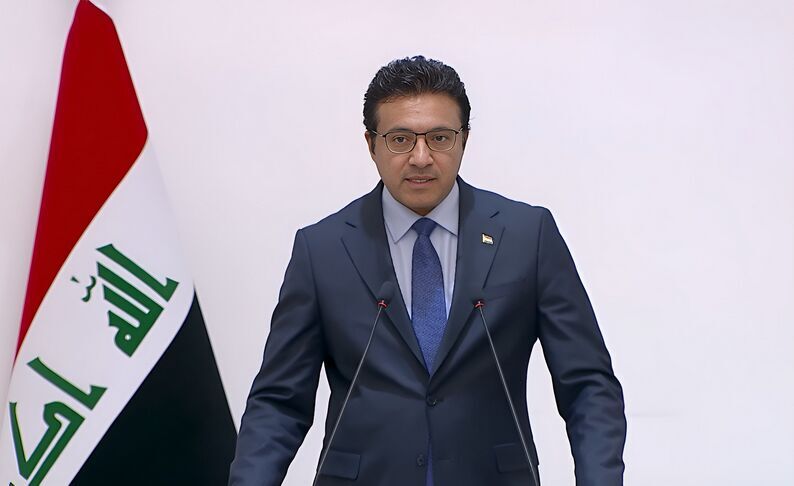
The spokesperson for the Iraqi government highlighted that the recent strikes were carried out without any prior consultation, a move that raises alarms about the erosion of Iraq’s sovereignty in the face of foreign military actions. This incident underscores the persistent challenges faced by Iraqi authorities as they strive to assert control over their territory while navigating the interests of external powers. Both the United States and Saudi Arabia have significant stakes in the region, particularly in their efforts to counter Iranian influence, which they perceive as a destabilizing force in Iraq and beyond.
The airstrikes have drawn attention at a time when Iraq is still grappling with the aftermath of the ISIS conflict and the need for political stability. The presence of US military forces in Iraq is officially framed as a mission to assist Iraqi security forces in combating remnants of ISIS. However, the involvement of Saudi Arabia, which has been increasingly active in Iraq, reflects its strategic aim to curb Iran’s growing influence, particularly among the Shia population that constitutes a significant part of Iraq’s demographic landscape.
As the Iraqi government navigates this precarious situation, it faces the daunting task of balancing its relationships with both the United States and Saudi Arabia, while simultaneously managing its ties with Iran. This delicate balancing act is further complicated by the internal political landscape, where various factions within Iraq have differing views on foreign influence and military presence. The PMF’s connection to Iran adds another layer of complexity, as these militias often operate independently and may not align with the Iraqi government’s official stance.
The Iraqi government’s strong condemnation of the airstrikes signals a potential shift in its approach to foreign military operations within its borders. It raises critical questions about the future of US-Saudi cooperation in Iraq and the extent to which Baghdad will tolerate actions perceived as violations of its sovereignty. Observers are keenly watching how the Iraqi leadership will respond to this incident, particularly in light of the broader regional implications it may have for stability and security.
As the situation evolves, the Iraqi government’s response could set a precedent for how foreign military engagements are conducted in the country. The potential for increased tensions between Iraq and its foreign partners looms large, highlighting the ongoing struggle for autonomy in a region marked by competing interests and geopolitical rivalries. The ramifications of this incident may resonate beyond Iraq, influencing the dynamics of power and influence in the broader Middle East as nations reassess their strategies in light of shifting alliances and the quest for stability.