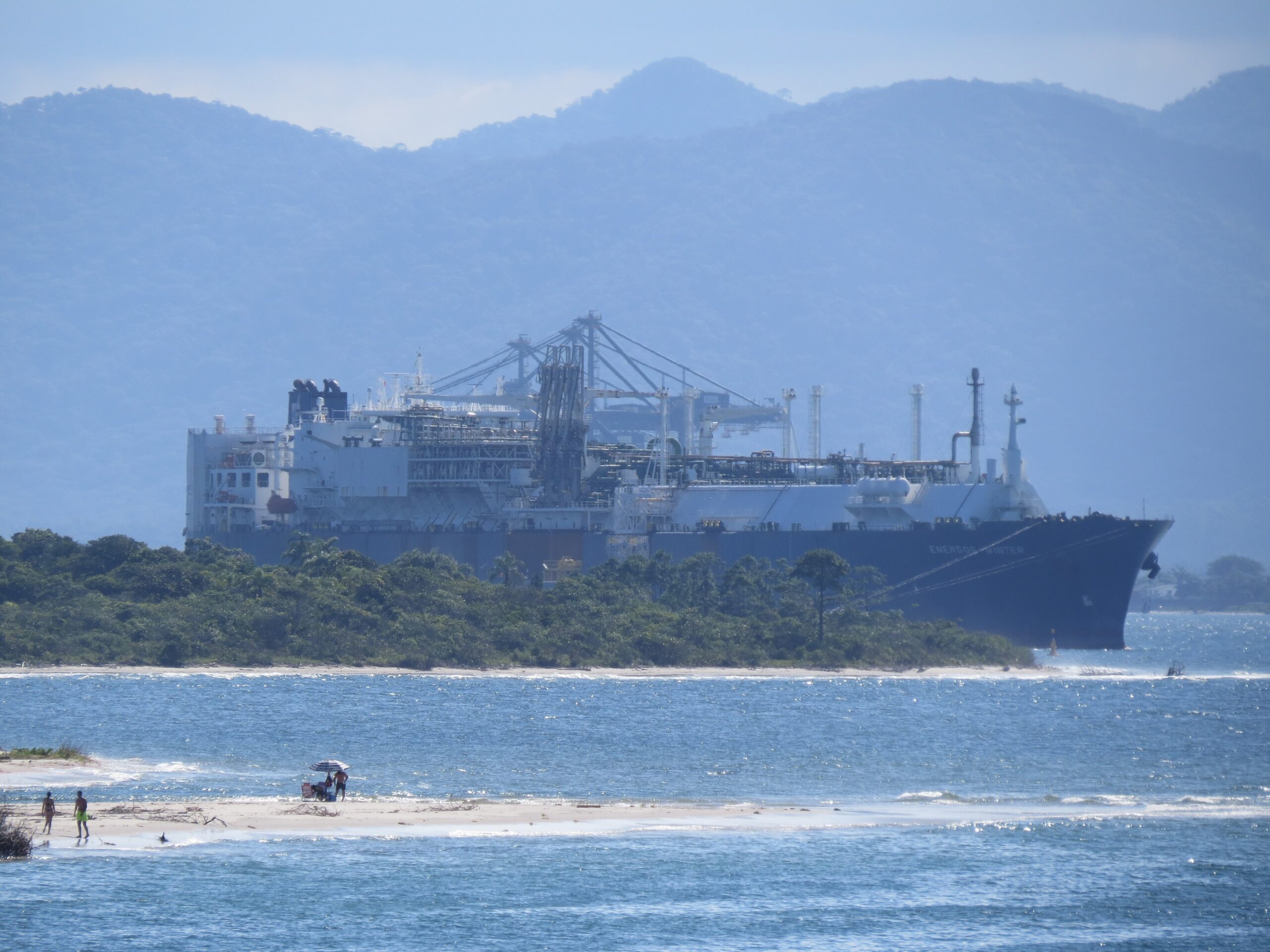
Tanker Incidents Highlight Rising Tensions in Gulf Region
US Iran tensions — A tanker was struck by an unknown projectile off the coast of Oman on the night of July 31, 2026, as tensions escalate between the United States and Iran. The British maritime agency UKMTO reported that the incident occurred approximately 11 nautical miles northeast of Lima, Oman. Although the attack damaged the vessel’s engine room, there were no casualties or environmental impact reported, reflecting a narrow escape from a potentially more disastrous outcome.
In a separate incident early on August 1, another tanker reported a significant explosion and a column of water near its location, about 21 nautical miles northeast of Khasab, Oman. Thankfully, that vessel sustained no damage, and no injuries were reported. However, the Kuwaiti military later announced that its air defenses intercepted hostile Iranian missiles, further indicating the rising stakes in the region. This interception is particularly notable, as it underscores the volatile security environment in the Gulf, where maritime routes are crucial for global oil supply and trade.
These maritime incidents occurred just hours after CBS News revealed that the United States and Israel are preparing for a substantial military operation targeting Iran’s energy infrastructure, potentially set to occur over the weekend. Sources suggest that the strikes could be executed before the financial markets open on Monday, August 3, although no definitive timeline has been established. The planned operation reflects a significant escalation in the ongoing conflict, as both nations seek to counter Iran’s influence and nuclear ambitions in the region.
Reports indicate that Israel has been informed of the plans and is coordinating closely with the United States. President Donald Trump has allegedly ordered these attacks, following weeks of threats directed at Iranian nuclear facilities and infrastructure. This military posturing comes amid a backdrop of heightened rhetoric from both sides, raising fears of a broader conflict that could engulf the region. Analysts express concern that such an offensive could be classified as a war crime, given its potential impact on civilian infrastructure, which is often intertwined with military targets in urban and industrial areas.
Despite the escalating rhetoric, Trump has also suggested that a diplomatic agreement with Iran remains possible. This dual approach of military threats alongside negotiations illustrates the complex dynamics at play in US-Iran relations. The Trump administration’s strategy appears to be one of deterrence through military readiness while leaving the door open for dialogue, a tactic that reflects the unpredictable nature of Middle Eastern geopolitics.
The international community is watching closely as the situation develops, aware that any military action could have far-reaching consequences in the already volatile Middle East. The Gulf region, particularly around the Strait of Hormuz, is a critical chokepoint for global oil shipments, and any disruption could lead to significant economic repercussions worldwide. Furthermore, the potential for miscalculation or unintended escalation remains high, as various state and non-state actors operate in the region, each with their own agendas.
As the weekend approaches, the focus will be not only on the potential military actions but also on the reactions from Iran and its allies, which could include retaliatory strikes or asymmetric warfare tactics. The broader implications of these incidents and planned military operations could reshape the landscape of US-Iran relations and influence the security dynamics of the Middle East for years to come.