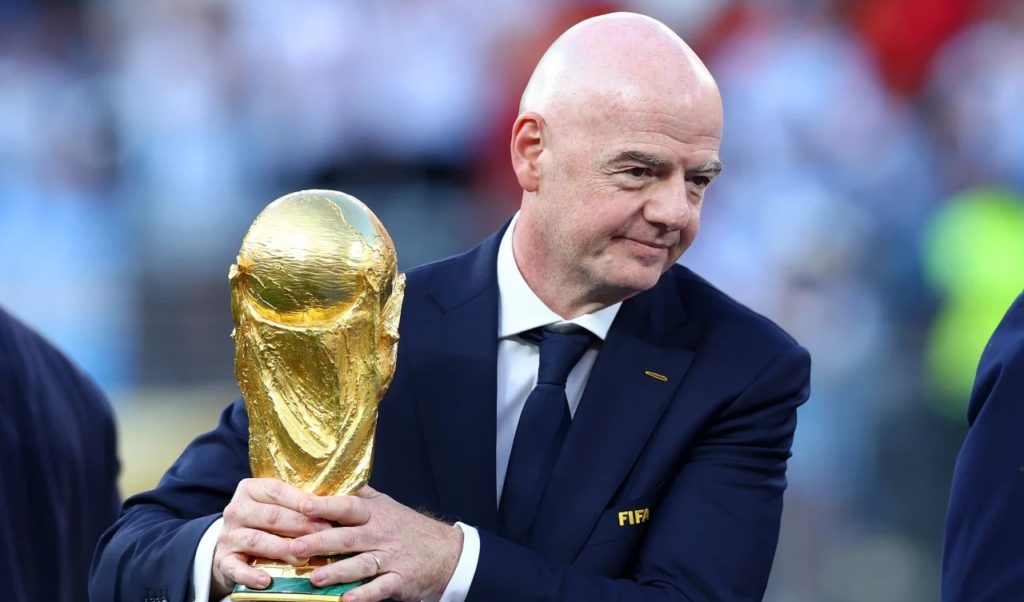
UEFA Takes Firm Stand Against FIFA’s Private Investment Plans
UEFA boycott FIFA World Cups — The Union of European Football Associations (UEFA) has taken a bold stance by unanimously voting to boycott the upcoming men’s and women’s FIFA World Cups. This unprecedented decision is a direct reaction to FIFA’s controversial initiative to permit private investments in its competitions, a move that UEFA officials assert poses a significant threat to the integrity of football. The ramifications of this decision, if implemented, could lead to a dramatic shift in the landscape of international football.
Reported by multiple outlets, including CNN, the decision signifies a historic escalation in the ongoing tensions between UEFA, which oversees European football, and FIFA, the global governing body responsible for the sport’s international regulations and tournaments. The friction stems from FIFA’s proposal to open select competitions to private investment, which UEFA believes could undermine the core values and governance of the sport. This proposal has ignited a fierce debate within the football community, as many stakeholders express concerns over the potential commercialization of a game that has long been celebrated for its traditions and values.
UEFA’s unanimous vote highlights the deep-seated apprehension among European football associations regarding the long-term consequences of allowing private capital to influence the sport. Officials within UEFA have voiced fears that such changes might shift the focus from the sport’s foundational principles—such as fair play, community involvement, and the spirit of competition—toward a profit-driven model. This shift could fundamentally alter the way football is played and experienced, both on and off the pitch.
If the boycott proceeds, European teams would be barred from competing in the World Cups set for 2030. This would not only affect the national teams and their players but would also have significant repercussions for the tournaments themselves. Given Europe’s dominant role in global football, the absence of its teams could lead to a substantial decline in viewership and financial success for the World Cups, potentially altering the economic landscape of international football.
FIFA’s push for private investment has drawn widespread criticism from a variety of stakeholders, including clubs, players, and fans. Many have raised alarms about the implications of prioritizing commercial interests over the sport’s integrity. UEFA’s decision to boycott the World Cups is perceived as a pivotal moment that could redefine the relationship between national football associations and global governing bodies. The unity displayed by UEFA signals a collective resolve among European football leaders to protect the sport’s values in the face of increasing commercial pressures.
As this situation continues to develop, the implications of UEFA’s decision could extend far beyond the immediate boycott. It raises critical questions about the future governance of football and the role of private investment in a sport that has traditionally been rooted in community and competition. The balance between commercial interests and the integrity of the game is now under scrutiny, and the outcome of this conflict could set precedents for how football is managed globally.
The unfolding crisis also highlights the complexities of football governance in an era where financial power increasingly dictates the direction of the sport. UEFA’s stance can be seen not only as a defense of its own interests but also as a broader call to safeguard the principles that have defined football for generations. The coming months will be crucial as both UEFA and FIFA navigate this turbulent landscape, with the future of the World Cups and the sport itself hanging in the balance.