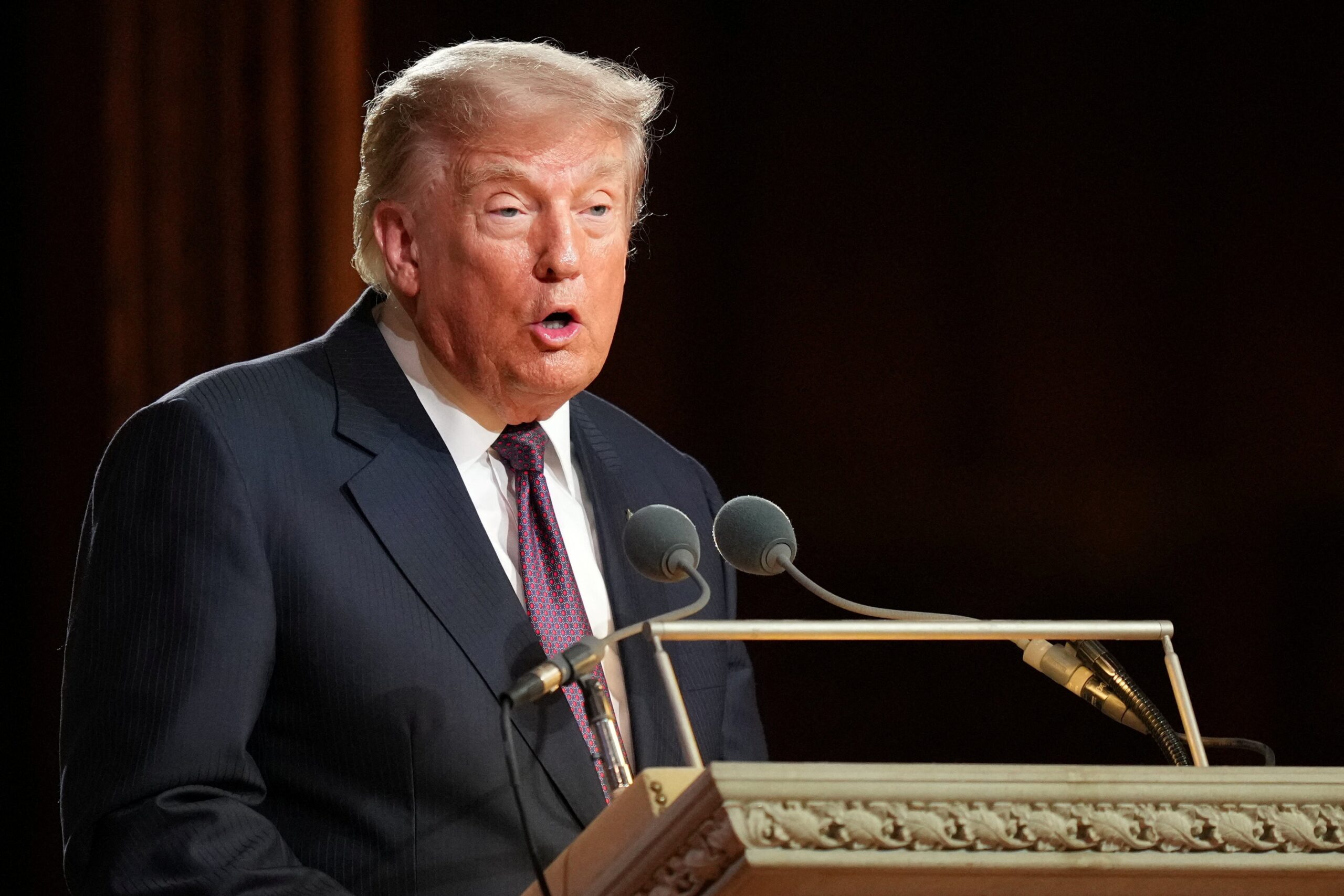
Trump’s Third-Term Aspirations Challenge Constitutional Norms
Trump third presidential run — Former President Donald Trump has once again stirred the political waters by hinting at the possibility of a third presidential run, despite the clear constitutional limitations that prohibit such an ambition in the United States. On August 1, 2026, Trump utilized his social media platform, Truth Social, to unveil an AI-generated poster adorned with the phrase “Trump 2028,” which directly references the upcoming presidential elections scheduled for that year. This provocative move has reignited discussions not only about Trump’s political future but also about the dynamics within the Republican Party and the broader implications for American democracy.
The U.S. Constitution’s 22nd Amendment explicitly limits individuals to two terms in the presidency, a safeguard instituted in the aftermath of Franklin D. Roosevelt’s unprecedented four-term election during a period of national crisis that included the Great Depression and World War II. This amendment was designed to prevent any individual from consolidating too much power over an extended period. Nonetheless, Trump’s recent statements and the accompanying promotional material have resonated deeply with a substantial segment of his base, who continue to express unwavering loyalty to him.
Trump’s ability to capture attention and provoke debate underscores the ongoing divisions within American politics, particularly among Republican voters. Many within the party find themselves caught between traditional conservative values and Trump’s distinctive populist approach, which has transformed the political landscape since he first announced his candidacy in 2015. The AI-generated poster not only symbolizes a personal campaign but also reflects a broader movement among Trump supporters who envision a future where he could potentially reclaim the presidency. This vision, however unrealistic given current constitutional constraints, serves to galvanize his supporters and keep his political brand relevant.
The reactions to Trump’s hints at a 2028 candidacy highlight the complex interplay between ambition and legality in American electoral politics. While some political analysts dismiss his comments as mere theatrics, others argue that they signify a deeper discontent within the Republican Party regarding its leadership and direction. Figures like Trump continue to challenge established norms, prompting discussions about the future of American democracy and the party’s identity. This ongoing tension is evident as established Republican leaders attempt to navigate the shifting allegiances of their constituents, many of whom remain captivated by Trump’s rhetoric.
As the political landscape evolves, the prospect of a third-party candidacy—while constitutionally unfeasible—raises critical questions about electoral integrity and adherence to constitutional guidelines. Trump’s symbolic maneuvering may not lead to an actual campaign, yet it undeniably serves to energize his supporters and keep his political narrative alive against a backdrop of increasing polarization in the United States. The implications of his statements extend beyond mere speculation, as they provoke critical conversations about the future trajectory of the Republican Party and the potential ramifications for the electoral process as a whole.
In the coming months, political analysts and party strategists will closely monitor Trump’s influence and the responses from both his supporters and detractors. As the 2028 elections draw nearer, the Republican Party will face significant challenges in reconciling its traditional values with the populist sentiments that Trump embodies. The unfolding narrative surrounding Trump’s aspirations for a third term will likely remain a focal point of American political discourse, highlighting the complexities of a party in transition and the enduring significance of constitutional principles in shaping the contours of political ambition.