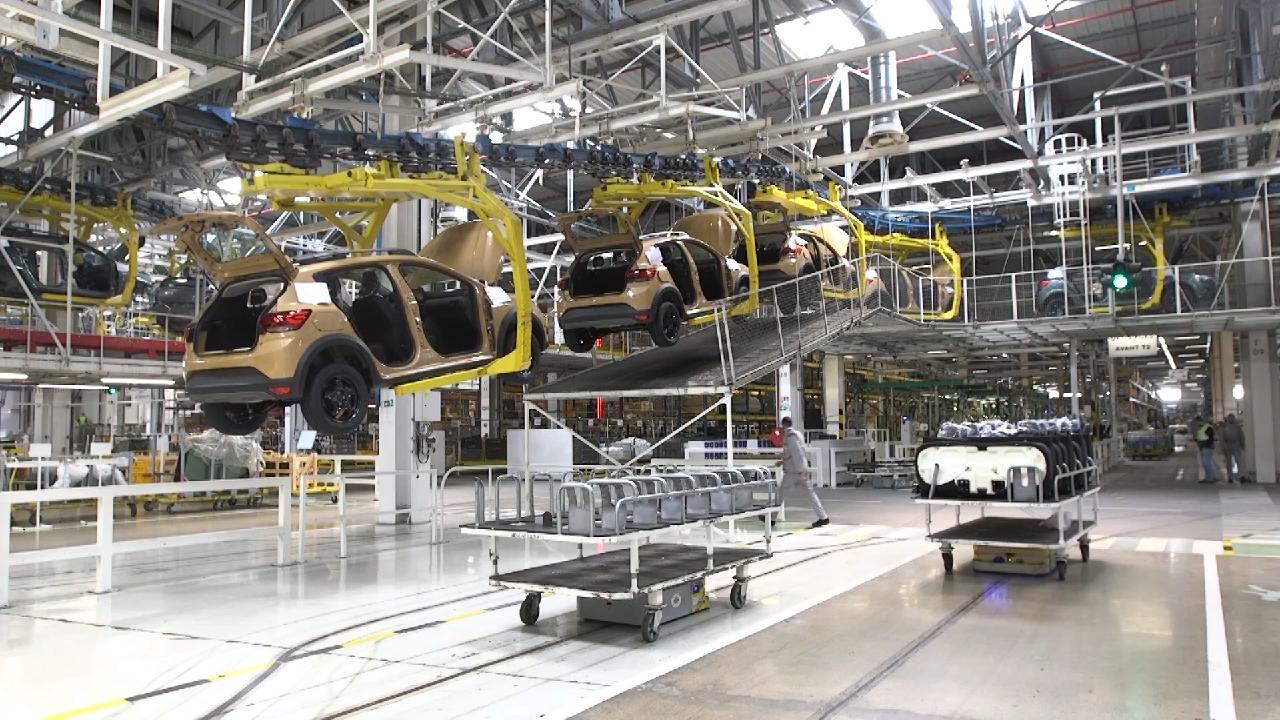
Toyota’s Strategic Shift: Production Moves from Mexico to Texas by 2030
Toyota production shift to Texas — Toyota Motor Corporation has announced a significant realignment of its production strategy, with plans to relocate manufacturing operations from its Tijuana facility in Mexico to a new plant in Texas by the year 2030. This decision is influenced by ongoing uncertainties surrounding the U.S.-Mexico-Canada Agreement (USMCA), which has raised concerns regarding trade relations and potential tariffs that could impact the automotive sector. The USMCA, which replaced the North American Free Trade Agreement (NAFTA), aims to establish fairer trade practices among the three nations, but its future remains a point of contention.
The Mexican government is actively engaging with Toyota to address the potential ramifications of this transition on local workers. The automotive industry is a crucial component of Tijuana’s economy, providing thousands of jobs and supporting various ancillary businesses. Local officials have expressed a strong commitment to ensuring that the workforce is adequately supported during this shift, recognizing the importance of maintaining economic stability in the region. Tijuana has served as a vital manufacturing hub for Toyota, and the city’s officials are keen to mitigate the adverse effects of this move on employment and local businesses.
Despite the impending relocation, analysts have pointed out that Toyota will not completely sever ties with Mexico. The company will continue to operate its manufacturing facility in Guanajuato, which underscores that while production is shifting, Toyota is not entirely withdrawing from the Mexican market. This decision reflects the complexities of global manufacturing strategies, particularly in the automotive sector, where companies often seek to balance production costs with logistical efficiency. Moreover, investment in Tijuana’s electronics sector remains robust, indicating that the city still presents opportunities for growth and development in areas beyond automotive manufacturing.
This strategic shift is part of a broader global review of Toyota’s operations as the company adapts to changing economic conditions and aims to enhance its competitiveness in North America. The move to Texas aligns with a growing trend among manufacturers to consolidate operations closer to key markets, thereby reducing supply chain vulnerabilities that have been highlighted by recent global disruptions. By relocating production to Texas, Toyota may also benefit from a more favorable business environment, including potential tax incentives and access to a skilled labor pool.
The implications of this transition will be closely monitored, as they extend beyond the immediate impact on employment in Tijuana. The shift signals a notable change in production dynamics within the North American automotive sector, which has been grappling with the challenges of evolving trade policies and market demands. As the U.S. and Mexico navigate their economic relationship under the USMCA, the outcomes of such corporate decisions will likely influence future trade negotiations and policies.
As the automotive landscape continues to evolve, the response from both governments and local communities will be crucial in shaping the future of manufacturing in the region. Stakeholders are expected to keep a close eye on how this transition unfolds, particularly in terms of job retention and economic stability in Tijuana, as well as the broader implications for the U.S. automotive industry. The long-term effects of Toyota’s decision will not only impact the company’s operational strategy but also serve as a litmus test for other manufacturers considering similar moves in the face of shifting trade environments.