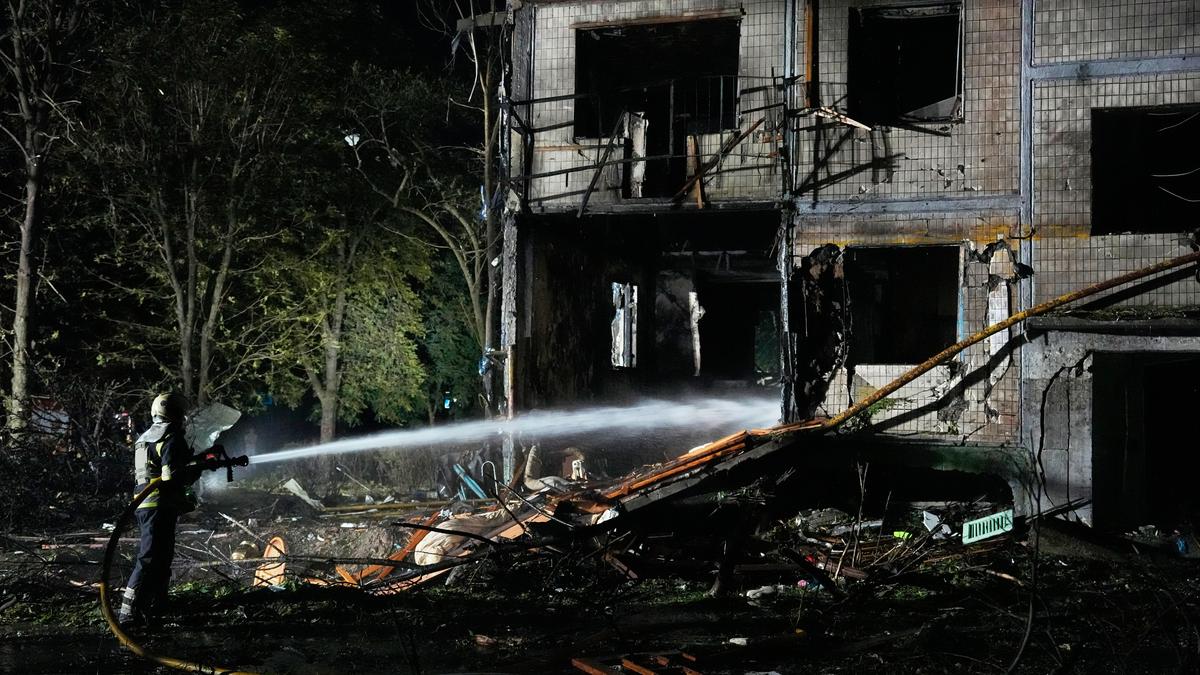
Kyiv Endures Renewed Assault as Russian Strikes Claim Lives
Russian attacks on Kyiv — On August 1, 2026, the Ukrainian capital of Kyiv faced a harrowing series of airstrikes carried out by Russian forces, leading to the tragic loss of four lives and leaving over a dozen individuals injured. Eyewitness accounts describe the scene as chaotic, with more than ten consecutive explosions echoing through the city, the intensity of which was sufficient to trigger car alarms across the streets. This latest wave of violence has heightened fears among residents, who have endured a relentless barrage since the onset of the conflict nearly four years ago.
The attacks underscore a grim reality in the ongoing war between Russia and Ukraine, which has escalated significantly since February 2026. Kyiv, as the capital and a symbolic heart of Ukraine, has found itself increasingly targeted by aerial assaults, raising serious concerns about the safety of civilians and the integrity of critical infrastructure. The psychological toll on the population, coupled with the physical dangers of such strikes, paints a dire picture of life in a city under siege.
Ukrainian officials were quick to condemn the strikes, characterizing them as indiscriminate acts of violence against civilian populations. Such attacks not only inflict immediate harm but also contribute to a growing sense of insecurity among residents. The Ukrainian government has reiterated its commitment to defend its sovereignty, calling for increased international support as it navigates this perilous phase of the conflict. The urgency of these calls is amplified by the backdrop of ongoing discussions among Western nations regarding military aid and support for Ukraine in the face of Russian aggression.
This recent assault comes at a time when diplomatic efforts to resolve the conflict appear increasingly strained. The international community has been vocal in its condemnation of Russia’s military tactics, with many advocating for stronger sanctions aimed at crippling the Kremlin’s capacity to wage war. The latest violence in Kyiv has reignited debates about the effectiveness of current measures and the need for more robust defensive strategies to protect Ukrainian citizens from further attacks.
As the humanitarian situation deteriorates, cities like Kyiv are bearing the brunt of military operations, leading to widespread displacement and suffering among the civilian population. The ongoing conflict has disrupted daily life, with residents grappling not only with the immediate threats posed by military actions but also with the long-term implications for their safety and well-being. In this environment, the calls for a diplomatic resolution grow louder, underscoring the urgent need for a sustainable peace that addresses the underlying issues fueling the conflict.
The impact of these attacks extends beyond the immediate casualties and injuries; they serve as a stark reminder of the fragility of peace in the region. As Kyiv continues to face the challenges of war, the resilience of its people is tested daily. The international community watches closely, aware that the outcome of this conflict will have lasting repercussions not only for Ukraine but for the broader geopolitical landscape of Eastern Europe, where tensions remain high and alliances are constantly shifting.