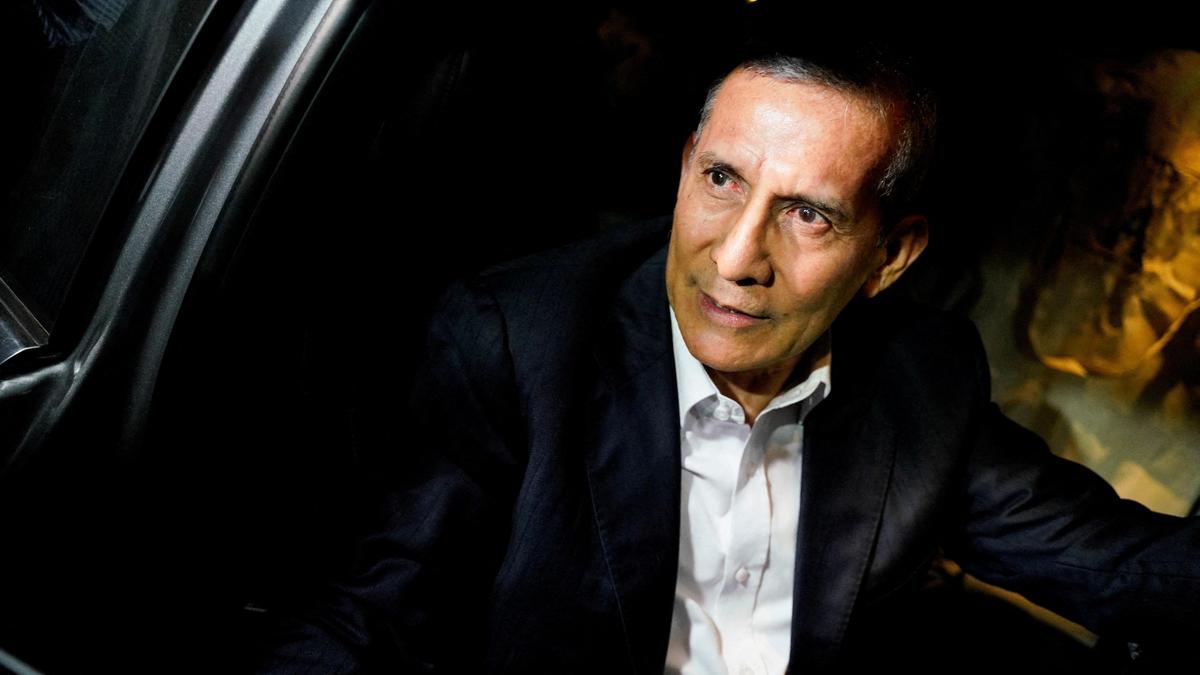
Ollanta Humala Released After Supreme Court Overturns Corruption Conviction
Ollanta Humala corruption conviction — Ollanta Humala, who served as the president of Peru from 2011 to 2016, has been released from prison following a pivotal ruling by the Supreme Court that quashed his conviction linked to the notorious Odebrecht corruption scandal. This decision, made on August 1, 2026, is historic as Humala becomes the first former president in Peru to be tried in connection with this extensive corruption case that has implicated several of his predecessors, raising significant questions about the integrity of political leadership in the country.
The Odebrecht scandal, which surfaced in 2016, centers around the Brazilian construction conglomerate Odebrecht, accused of orchestrating a widespread scheme of bribery to secure lucrative government contracts across Latin America, including in Peru. The fallout from this scandal has been profound, leading to a series of investigations and prosecutions of high-ranking officials. Humala was convicted in 2026 for allegedly accepting illegal contributions during his presidential campaigns in 2006 and 2011. His imprisonment was part of a systematic effort by Peruvian authorities to address rampant corruption that has plagued the nation’s political system and eroded public trust.
Humala’s release has ignited a spectrum of reactions among the Peruvian populace and political commentators. Supporters of the former president view the Supreme Court’s ruling as a triumph for justice, arguing that the initial conviction was driven by political motivations rather than substantive evidence. They contend that the judicial system has been weaponized against political figures in a country where corruption investigations have frequently been marred by political bias. Conversely, critics express alarm that this ruling may weaken the ongoing efforts to combat corruption in Peru, a country that has struggled with governance issues exacerbated by a series of corruption scandals involving various leaders, including Alejandro Toledo, Martin Vizcarra, and Pedro Castillo.
The implications of Humala’s release extend beyond his personal legal situation. As Peru continues to grapple with the repercussions of corruption scandals, Humala’s case highlights the challenges within the country’s political framework. The Supreme Court’s decision not only impacts Humala but also sets a significant precedent for other former officials who find themselves entangled in similar legal predicaments. This ruling could embolden other political figures facing corruption charges, potentially altering the landscape of accountability in Peruvian politics.
Since leaving office, Humala has navigated a turbulent legal landscape, with the Odebrecht case being the most prominent among numerous legal challenges. His release may shift the dynamics of political discourse in Peru, where corruption has become a central issue. The ongoing struggle against corruption in the country reflects broader societal concerns about governance and accountability, as citizens demand transparency and ethical conduct from their leaders.
As Peru faces a critical juncture in its political history, the Supreme Court’s ruling serves as a reminder of the complexities involved in addressing corruption. The interplay between the judicial system and political accountability continues to shape the narrative in a country where the fight against corruption is both a pressing necessity and a contentious battleground. The ramifications of Humala’s release will likely reverberate through the political landscape, influencing public sentiment and the future of governance in Peru.