Labor Recruitment Scheme Exposed at Korean War Commemoration
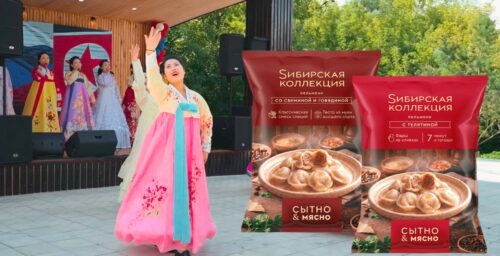
North Korean labor scheme — A recent concert commemorating the Korean War in Moscow has unveiled a troubling labor recruitment scheme involving North Korean workers. This revelation surfaced during a visit by Russian officials to the Shchyolkovsky Meat Processing Complex, a dumpling factory located just outside the city and in proximity to a military airbase that houses strategic Russian assets. The factory has been identified as employing multiple North Korean women, raising significant concerns regarding labor practices and the treatment of foreign workers in Russia.
Footage captured at the ceremony has drawn attention to the presence of these North Korean employees, igniting discussions about the ethical implications of their employment amid the current geopolitical climate. Critics argue that the Russian government’s reliance on North Korean labor not only raises human rights concerns but also highlights the complexities of international relations in the region. As international sanctions against North Korea persist due to its ongoing nuclear weapons program, this situation underscores the paradox of cooperation between Russia and a nation often isolated on the global stage.
The Shchyolkovsky Meat Processing Complex, known for producing various types of dumplings, has become a focal point in the debate over labor standards and the treatment of migrant workers. Reports indicate that the North Korean women employed at the factory may be part of a broader labor supply scheme, which has been criticized for exploiting the dire economic conditions faced by many North Koreans. With the North Korean economy severely affected by sanctions, many citizens are compelled to seek work abroad, often in challenging environments, to send remittances back to their families. This dynamic raises alarms among human rights advocates, who argue that such labor arrangements frequently lead to exploitation and abuse.
The concert itself, which aimed to honor the sacrifices made during the Korean War, has inadvertently highlighted the intricate and often troubling relationship between Russia and North Korea. Historically, the Korean War (1950-1953) saw the Soviet Union supporting North Korea against South Korean and United Nations forces, establishing a long-standing alliance that has evolved in the context of contemporary geopolitical tensions. As both countries navigate their respective international standings, the use of North Korean labor in Russian industries illustrates a broader trend of economic cooperation that could complicate diplomatic relations further.
In light of these developments, the Russian government’s actions are under increased scrutiny. Critics argue that engaging North Korean labor not only undermines international efforts to hold Pyongyang accountable for its nuclear ambitions but also raises ethical questions about the treatment of vulnerable workers. The presence of North Korean workers at a state-sponsored event, designed to honor a historical conflict, has sparked debates about the moral implications of such employment practices. As the international community continues to grapple with North Korea’s actions and the global response to them, this incident serves as a poignant reminder of the complexities involved in labor diplomacy and human rights advocacy.
Reactions from human rights organizations have been swift, with calls for greater transparency regarding the conditions under which North Korean workers are employed in Russia. Advocates emphasize the need for accountability and the protection of workers’ rights, urging the Russian government to address these pressing issues. The situation at the Shchyolkovsky Meat Processing Complex may be indicative of a larger pattern of labor exploitation, raising questions about the ethical responsibilities of nations engaged in economic cooperation with regimes known for human rights violations.
As this story continues to unfold, it highlights the intersections of labor, human rights, and international relations, particularly in a region marked by historical conflicts and contemporary geopolitical challenges. The employment of North Korean workers in Russia not only reflects the ongoing struggles faced by individuals in oppressive regimes but also serves as a critical lens through which to examine the broader implications of global labor dynamics.