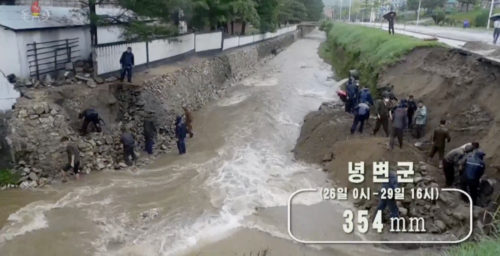
Seoul Reassures Public on Monitoring Capabilities Amid North Korean Water Release Concerns
North Korea water releases — In a recent statement, South Korea’s Unification Ministry sought to reassure the public about the nation’s preparedness to monitor and respond to potential threats from North Korea, particularly regarding the risk of unexpected water releases from dams situated along the border. This response was prompted by a media report that raised questions about the effectiveness of Seoul’s monitoring systems in light of North Korea’s activities.
Officials from the ministry highlighted that South Korea is equipped with the necessary technology and tools to detect any sudden discharges from the Hwanggang Dam, which is located near the inter-Korean border. This dam has been a focal point of concern due to its capacity to release large volumes of water, especially during the rainy season, which is currently approaching. The ministry’s reassurances aim to alleviate public anxiety about safety in border regions, where the potential for flooding could pose significant risks to communities.
The Unification Ministry emphasized that South Korea’s existing safety measures are robust and effective, ensuring that any water released from the North would be managed appropriately. This assertion is particularly relevant given the historical context of inter-Korean relations, where environmental issues have previously escalated into broader security concerns. For instance, in 2009, a similar incident involving the release of water from the Hwanggang Dam resulted in substantial flooding in South Korea, which not only caused damage but also heightened fears of military provocations from the North.
Despite the ministry’s confidence in its monitoring capabilities, the border area remains a sensitive and volatile zone, characterized by high tensions stemming from North Korea’s unpredictable behavior. The South’s ability to closely monitor the North’s activities is crucial not only for ensuring environmental safety but also for maintaining stability in a region that has been marked by decades of conflict and mistrust. Analysts have pointed out that while advancements in technology have enhanced South Korea’s monitoring capabilities, the erratic nature of the North Korean regime continues to pose significant challenges.
In response to these ongoing concerns, South Korea is actively enhancing its disaster response strategies. The government is integrating advanced monitoring systems to facilitate swift action in the event of any future threats related to water releases or other environmental hazards. As the rainy season unfolds, the effectiveness of these measures will be under close observation, both domestically and internationally. The South Korean government is aware that its response to such issues can have broader implications for inter-Korean relations and regional security.
As tensions persist along the inter-Korean border, the South’s proactive stance on monitoring and safety measures is a critical aspect of its broader strategy to manage the unpredictable nature of its northern neighbor. The situation remains fluid, and the government’s preparedness will be tested as it navigates the complexities of environmental safety and regional stability in the face of North Korea’s actions.