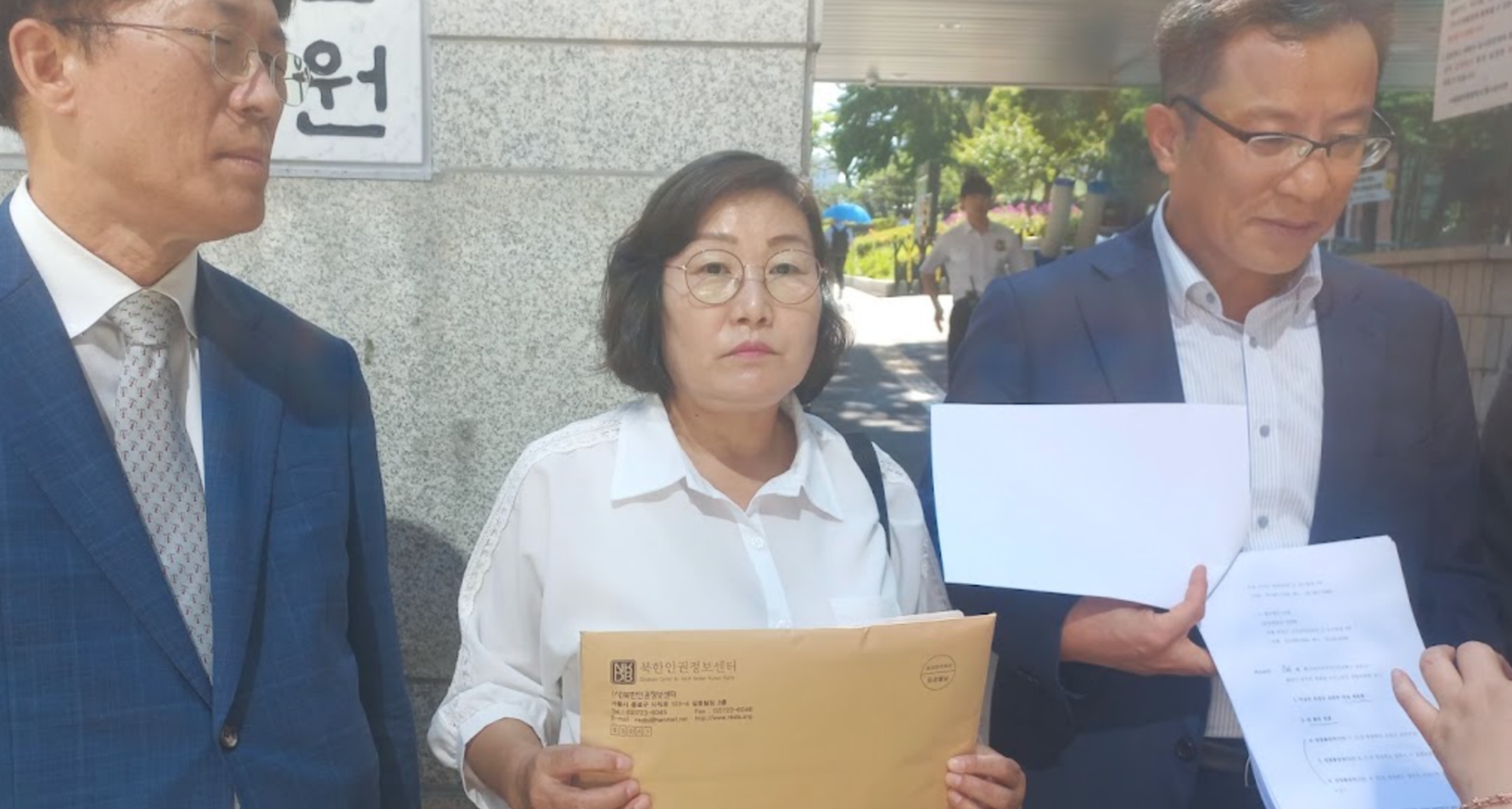
North Korea torture ruling — The Seoul Central District Court has ruled that North Korea must pay 50 million won, approximately $36,300, in damages to a defector who reported being tortured and sexually abused while detained in the country. The decision, delivered on Friday, found the government of the Democratic People’s Republic of Korea (DPRK) responsible for the mistreatment suffered by Choi Min-kyeong during her imprisonment.
Choi Min-kyeong, who escaped from North Korea, brought the case before the South Korean court, alleging repeated torture and sexual violence at the hands of North Korean authorities. The court upheld her claims, holding the DPRK accountable for the abuses committed within its prison system. This marks a rare instance in which a South Korean court has directly ordered compensation from the North Korean government for human rights violations.
The ruling is largely symbolic, as there is no established mechanism for enforcing South Korean court judgments against North Korea, and the regime has consistently denied allegations of systematic abuse. However, the case underscores ongoing efforts by defectors and human rights advocates to seek justice through international and domestic legal channels, despite the lack of diplomatic relations between the two Koreas.
Judicial Recognition of Abuse Claims
Human rights organizations have long documented reports of torture, sexual violence, and other abuses within North Korean detention facilities. The Seoul court’s decision adds judicial weight to these claims and may encourage other survivors to pursue similar legal action, even if practical enforcement remains elusive. The court’s acknowledgment of Choi Min-kyeong’s experiences highlights the challenges faced by defectors seeking accountability for abuses suffered in North Korea.
While the financial compensation ordered by the court is unlikely to be paid by North Korea, the ruling is seen as a significant statement in support of victims who have endured mistreatment in the North. The case may serve as a precedent for future lawsuits brought by defectors or others who allege abuse by North Korean authorities. For now, the judgment stands as a formal recognition of the suffering described by Choi Min-kyeong and as an example of the legal avenues some defectors are pursuing in their search for justice.