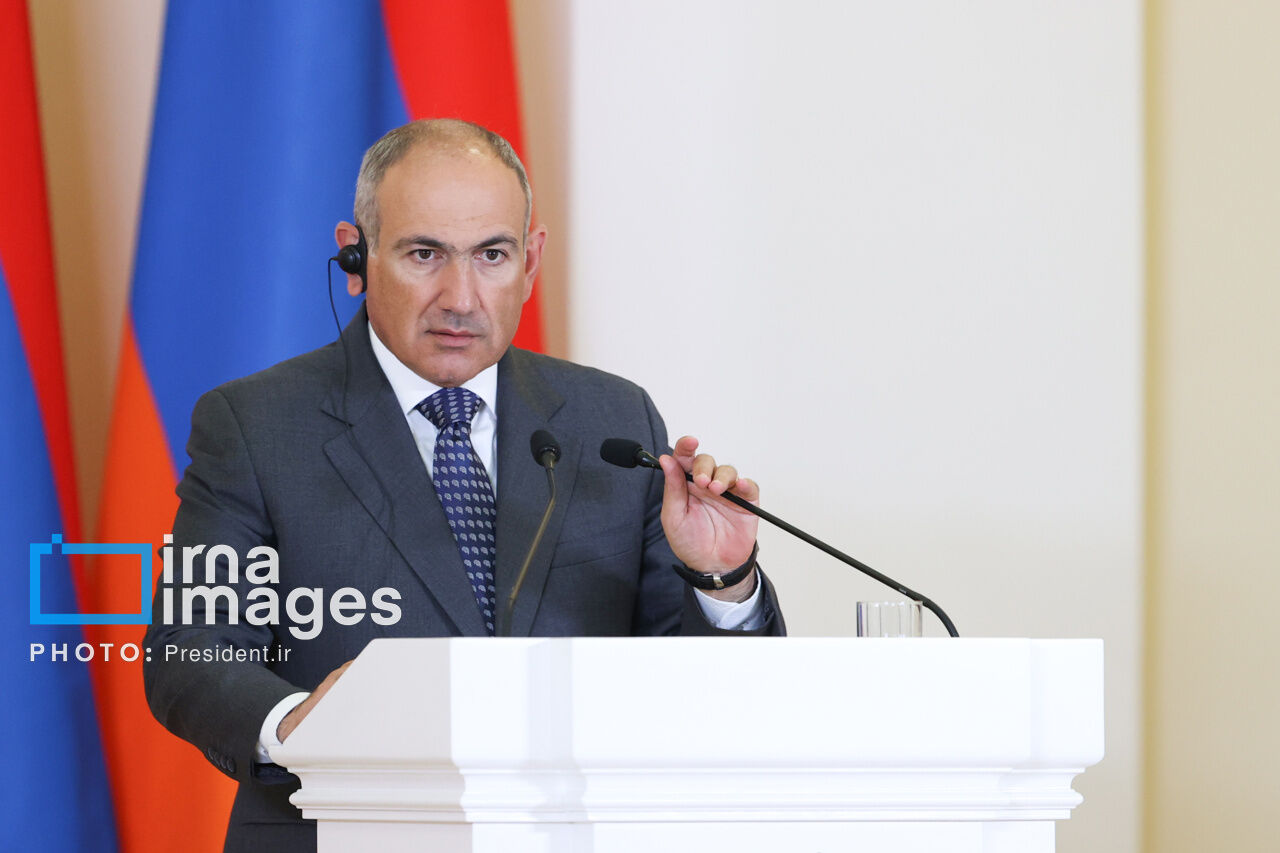
Nikol Pashinyan’s Reappointment Signals Continuity Amid Regional Challenges
Nikol Pashinyan reappointed — Tehran, IRNA – In a significant political development, Nikol Pashinyan has been reappointed as Armenia’s prime minister by President Vahagn Khachaturyan. This decision follows a successful campaign by Pashinyan’s Civil Contract party in the June parliamentary elections, where the party secured a commanding majority in the National Assembly. This electoral victory not only reinforces Pashinyan’s leadership but also highlights the electorate’s desire for stability in a nation grappling with ongoing regional tensions.
The June elections were particularly pivotal, occurring against the backdrop of Armenia’s fraught relations with Azerbaijan over the disputed Nagorno-Karabakh region. The conflict, which escalated into a full-scale war in 2026, resulted in significant territorial losses for Armenia and has left a lasting impact on the country’s political landscape. Since that conflict, public sentiment has been marked by discontent regarding the government’s handling of national security and territorial integrity, creating a challenging environment for any administration. Pashinyan’s party emerged victorious despite these challenges, suggesting a complex interplay between public sentiment and political loyalty.
In his new term, Pashinyan faces the critical task of steering Armenia towards recovery and stability. His government has made commitments to economic reforms aimed at revitalizing the economy, which has been strained by the consequences of the conflict and the ongoing geopolitical tensions in the region. Furthermore, the administration plans to strengthen democratic institutions, which are essential for fostering a resilient civil society. The success of these initiatives will be closely monitored, as they are crucial not only for domestic stability but also for Armenia’s international standing.
The reappointment comes at a time when Armenia’s foreign relations are under scrutiny. Traditionally, Armenia has relied heavily on Russia for security assurances, particularly in light of the threats posed by Azerbaijan. However, the recent war has prompted a reevaluation of this reliance, with discussions emerging about diversifying Armenia’s foreign partnerships, including potential closer ties with the West. Pashinyan’s administration will need to navigate these complex geopolitical dynamics carefully, balancing its historical alliances while exploring new partnerships that could enhance Armenia’s security and economic prospects.
The political landscape in Armenia remains polarized, with various factions expressing differing views on how to approach relations with Azerbaijan and manage internal political divisions. Pashinyan’s leadership will be tested as he attempts to unify a country still reeling from the effects of war and political division. His ability to address the concerns of various political groups while maintaining a clear and consistent foreign policy will be crucial for his administration’s longevity and effectiveness.
As Pashinyan embarks on this new term, the challenges ahead are formidable. The interplay between regional rivalries, internal political dynamics, and the need for comprehensive reforms will shape the trajectory of his leadership. The electorate’s expectations for stability and progress will serve as a constant reminder of the stakes involved in his administration’s decisions. In this context, Pashinyan’s reappointment not only signifies continuity in leadership but also a renewed commitment to addressing the pressing issues facing Armenia in a rapidly changing geopolitical landscape.