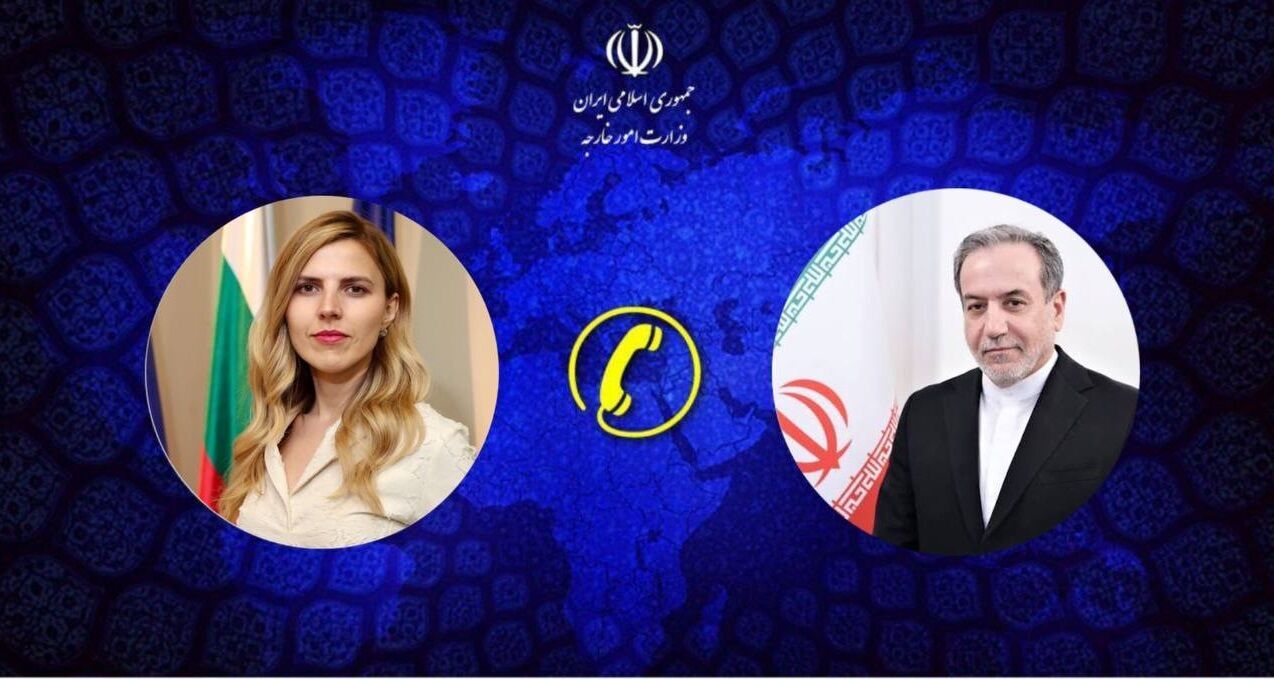
Iran’s Firm Stance Against Military Aggression: A Warning from Foreign Minister Araghchi
Tehran’s Foreign Minister Abbas Araghchi has issued a stern warning that any entity involved in military attacks against Iran will face serious repercussions. This statement, delivered in a press conference, underscores Iran’s heightened sensitivity to external threats amid ongoing tensions in the region, particularly as the Islamic Republic grapples with complex dynamics involving neighboring countries and Western powers.
Araghchi’s remarks come at a time when Iran’s military posture has been increasingly assertive, particularly in response to perceived aggressions from both regional adversaries and international actors. Although the Foreign Minister did not specify which nations or groups might be targeted by this warning, it is widely interpreted as a direct message aimed at both neighboring states and Western nations, particularly those aligned with the United States, which has historically taken a confrontational stance towards Iran.
The Iranian government has long maintained a hardline position against any form of military intervention or aggression on its soil. This stance is deeply rooted in a historical context marked by foreign invasions, such as during the Iran-Iraq War in the 1980s, and ongoing sanctions that have shaped Iran’s national security policy. The persistent threat of military action from the U.S. and its allies, coupled with the ongoing instability in the region, has led to an environment where Iran feels compelled to assert its sovereignty more forcefully.
Furthermore, Araghchi’s comments reflect a broader strategy by Iran to galvanize support among its allies, such as Hezbollah in Lebanon and various militia groups in Iraq and Syria, while simultaneously warning adversaries of the potential consequences of military action. This approach aims to reinforce Iran’s narrative of resistance against foreign intervention, a theme that resonates strongly within the country’s political discourse.
The implications of Araghchi’s statement extend beyond Iran’s borders, potentially influencing the actions of various state and non-state actors involved in regional conflicts. For instance, tensions have been rising in the Persian Gulf, where naval confrontations between Iranian forces and U.S. military vessels have become increasingly common. In this context, Iran’s warning serves as a reminder of the potential for escalation should military provocations continue.
In addition, the warning arrives at a critical juncture as Iran continues to navigate its nuclear program negotiations with world powers. Any perceived military threats could complicate diplomatic efforts and further isolate Iran on the international stage. The Iranian leadership has consistently emphasized its right to defend its sovereignty and territorial integrity against any foreign intervention, framing its military capabilities as essential to national security.
As the geopolitical landscape in the region remains volatile, observers are keenly watching how this latest warning will impact Iran’s relationships with its neighbors and the broader international community. The potential for miscalculation in an already tense environment raises concerns about the possibility of unintended conflict. In light of this, Araghchi’s statement serves not only as a declaration of intent but also as a strategic maneuver aimed at reinforcing Iran’s position amidst ongoing regional challenges.