Ceuta and Melilla Face Surge of Migrants Amid Moroccan Exodus
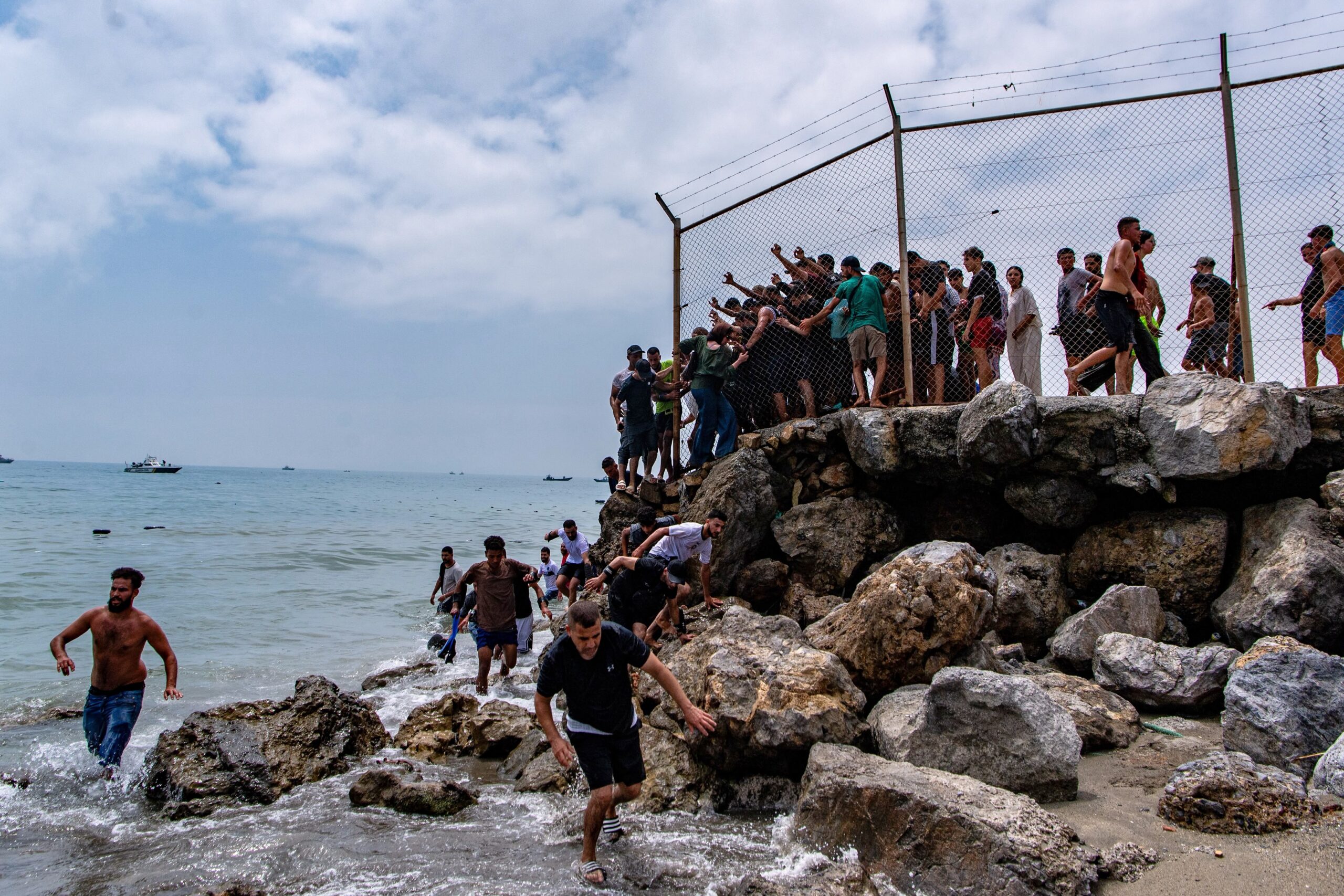
mass migration crisis — Spain is currently grappling with a significant influx of migrants from Morocco, triggered by a series of events that unfolded on July 30, 2026, at its North African enclaves, Ceuta and Melilla. The situation escalated dramatically when around 3,000 migrants successfully swam across the border into Ceuta, prompting an urgent response from Spanish authorities to manage the crisis.
Reports indicate that hundreds of young Moroccans reached the shores of Ceuta around noon, embarking on a perilous journey that claimed the lives of at least ten individuals. The crossing, fraught with danger, saw many migrants navigating the turbulent waters using flotation devices or relying solely on their swimming skills. Disturbing videos shared on social media captured chaotic scenes of desperation, with some individuals struggling against the waves while others were rescued by the Spanish Coast Guard. The overwhelming number of arrivals quickly surpassed the capacity of local authorities, who, despite initial attempts to control the situation, ultimately allowed the crowd to enter the enclave.
In the wake of this mass entry, security forces were swiftly deployed to Melilla, where another attempt by migrants to breach the border occurred later that evening. The Spanish Civil Guard intervened to prevent further crossings, and reports of gunfire in the area heightened tensions, although there were no immediate reports of injuries. As a precautionary measure, the border at Beni Enzar was closed, signaling a heightened state of alert among Spanish authorities.
In response to the escalating crisis, the Spanish government has reinforced its military presence in Ceuta, dispatching an additional 60 troops to assist local police. This decision is particularly pressing as the regional reception center in Ceuta has reached its limits, with over 400 migrants awaiting admission in facilities that can accommodate only 512 individuals. The local authorities are now facing the dual challenge of managing the influx while ensuring the safety and security of both migrants and residents.
Local officials have urged residents to stay away from the border area to facilitate ongoing operations and maintain order. The urgency of the situation underscores broader migration trends in the region, where many individuals from North Africa seek refuge or better opportunities in Europe. These journeys are often perilous, involving treacherous crossings of the Mediterranean Sea, where many lives are lost each year.
Ceuta and Melilla, both Spanish enclaves located on the northern coast of Africa, serve as critical entry points for migrants attempting to reach the European continent. Their unique geographic and political status makes them focal points in the ongoing discourse surrounding immigration policy and border security within the European Union. The recent surge in migration pressures highlights the challenges faced by European nations in addressing the complex realities of migration from North Africa, a region characterized by economic hardship and political instability.
The events of July 30 have drawn attention not only to the plight of the migrants but also to the broader implications for Spain and the European Union. As the situation develops, it raises questions about the adequacy of current immigration policies and the need for a coordinated response among EU member states. The humanitarian crisis unfolding in Ceuta and Melilla serves as a stark reminder of the urgent need for comprehensive solutions to address the root causes of migration and to ensure the safety and dignity of those seeking a better life.