Iran Engages Regional Allies Amid Rising Tensions with US and Israel
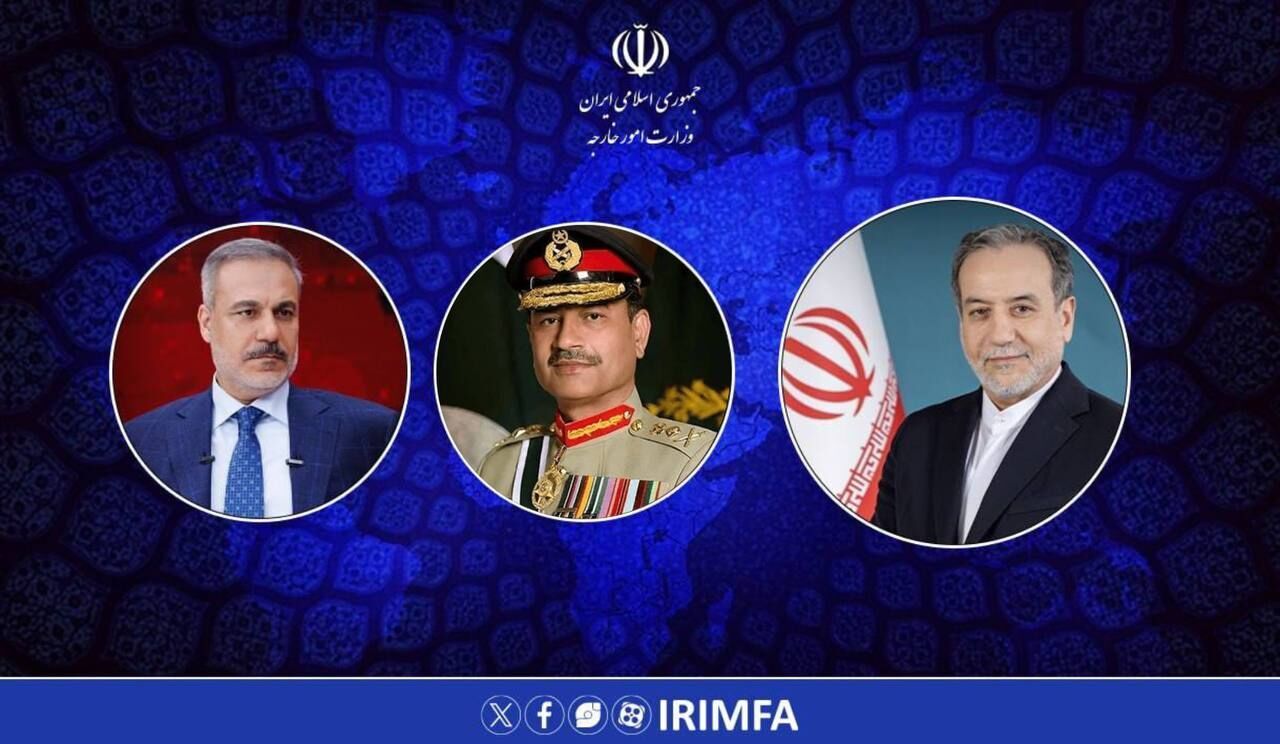
Iran US tensions — On August 2, 2026, Iranian Foreign Minister Abbas Araghchi initiated a series of diplomatic phone calls with key military and foreign officials from Pakistan, Türkiye, and Saudi Arabia. The discussions focused on the escalating tensions in the region, particularly regarding the perceived aggressive actions by the United States and Israel. This diplomatic outreach reflects Iran’s strategic efforts to solidify alliances and create a unified response to what it deems as external threats to regional stability.
Araghchi’s conversations included Field Marshal Asim Munir, the Chief of Army Staff of Pakistan; Hakan Fidan, Türkiye’s Minister of Foreign Affairs; and Faisal bin Farhan, the Saudi Foreign Minister. The timing of these discussions is significant, as Iran has increasingly voiced its concerns about the military presence of the United States in the Middle East. Tehran views this presence, along with recent military exercises conducted by the US and its allies in the Persian Gulf, as direct threats to its sovereignty and regional security.
The Iranian government has a long-standing history of accusing the United States of meddling in its internal affairs, particularly regarding its nuclear program and its unwavering support for Israel. These tensions have been exacerbated by the US’s ongoing military operations in the region, which Iran perceives as an attempt to undermine its influence and destabilize the Middle East. Araghchi’s calls come amidst a backdrop of heightened military readiness and rhetoric from both Iran and its adversaries, further complicating the already intricate geopolitical landscape of the region.
During the discussions, Araghchi emphasized the necessity of regional cooperation to counteract what he described as external pressures and conspiracies threatening the stability of the Middle East. This sentiment resonates with Pakistan, Türkiye, and Saudi Arabia, all of which have their own strategic interests in maintaining a balance of power in the region. For instance, Pakistan has been cautious in its relationship with the US, often seeking to strengthen ties with its neighbors, while Türkiye has been navigating its own complex relationship with both Western powers and regional actors.
Saudi Arabia, on the other hand, finds itself in a pivotal position as it seeks to balance its alliance with the United States against the backdrop of its own regional ambitions and relations with Iran. The kingdom has historically viewed Iran as a rival, particularly in light of their differing ideologies and support for opposing factions in conflicts throughout the region, such as in Syria and Yemen. However, recent dialogues indicate a potential willingness among these nations to engage in discussions that could lead to a more unified front against perceived external threats.
The diplomatic dialogue initiated by Araghchi reflects a broader trend among Middle Eastern nations striving to navigate the complexities of their relationships with both Western powers and neighboring countries. As Iran continues to foster these ties, the potential for a united front against perceived external threats may reshape the geopolitical landscape of the region. The interactions among these nations could lead to new alliances or reinforce existing ones, ultimately influencing the future of security dynamics in the Middle East.
As tensions remain high, the outcomes of these diplomatic efforts will be closely monitored by international observers. The potential for increased cooperation among Iran, Pakistan, Türkiye, and Saudi Arabia could serve as a counterbalance to US and Israeli influence in the region, raising questions about the future of Western engagement in Middle Eastern affairs. In this increasingly multipolar world, how these nations respond to external pressures will play a critical role in shaping the stability and security of the region moving forward.