Iran Asserts Right to Defend Sovereignty Amidst Rising US Tensions
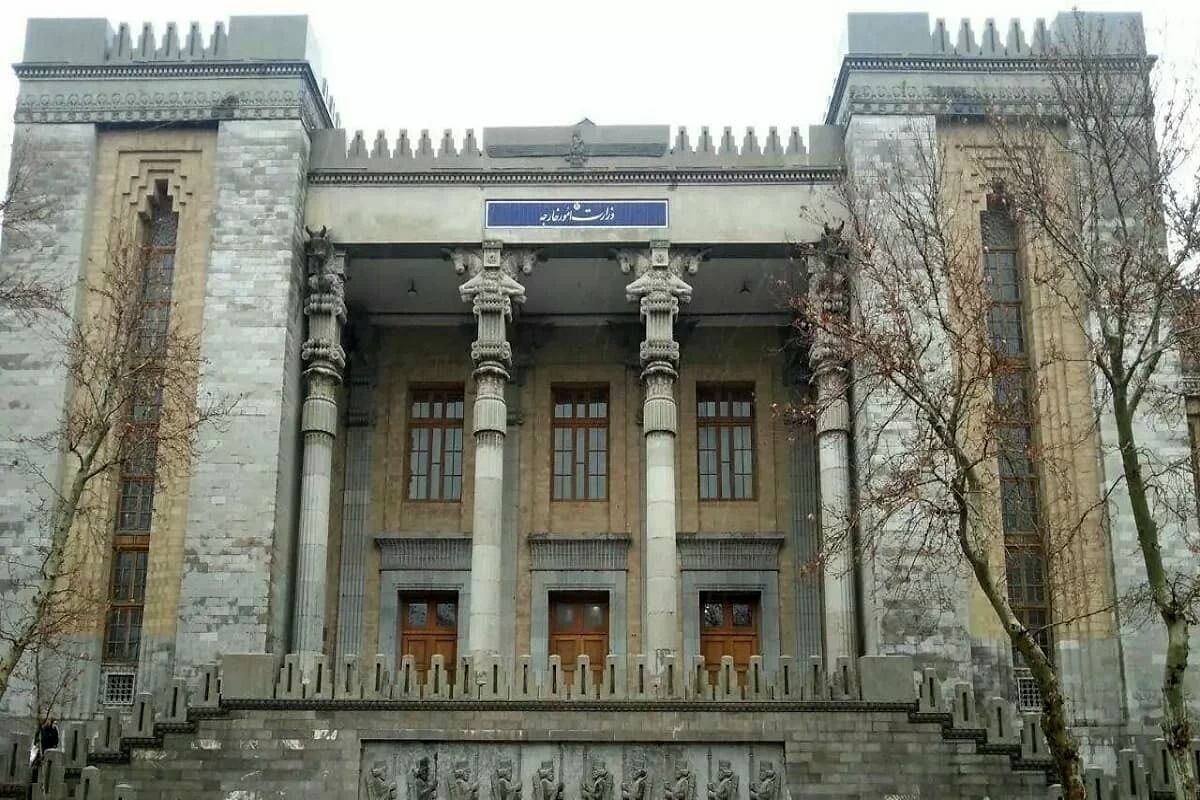
Iran national defense against US threats — The Islamic Republic of Iran has firmly reiterated its commitment to defending its national rights and sovereignty in the face of perceived threats from the United States. In a recent statement, the Ministry of Foreign Affairs emphasized that Iran will employ all necessary means to safeguard its security and interests amidst ongoing provocations from Washington. This declaration underscores Iran’s determination to maintain its autonomy in a region marked by geopolitical strife and foreign interventions.
This assertive stance comes at a time of escalating tensions between Tehran and Washington, particularly following a series of punitive sanctions and military maneuvers executed by the US in the Middle East. Iranian officials have characterized these actions as unlawful infringements on their sovereignty, prompting a resolute response from the Iranian government. The rhetoric surrounding these developments highlights a historical narrative deeply ingrained in Iranian politics, where national sovereignty is often viewed as a non-negotiable principle, shaped by past grievances against foreign interventions, especially from Western powers.
The Foreign Ministry’s statement articulates that Iran perceives its defensive posture as a legitimate reaction to external pressures that threaten its national integrity. This perspective is reflective of a broader sentiment within Iranian society, where the defense of sovereignty is intertwined with national identity. The Iranian leadership has consistently framed its struggle against foreign influence as a pivotal aspect of its political and cultural ethos, resonating with a populace that has experienced decades of external sanctions and military interventions.
In recent years, the US has implemented a range of economic sanctions aimed at crippling Iran’s economy, particularly targeting its vital oil exports, which are crucial for the country’s financial stability. The US government justifies these measures as necessary steps to curtail Iran’s nuclear ambitions and its influence in the region, which it views as a destabilizing force. However, Iranian officials vehemently contest this characterization, arguing that such actions are not only detrimental to their economy but also constitute an infringement on their sovereign rights as a nation.
The Iranian leadership has made it unequivocally clear that the defense of its national integrity is not merely a matter of political strategy but a core element of its national identity. As tensions continue to rise, Iran’s commitment to utilizing all means necessary to defend itself signals a potential for further escalation in the already volatile relationship between the two nations. The possibility of military confrontation looms larger as both sides engage in a war of words, with Iran asserting its right to self-defense against what it perceives as aggressive posturing from the US.
This situation is further complicated by the broader geopolitical landscape in the Middle East, where various regional actors have vested interests in the outcome of US-Iranian relations. The ongoing conflict in Syria, tensions with Israel, and the role of Gulf states add layers of complexity to an already intricate scenario. Iran’s neighbors are closely monitoring the developments, with many expressing concerns about the potential for military escalation that could destabilize the entire region.
As Iran navigates this challenging period, its leaders remain steadfast in their resolve to protect their sovereignty, viewing any compromise as a concession that could undermine the nation’s integrity. The Iranian public, who have historically rallied around the government in times of external threats, are likely to respond with nationalistic fervor to any perceived aggression from the US. This dynamic will continue to shape the narrative in Iran, reinforcing the government’s position as a defender of its national rights against what it considers unlawful foreign interference.