Iran Dismisses Trump’s Claims on Military Restraint
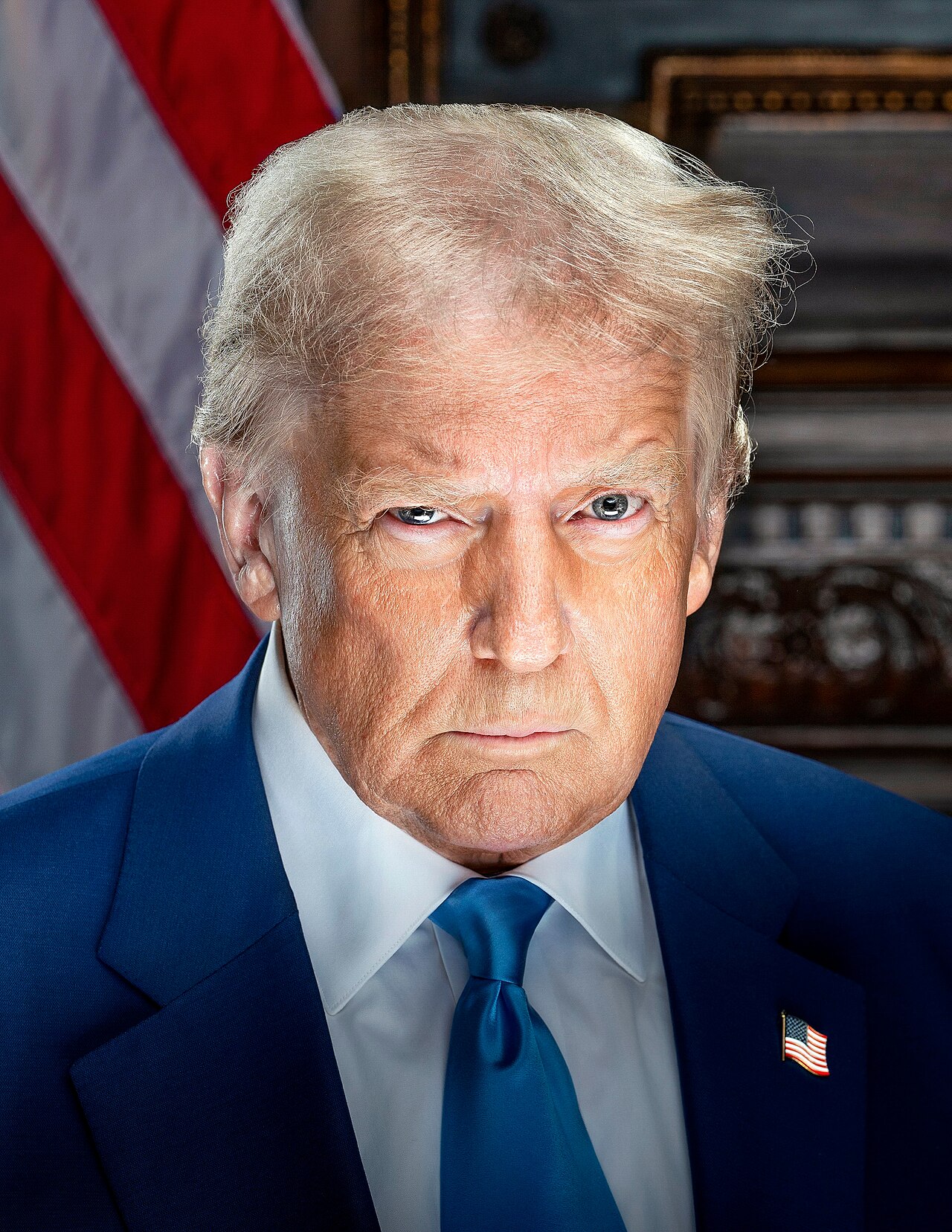
Iran denies Trump's claim — In a recent statement, U.S. President Donald Trump indicated that he would direct American military forces to refrain from launching additional strikes against Iran, asserting that allies in West Asia had established a framework for a potential peace agreement. This assertion, however, was promptly denied by Iranian media, which claimed that there had been no request from Tehran for the United States to hold back on its military actions.
Trump’s remarks come at a time of escalating tensions in the region, particularly following a series of confrontations involving Iranian-backed militias and U.S. military assets stationed in Iraq and Syria. The U.S. has maintained a significant military presence in these countries, primarily aimed at countering Iranian influence, which has often led to direct clashes between U.S. troops and Iranian-affiliated forces. This ongoing conflict underscores the intricate and often volatile nature of U.S.-Iran relations, characterized by a cycle of provocations and retaliations.
The Iranian response to Trump’s claims highlights a broader narrative of defiance and national sovereignty. Iranian officials have consistently asserted that while they do not seek conflict, they are prepared to respond decisively to any acts of aggression. The denial from Iranian media is not merely a rejection of Trump’s statement but also a reflection of the country’s strategic posture in the face of external pressures, particularly from the United States. Since the U.S. unilaterally withdrew from the Joint Comprehensive Plan of Action (JCPOA) in 2018, Iran has felt increasingly cornered and has been vocal in its determination to resist what it perceives as unjust aggression.
As the geopolitical landscape in West Asia continues to shift, the prospects for a negotiated settlement remain ambiguous. Regional allies, including Saudi Arabia and Israel, have expressed deep skepticism regarding Iran’s intentions, complicating any potential diplomatic efforts. The U.S. administration appears to be adopting a strategy of cautious engagement, attempting to balance military readiness with the possibility of dialogue, yet the path forward remains fraught with challenges.
In the backdrop of these developments, the situation in the Balkans is noteworthy, especially as Serbia navigates its own intricate relationships with both Western powers and Russia. Serbia’s foreign policy is heavily influenced by its historical ties to Russia, juxtaposed with its aspirations for closer integration with the European Union. The dynamics of U.S.-Iran relations could have ripple effects in the Balkans, as Serbia and other countries in the region assess their own positions amid global tensions. The evolving situation may force Serbia to carefully consider its diplomatic strategies, particularly as it seeks to maintain stability and foster economic growth in an unpredictable international environment.
As both the U.S. and Iran continue to maneuver within this complex geopolitical chessboard, the implications of their actions could extend far beyond their immediate borders, influencing regional alliances and shaping the future of international relations in West Asia and beyond. The interplay of military might and diplomatic overtures will likely define the coming months, as all parties remain vigilant in a landscape marked by uncertainty and potential conflict.