Hamas Endorses Ceasefire Roadmap Amidst Ongoing Tensions with Israel
Gaza ceasefire roadmap — Hamas has recently endorsed a new roadmap aimed at implementing the second phase of the Gaza ceasefire agreement, marking a crucial development after more than two and a half years of intense conflict in the region. This endorsement comes at a time when the humanitarian crisis in Gaza has reached alarming levels, with countless civilians affected by the ongoing violence. However, despite this apparent willingness to engage in negotiations, substantial disagreements remain between Hamas and Israel regarding the sequence of critical steps necessary for achieving lasting peace.
Key points of contention include the timing of disarmament, the withdrawal of Israeli military forces, and the governance structure of Gaza in the aftermath of the conflict. Hamas insists that disarmament should occur only after Israeli troops vacate the territory, while Israel demands that Gaza be fully demilitarized before any military withdrawal takes place. This fundamental disagreement underscores the complexities of the ceasefire negotiations, which are further complicated by the historical context of mistrust and violence that has characterized Israeli-Palestinian relations for decades.
On July 31, Hamas announced its acceptance of the ceasefire roadmap, which includes provisions for the transfer of heavy weaponry, conditional upon Israel ceasing all military operations and withdrawing from Gaza. The group’s senior official, Basem Naim, emphasized the necessity for Israel to adhere to its commitments under the agreement. Additionally, the roadmap calls for the establishment of the Palestinian National Committee for the Administration of Gaza (NCAG) to manage civil duties, the deployment of international stabilization forces, and the dissolution of armed groups and militias that Israel has established. This proposed governance structure aims to provide a framework for stability in Gaza, a region that has seen power struggles between various factions, including Hamas and the Palestinian Authority.
Despite Hamas’ apparent willingness to negotiate, analysts caution against interpreting this as a significant political shift. Instead, they suggest it reflects the group’s efforts to adapt to the ongoing realities of the protracted conflict. The success of the ceasefire roadmap will largely depend on the ability of all involved parties to meet their obligations during the implementation phase. The historical backdrop of failed ceasefires and broken promises adds a layer of skepticism to this latest initiative.
In stark contrast, Israeli officials have rejected the latest proposal. National Security Minister Itamar Ben-Gvir described the roadmap as “unacceptable,” arguing that a commitment to halt attacks on Hamas would merely enable the group to regroup and prepare for future assaults. The Israeli Prime Minister’s Office echoed these sentiments, asserting that the current disarmament plan fails to meet Israel’s security requirements. This rejection highlights the ongoing tension between the two sides, as Israel grapples with its security concerns while Hamas seeks to assert its authority in the region.
The diverging positions of Hamas and Israel underscore the fragility of the ceasefire process and the significant obstacles that still need to be addressed. As both sides continue to engage in negotiations, the hope for a lasting peace remains uncertain. The international community is closely monitoring the situation, with many urging both parties to remain committed to dialogue. The involvement of external mediators may play a crucial role in facilitating compliance with the terms of the ceasefire agreement and ensuring that the needs of the Palestinian population are addressed.
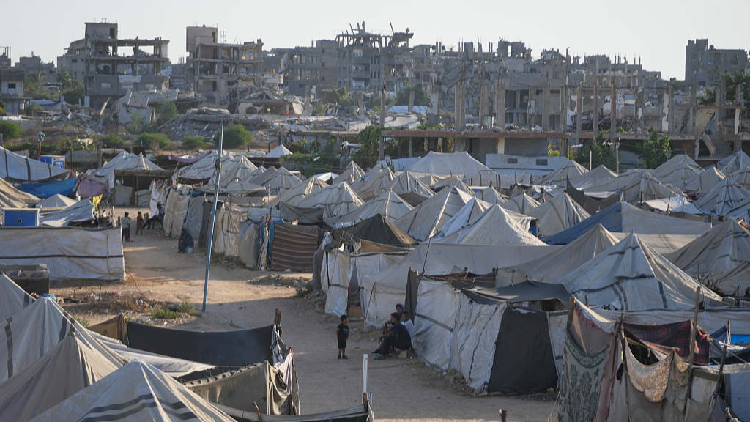
As the situation unfolds, the implications for the residents of Gaza are profound. The ongoing conflict has led to widespread displacement and destruction, with many families living in dire conditions. The success or failure of the ceasefire roadmap will not only impact the political landscape but also the humanitarian situation in the region. The coming weeks will be critical as both Hamas and Israel navigate the complexities of their negotiations, with the potential for either renewed violence or a step towards a more stable future.