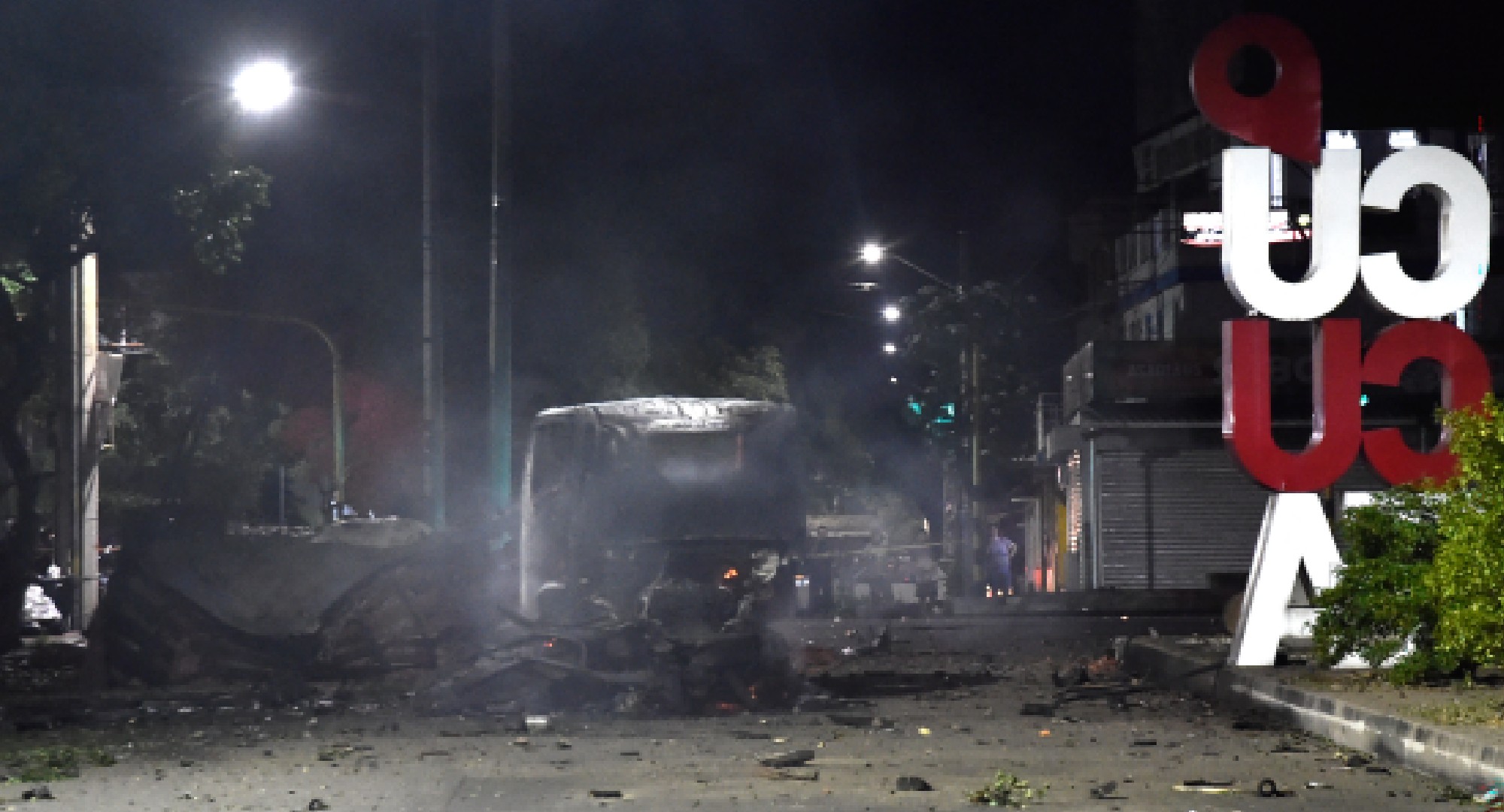
Colombia truck bombing — A truck bombing in Cúcuta, Colombia, on August 1, injured at least 11 individuals, including eight police officers and three civilians. This violent act occurred just six days before the inauguration of President-elect Abelardo de la Espriella, a controversial figure from the far-right political spectrum, known for his hardline stance against guerrilla groups and drug trafficking organizations that have long plagued the nation.
The explosive-laden vehicle detonated near the headquarters of the North Santander Police, an area that has seen escalating violence due to its proximity to the Venezuelan border and the influence of various armed groups. Eyewitnesses reported flames engulfing the truck and extensive damage to nearby buildings, as police, military personnel, and local residents rushed to the scene. George Quintero, the security secretary for North Santander, described the incident as an “atrocious and violent act,” underscoring the urgent need for accountability in a country grappling with a history of political violence and terrorism.
Heightened Security Measures for the Upcoming Inauguration
De la Espriella, who is set to take office on August 7, will inherit a nation facing persistent security threats, particularly from guerrilla groups such as the National Liberation Army (ELN) and various drug trafficking organizations. His administration is expected to adopt a more aggressive approach against these factions, marking a stark departure from the peace negotiations pursued by outgoing President Gustavo Petro, Colombia’s first leftist leader. Petro’s administration had sought to reduce violence through dialogue, a strategy that has drawn both support and criticism.
In a post on social media platform X, De la Espriella condemned the bombing, asserting that “terrorism will not intimidate Colombia or bend the will of Colombians to live in peace and security.” He vowed to identify and bring those responsible for the attack to justice, reinforcing his commitment to national security. The urgency of his response reflects the heightened tensions surrounding his upcoming inauguration, which has already been overshadowed by threats against his life from various armed groups.
As a precautionary measure, the inauguration ceremony is expected to implement one of the largest security operations in Colombian history, involving nearly 11,000 soldiers and police officers. This extensive security detail is not only a response to the recent bombing but also to specific threats indicating that guerrilla groups may be plotting assassination attempts against him. The decision to relocate the inauguration from the traditional venue in Bogotá to Cali—a region historically affected by drug-related violence—further underscores De la Espriella’s commitment to confronting these deep-rooted issues head-on.
The political climate in Colombia has been increasingly volatile, marked by violent incidents during the recent presidential campaign, including bombings and attacks on security forces. The bombing in Cúcuta serves as a grim reminder of the challenges that lie ahead for the incoming administration. De la Espriella’s hardline rhetoric and plans to intensify the fight against guerrilla and drug trafficking groups signal a significant shift in Colombia’s approach to security, potentially reigniting tensions in a country that has sought peace for decades.
As the nation braces for the inauguration, the public remains on edge, acutely aware of the violence that has defined Colombia’s past. The bombing has reignited debates around security policy, governance, and the role of the state in protecting its citizens. With De la Espriella poised to take office, many are left wondering how his administration will navigate the complex landscape of Colombian politics, particularly in addressing the longstanding issues of violence and instability that continue to affect everyday life.