Spain Reinforces Ceuta Border Amid Migrant Surge and Tragedy
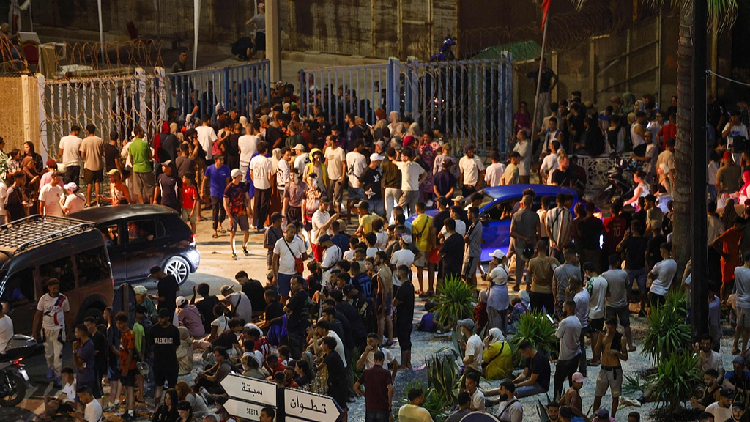
Ceuta migrant crisis — Spain has escalated its security measures at the Ceuta border, following a significant increase in migrant crossings from neighboring Morocco that has resulted in the heartbreaking deaths of at least nine individuals. This tragic event underscores the heightened tensions surrounding migration in the region, as thousands of migrants attempted to reach the Spanish enclave, placing immense strain on local resources and security services.
On July 30, 2026, the situation reached a critical point when thousands of migrants arrived in Ceuta, a Spanish territory located on the northern coast of Africa, directly adjacent to Morocco. The influx prompted the deployment of armed forces to assist the Civil Guard in managing the crisis. Regional leader Juan Jesus Vivas has called on the Spanish central government to declare a national emergency, advocating for a unified command to effectively address the escalating situation.
The surge in crossings is closely tied to a recent ruling by Spain’s Supreme Court, which has prohibited the controversial practice of summary “hot returns.” This policy, which allowed authorities to rapidly expel migrants intercepted at sea back to Morocco without conducting individual assessments, had raised significant concerns regarding human rights violations. Critics of the new legal framework argue that the ruling could inadvertently incentivize more irregular crossings, as migrants may view this as an opportunity to enter the European Union without facing immediate expulsion.
In light of the tragic events, Spain’s Interior Ministry has expressed a commitment to enhancing coordination with Moroccan authorities to manage migration flows more effectively. This collaboration aims to expedite the return of individuals who have entered Ceuta illegally. European Commissioner for Internal Affairs and Migration, Magnus Brunner, announced that the European Union stands ready to provide additional support to Spain, including resources from Frontex, the EU’s border and coast guard agency, to help manage the crisis.
As the situation continues to develop, Prime Minister Pedro Sanchez and Interior Minister Fernando Grande-Marlaska are expected to visit Ceuta to oversee the government’s response. This crisis has drawn attention to the complexities of managing migration at the EU’s only land border with Africa, where Ceuta and its counterpart Melilla serve as critical entry points into Europe. The proximity of these enclaves to Morocco makes them focal points for migrants seeking a better life in Europe, often leading to perilous attempts to cross the Mediterranean Sea.
The recent events have sparked a renewed debate on migration policies within Spain and across Europe, as the continent grapples with the challenges posed by irregular migration. The tragic loss of life highlights the urgent need for comprehensive strategies that address both humanitarian considerations and the enforcement of border security. As the Spanish government navigates this crisis, the response will likely set a precedent for how the EU handles similar situations in the future.
Local communities in Ceuta are feeling the impact of the migrant surge, with many residents expressing concern over the strain on public services and resources. The crisis has also reignited discussions about the broader implications of migration in the region, including the economic and social challenges faced by both migrants and host communities. As Spain and the EU work to formulate a cohesive response, the humanitarian aspect of the crisis remains at the forefront of the conversation, emphasizing the need for solutions that respect human rights while ensuring border security.