Ceuta’s Migrant Crisis Intensifies Amid Diplomatic Strains
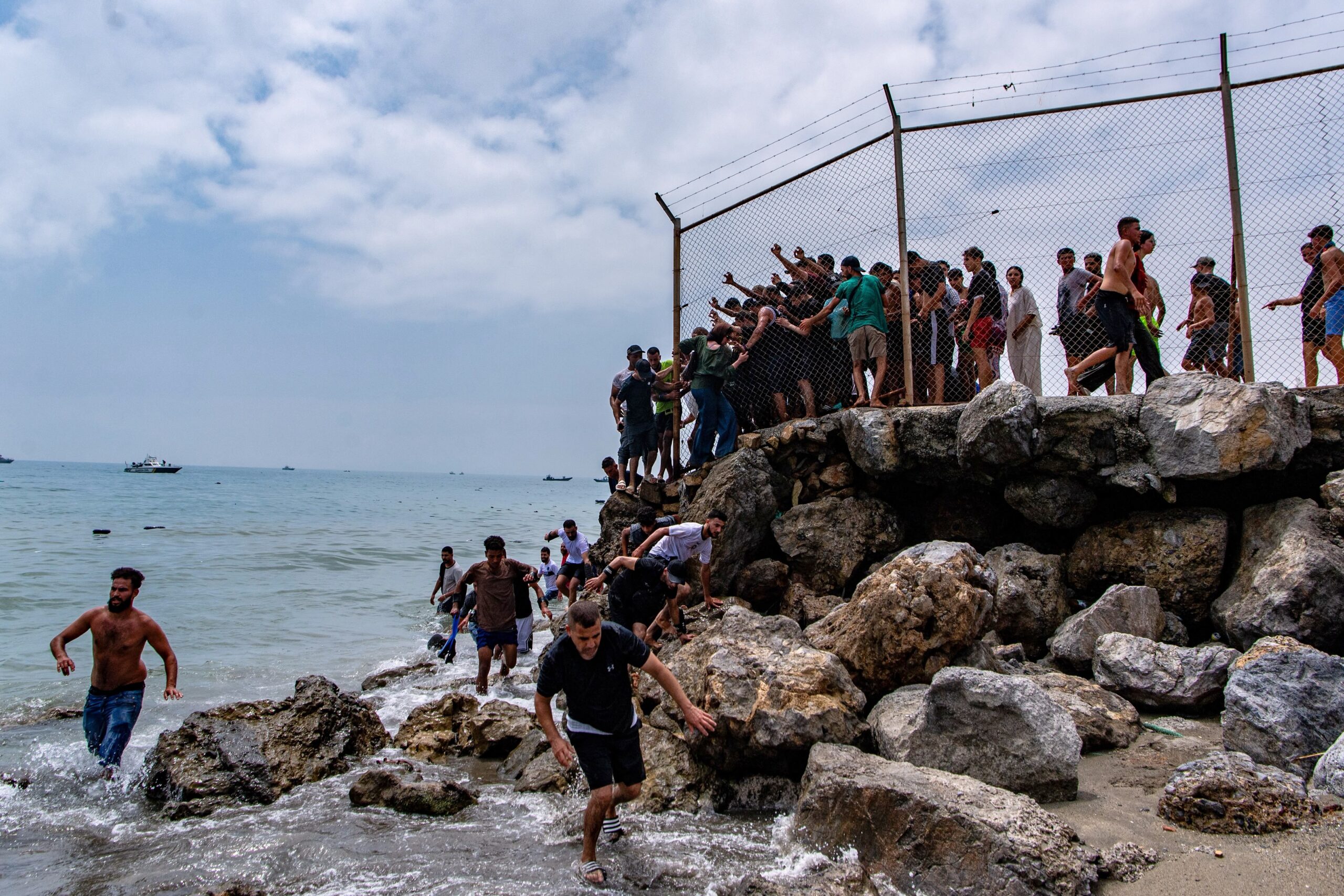
Ceuta migrant crisis — In a dramatic escalation of an ongoing migrant crisis, thousands of individuals have recently attempted to cross from Morocco into Ceuta, a Spanish enclave located in North Africa. This surge has not only raised alarm among local authorities but has also led to increased tensions between Spain and Morocco. Estimates from Spanish officials suggest that around 60,000 migrants have successfully entered Ceuta, prompting a robust response from both the Spanish government and the European Union, which is grappling with the implications of this unprecedented influx.
Footage and images of large groups of migrants swimming towards Ceuta gained widespread attention, particularly on July 30. Tragically, reports indicate that at least 57 people lost their lives during their perilous journey across the Mediterranean. This harrowing outcome highlights the extreme desperation many migrants experience in their quest for a better life in Europe, often risking everything in the hope of escaping dire conditions in their home countries.
Ceuta and its sister city Melilla are unique in that they are the only terrestrial borders between the European Union and Africa. Both cities have been under Spanish control for over five centuries, yet Morocco has laid claim to them since achieving independence in 1956. Despite Morocco’s assertions, international law recognizes Ceuta and Melilla as Spanish territories, and they are not included in the United Nations’ list of territories pending decolonization. This complicated historical backdrop adds layers to the current crisis, as both Spain and Morocco navigate the sensitive issue of territorial sovereignty amidst the humanitarian challenges posed by mass migration.
In response to the overwhelming number of crossings, local Spanish authorities have requested assistance from the central government in Madrid. As a result, military forces have been deployed to reinforce security in both Ceuta and Melilla. The situation has become particularly concerning with reports indicating that approximately 7,000 of those who entered irregularly in recent days are unaccompanied minors. This influx raises significant humanitarian concerns, as local resources are stretched thin, and the community grapples with the implications of such a dramatic demographic shift.
Ceuta, with its population of about 83,600 residents, faces a daunting challenge in accommodating tens of thousands of new arrivals. The local infrastructure is under pressure, and the social fabric of the community is being tested as authorities struggle to provide adequate support and services for both the existing population and the newly arrived migrants. On the night of July 30 alone, between 300 and 400 additional crossings were reported in Melilla, compounding the complexity of the situation.
As the crisis unfolds, the European Union finds itself under increasing pressure to address the migrant situation effectively. The geopolitical landscape of the region is fragile, with Spain and Morocco’s diplomatic relations becoming increasingly strained. Each nation is tasked with balancing humanitarian responsibilities with national security concerns, and both face criticism from various quarters regarding their handling of the crisis.
The situation in Ceuta is emblematic of broader issues affecting migration patterns across Europe, as many individuals flee conflict, poverty, and instability in search of safety and opportunity. The challenges faced by Spain and Morocco serve as a microcosm of the complexities of migration in the Mediterranean region, where human rights, national sovereignty, and international law intersect in often contentious ways. As the crisis continues to evolve, the need for a coordinated response that addresses both the humanitarian needs of migrants and the concerns of host nations becomes increasingly urgent.