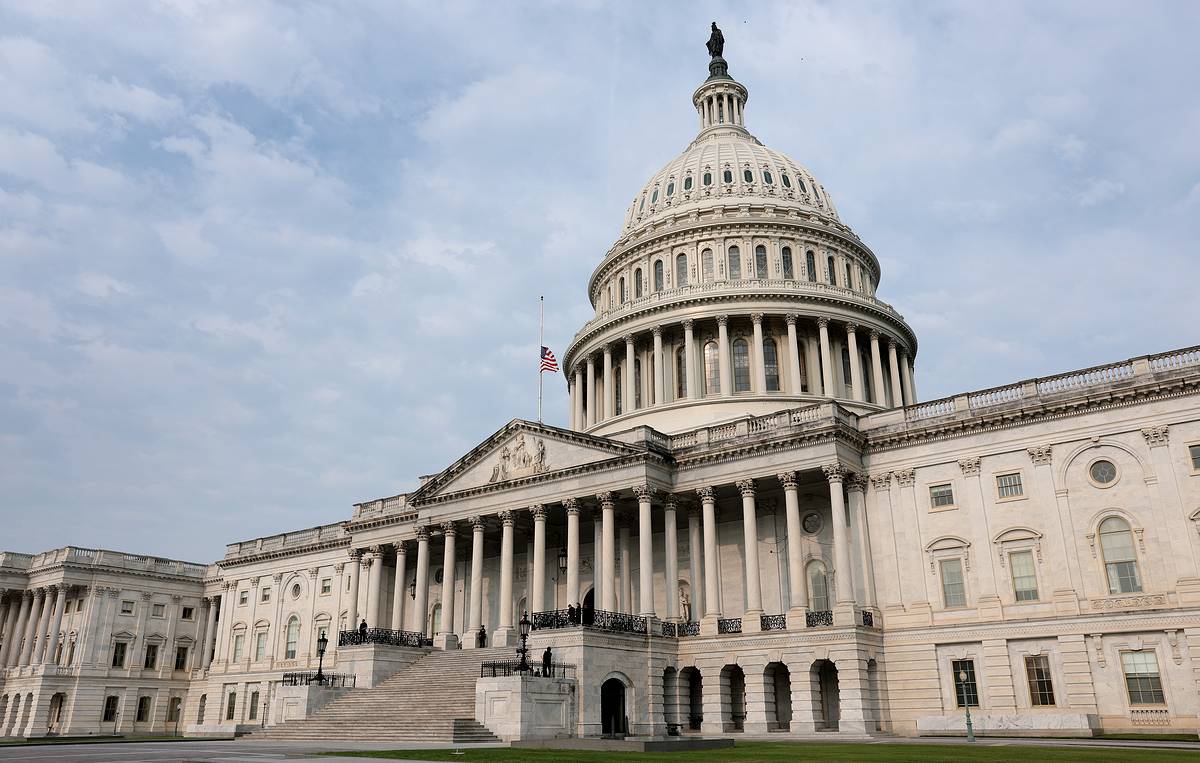
Senators Unite for New Sanctions Against Russia Amid Ongoing Conflict
anti-Russia sanctions bill — In a significant step towards tightening economic measures against Russia, a group of United States senators has reached an agreement on a new sanctions bill. This legislative move comes amid ongoing tensions following Russia’s invasion of Ukraine in February 2026, which has since escalated into a protracted conflict that has drawn widespread international condemnation and resulted in severe humanitarian crises in the region.
The bipartisan agreement reportedly positions the bill for a Senate vote as early as this week, indicating a strong momentum behind the initiative. The urgency of this measure reflects the increasing concern among U.S. lawmakers regarding Russia’s military actions, not only in Ukraine but also its broader ambitions in Eastern Europe. Should it pass, the legislation is expected to introduce additional restrictions aimed at key sectors of the Russian economy, including energy and financial services, which are vital for sustaining the Russian state budget and its military operations. This aligns with the broader strategy of the U.S. and its allies to exert pressure on Moscow to alter its aggressive foreign policy, particularly as winter approaches and energy supplies become critical in Europe.
Among the proposed measures, the bill includes enhanced penalties for individuals and entities that support Russia’s military operations. This could target oligarchs, state-owned enterprises, and foreign companies that continue to engage with Russia despite existing sanctions. Furthermore, the legislation seeks to bolster the enforcement of existing sanctions by providing additional resources to U.S. agencies tasked with monitoring compliance. The Biden administration has emphasized the need for rigorous enforcement to ensure that sanctions have a tangible impact, particularly as some nations have faced challenges in fully implementing the measures due to economic interdependencies.
The urgency of passing these sanctions reflects the Biden administration’s commitment to maintaining a united front with European allies, who have also implemented various sanctions against Russia since the conflict escalated. European nations have faced their own challenges, particularly regarding energy reliance on Russia, and the coordinated efforts to impose sanctions are seen as a critical component of the Western strategy to deter further aggression. The collaborative approach underscores the shared goal of promoting stability and security in Eastern Europe, particularly in countries that have historically been vulnerable to Russian influence.
As the situation develops, the implications of these sanctions could extend beyond economic ramifications. Analysts suggest that further isolating Russia from global markets may have significant geopolitical consequences, potentially altering the balance of power in the region. The anticipated Senate vote will be closely watched, as it not only signals the U.S. Congress’s stance on foreign policy but also reinforces the ongoing solidarity among Western nations in addressing security threats posed by Russia. The outcome could influence not only future U.S.-Russia relations but also the strategic calculations of other nations observing the conflict, particularly in the Balkans, where historical tensions and alliances can be significantly impacted by shifts in international policy.
With the Senate poised to act, the forthcoming days will be crucial in determining the trajectory of U.S. sanctions policy and its potential effectiveness in curbing Russian aggression. Lawmakers and analysts alike will be monitoring the situation closely, as the stakes remain high not just for Ukraine, but for the broader security architecture of Europe and beyond.