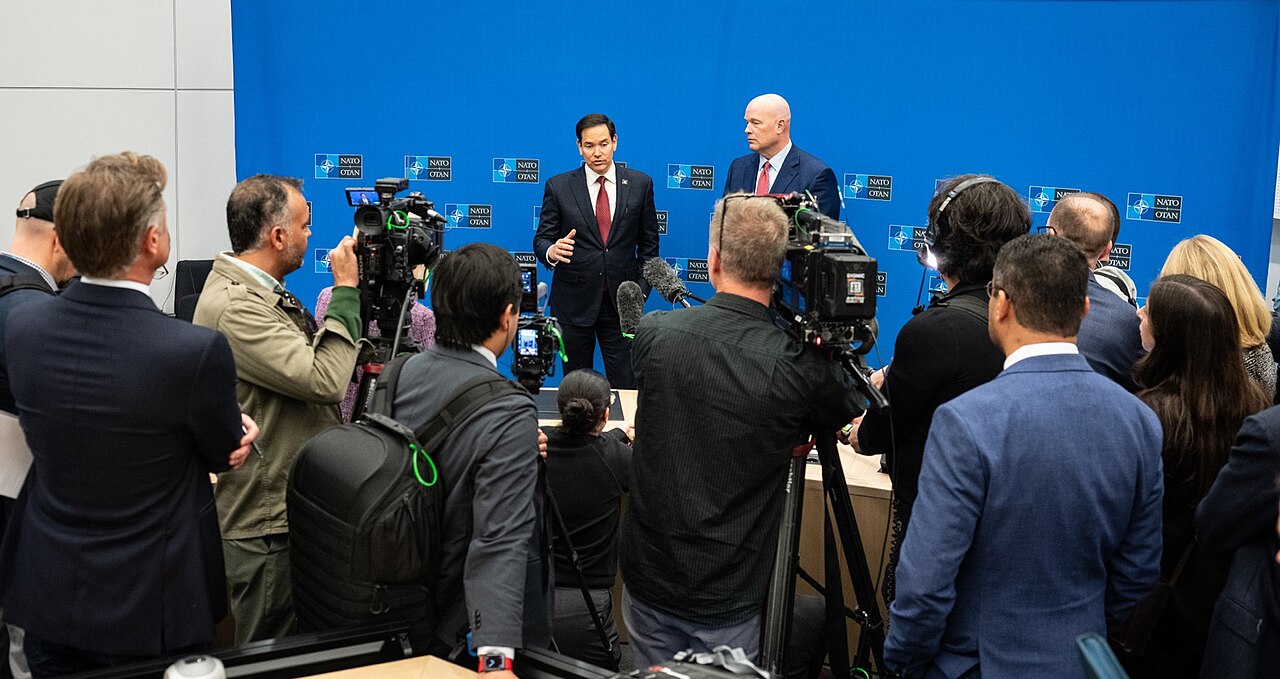
US Envoy Highlights Advancements in Ukraine’s Defense Production Talks
Ukraine Patriot systems production — Matthew Whitaker, the United States envoy to NATO, has reported positive developments in the ongoing discussions surrounding the production of Patriot missile defense systems within Ukraine. This advancement comes at a critical time as Ukraine continues to fortify its defense capabilities in response to escalating military activities from Russia, which has ramped up its presence in the region since the onset of the conflict in 2026.
During a recent briefing, Whitaker underscored the importance of collaborative efforts between the U.S. and its NATO allies aimed at enhancing the military infrastructure of Ukraine. The Patriot missile systems, recognized for their effectiveness in intercepting various aerial threats, are viewed as essential components of Ukraine’s defense strategy against potential airstrikes from Russian forces. Since the conflict began, the U.S. has consistently provided substantial military aid, including advanced weaponry and training programs, to support Ukraine’s defense initiatives.
The discussions around the production of these advanced systems reflect a broader commitment from NATO members to ensure that Ukraine is not only equipped to respond to immediate threats but is also capable of establishing a sustainable defense production capability. Whitaker emphasized that these negotiations are crucial for Ukraine’s long-term security and align with NATO’s strategic objective of bolstering the defense readiness of member and partner nations. This approach is particularly significant in a region where historical tensions and security challenges persist.
Establishing the production of Patriot systems within Ukraine would represent a notable shift in the country’s defense posture. It would enable Ukraine to maintain and operate its air defense mechanisms independently, reducing its reliance on foreign military supplies that have proven challenging to secure during the protracted conflict. This initiative could also serve to enhance Ukraine’s sovereignty in defense matters, allowing for quicker responses to threats without waiting for external assistance.
The implications of this development extend beyond Ukraine’s borders, potentially influencing regional stability in Eastern Europe. As Ukraine strengthens its defense capabilities, it may deter further Russian aggression, sending a clear message to neighboring countries, particularly those in the Balkans with historical ties to Russia, about the importance of bolstering their own defense frameworks. Nations in the Balkans, which have a complex history with both NATO and Russia, may perceive Ukraine’s advancements as a catalyst for reassessing their military strategies and alliances.
Moreover, the outcome of these negotiations could shape NATO’s posture towards other countries in the region. Increased military cooperation and support may follow, as NATO aims to ensure collective security in an area that has been under heightened pressure from Russian military posturing. The alliance’s commitment to regional security is crucial, especially as it seeks to reassure Eastern European member states that they are not alone in facing potential threats.
As discussions continue, the focus remains not only on the immediate requirements of Ukraine but also on fostering a resilient defense industry that can support the nation in the long run. Whitaker’s remarks highlight the strategic importance of these negotiations, which could ultimately redefine the security landscape in Eastern Europe and contribute to a more stable regional environment amidst ongoing geopolitical tensions.