Legal Challenges Mount as Trump Administration Pursues Mail-in Voting Restrictions
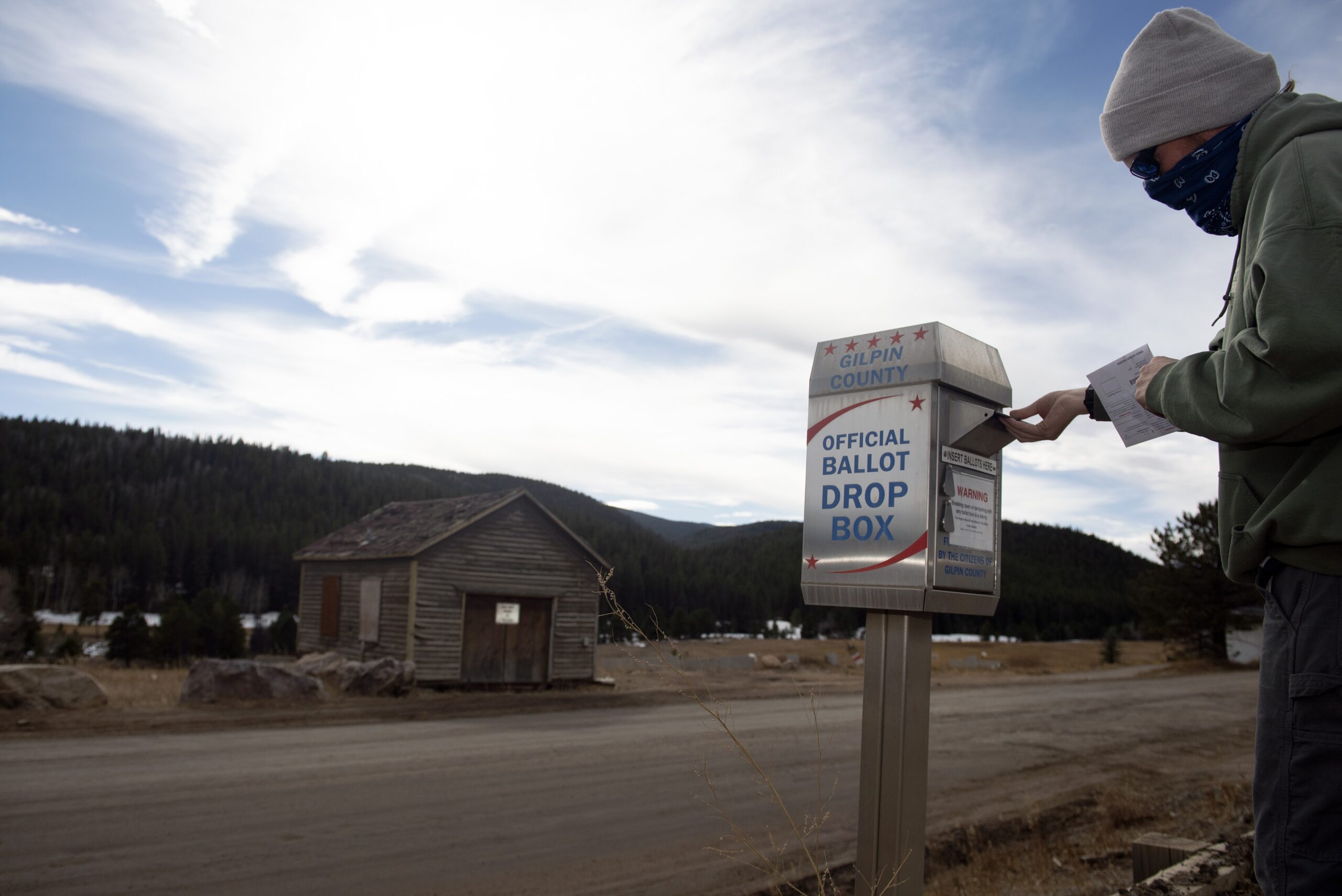
Trump mail-in voting restrictions — The Trump administration is intensifying its efforts to secure approval from the United States Supreme Court for a contentious decree that seeks to impose restrictions on mail-in voting, a move that comes just months before the midterm elections scheduled for November 2026. This push follows a recent ruling from a federal appeals court that upheld a suspension of the decree across 23 states and the District of Columbia, where it has faced significant legal challenges.
Signed by former President Donald Trump in March, the decree mandates the establishment of a federal list of eligible voters for mail-in ballots. This list is to be compiled by the U.S. Citizenship and Immigration Services (USCIS) in conjunction with the Social Security Administration. Under the proposed regulations, mail-in ballots would only be dispatched to individuals listed on this federal roster, raising alarms about potential voter disenfranchisement and access issues. Critics argue that such a system could disproportionately affect marginalized communities, including those who may lack the necessary documentation to prove their eligibility.
States opposing the decree contend that the authority to regulate election procedures lies within the purview of state governments and Congress, rather than the presidency. This ongoing legal dispute underscores the persistent tensions between state and federal powers in the electoral process, which have been particularly pronounced in recent years as the nation grapples with issues of voting rights and electoral integrity. In June, a federal judge temporarily blocked the implementation of the decree for the states involved in the lawsuit, effectively stalling its rollout.
Trump has defended the decree as a vital measure aimed at preventing non-citizens from casting ballots, a claim that has been met with skepticism. Numerous studies indicate that instances of non-citizen voting are exceedingly rare in the United States, leading many to question the necessity of such stringent measures. Nonetheless, the administration maintains that ensuring the integrity of the electoral process justifies the decree’s implementation.
In a controversial aspect of the decree, Trump has cited Brazil and India as examples of nations that successfully link voter identification to biometric databases. This comparison has drawn criticism from opponents who argue that adopting similar practices in the U.S. could lead to widespread voter suppression. The notion of biometric identification raises significant concerns about privacy and the potential for misuse of sensitive personal information, particularly among vulnerable populations.
Moreover, the decree includes stipulations that would make federal funding for states contingent upon their compliance with the new voting standards. It also reinforces provisions to prevent the counting of ballots that arrive after Election Day, a practice that, while already prohibited, the administration claims is inadequately enforced. These measures could significantly alter the landscape of mail-in voting, which has become increasingly popular, particularly in light of the COVID-19 pandemic that prompted many voters to seek alternatives to in-person voting.
As the midterm elections draw closer, the ramifications of this legal battle are poised to extend far beyond the immediate issue of mail-in voting. The outcome could influence voter participation rates, shape public perception of electoral integrity, and ultimately affect the political landscape in the United States. With the Supreme Court’s decision pending, both supporters and detractors of the decree are closely monitoring developments, aware that the stakes are high for millions of American voters.