Oil prices continued to climb on Friday, August 7, 2026, as renewed violence in West Asia heightened concerns about the security of the Strait of Hormuz, a vital route for global energy shipments. The latest escalation follows reports that Houthi missile strikes killed 58 members of the Saudi-backed Yemeni government forces, according to a source cited by The Hindu.
The Strait of Hormuz, located between Oman and Iran, is a strategic chokepoint through which a significant portion of the world’s oil supply passes. Any threat to its openness can trigger immediate volatility in energy markets, affecting both producers and consumers worldwide, including countries in the Balkans that rely on imported oil.
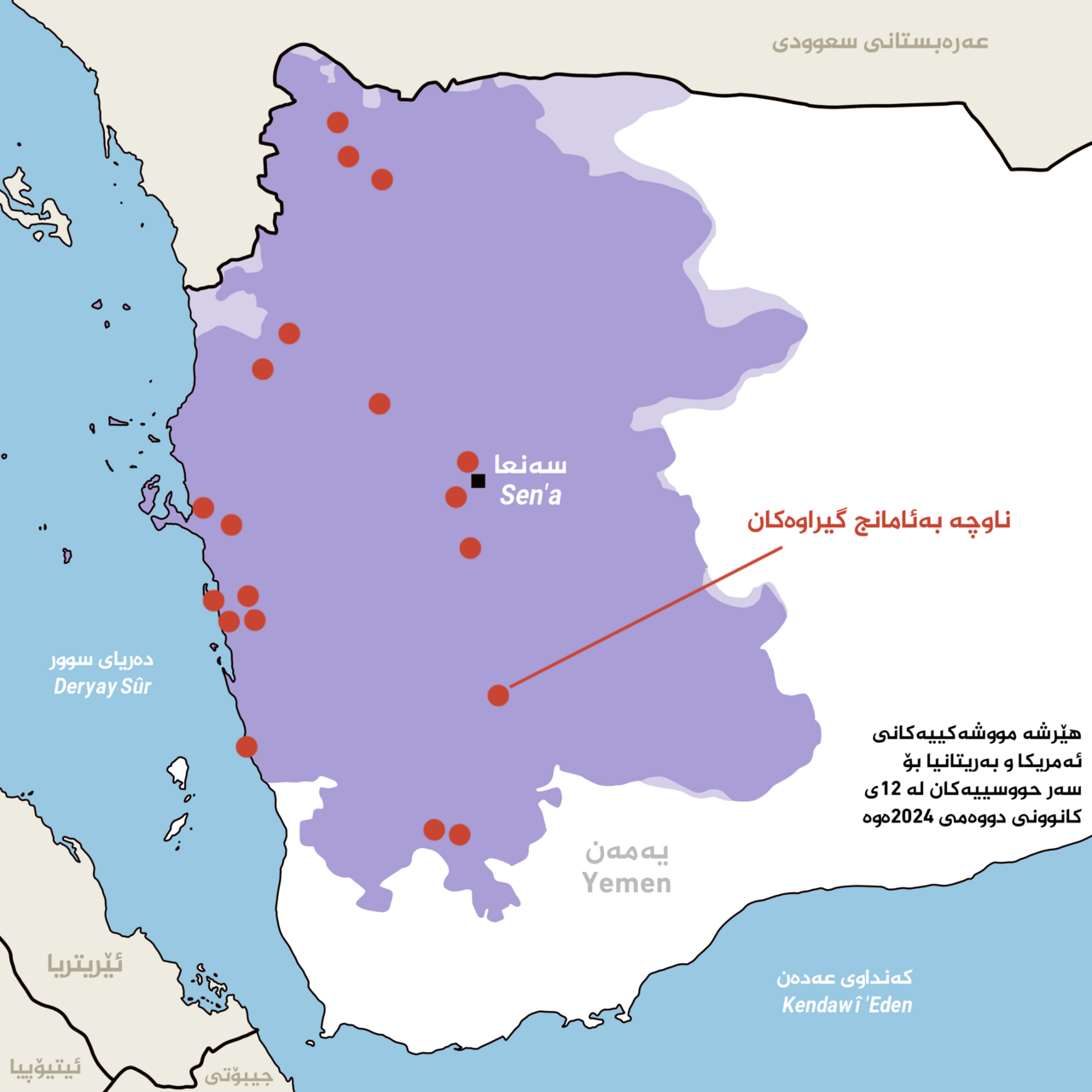
The reported Houthi attack marks one of the deadliest incidents in recent months in Yemen’s ongoing conflict. The Houthis, an armed group based in northern Yemen, have frequently targeted forces aligned with Saudi Arabia. The latest missile strikes have intensified fears that the conflict could spill over into broader regional instability, potentially disrupting shipping lanes in the Gulf.
Market analysts note that even the possibility of restricted access to the Strait of Hormuz is enough to push oil prices higher, as traders anticipate potential supply shortages. For Serbia and its neighbors, who depend on stable energy imports, such developments underscore the vulnerability of global supply chains to regional conflicts far from their borders.
Concerns over the Strait of Hormuz have prompted calls for increased diplomatic efforts to de-escalate tensions in Yemen and the wider Gulf region. However, with violence continuing and no immediate resolution in sight, energy markets are likely to remain sensitive to further disruptions.