Russia’s Ministry of Foreign Affairs Responds to EU Oil Price Cap
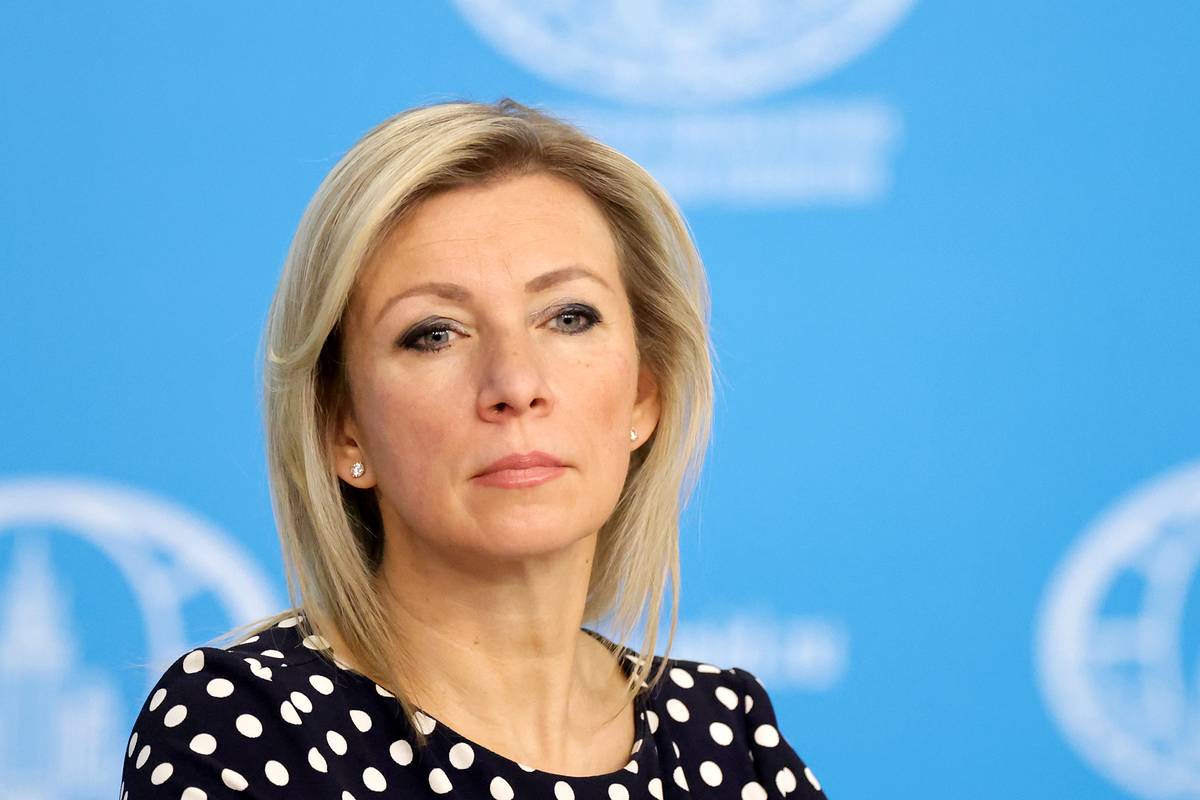
Russia’s Ministry of Foreign Affairs has issued a stern rebuke to the European Union regarding the recent oil price cap imposed on Russian exports. Maria Zakharova, the ministry’s spokesperson, characterized the EU’s actions as arbitrary and reflective of a broader trend of undermining established standards in international energy markets. This latest criticism underscores the escalating tensions between Moscow and the EU, particularly in light of the West’s sanctions against Russia that were enacted in response to its military interventions in Ukraine.
Zakharova emphasized that Russia has become accustomed to the EU’s frequent modifications to rules that govern its fuel and energy sectors, asserting that such changes create instability. She argued that the unpredictability of these regulations is detrimental not only to Russia but also to the global energy market, which relies on consistent and reliable frameworks for trade. The EU’s oil price cap, which aims to restrict Russia’s revenue from oil sales, is part of a comprehensive strategy designed to weaken the Kremlin’s financial standing amid the ongoing conflict. However, Russian officials argue that these measures are misguided and reflect a fundamental misunderstanding of the complexities inherent in global energy dynamics.
The oil price cap, introduced by the EU in an effort to curtail funding for Russia’s military activities, has been met with skepticism from Moscow. Zakharova’s comments reveal a deepening rift between the two entities as they grapple with the intricate web of energy dependencies and geopolitical strategies. The EU remains reliant on Russian oil and gas to fulfill a significant portion of its energy requirements, while Russia is actively seeking alternative markets to mitigate the impact of Western sanctions. This duality of reliance and resistance complicates the ongoing dialogue between the two parties.
In a region where energy resources play a pivotal role in shaping political relationships, the implications of the EU’s price cap extend beyond Russia and the EU. The potential for increased volatility in global energy prices and supply chains looms large, as both sides navigate their respective economic interests and geopolitical posturing. As the conflict in Ukraine continues to influence energy policy, the EU’s strategy to limit Russian oil revenue may inadvertently lead to unforeseen consequences, including potential disruptions in energy supply to European nations.
Furthermore, the ongoing tensions highlight the fragility of energy security in Europe, particularly as the continent seeks to transition to alternative energy sources. The reliance on Russian oil and gas has been a contentious issue within EU member states, with some advocating for a faster shift toward renewable energy while others emphasize the necessity of maintaining stable energy supplies during the transition. This internal division complicates the EU’s collective response to Russian actions and the effectiveness of sanctions.
As the situation continues to evolve, the future of energy relations between Russia and the EU remains uncertain. The economic measures imposed by the EU, including the oil price cap, are likely to shape the geopolitical landscape in the coming months. Both sides appear resolute in their positions, and the ongoing dialogue is fraught with tension, suggesting that any resolution will require careful negotiation and a willingness to address the underlying issues at play.