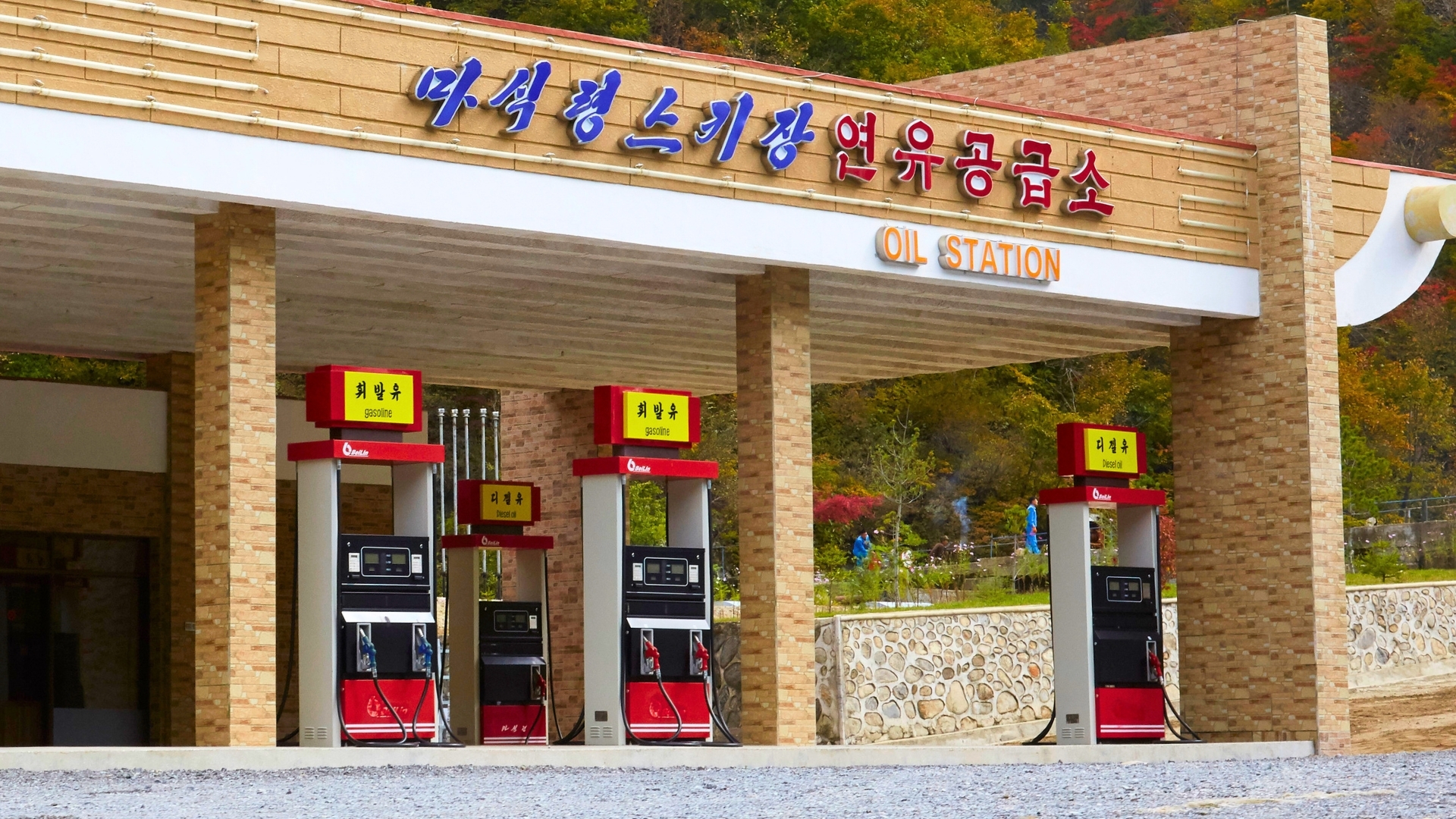
North Korean oil firm — A North Korean oil company, which has been sanctioned by the United Nations, lost $366,000 after being defrauded by a Russian businessman who failed to deliver a promised shipment of gasoline. This information comes from court documents reported by NK News, which detail a legal dispute that lasted nearly ten years. The case highlights the ongoing financial interactions between Russia and North Korea, despite international sanctions that specifically target North Korea’s energy sector.
The North Korean company, which is blacklisted under United Nations Security Council resolutions, paid the Russian businessman for gasoline that was never delivered. After the shipment failed to arrive, the company initiated legal proceedings in Russia. The legal battle stretched over several years, reflecting the difficulties that sanctioned entities face when seeking recourse through foreign courts. In the end, Russian courts found the businessman guilty of fraud and sentenced him to four years in prison.
This case provides a rare glimpse into the challenges faced by North Korean companies as they attempt to conduct international business while under heavy sanctions. The situation also exposes the risks involved in cross-border transactions that take place in the shadow economy, where legal protections can be uncertain and enforcement is complicated by international restrictions.
The episode further illustrates the ongoing, and often opaque, economic connections between Russia and North Korea. Despite facing increasing scrutiny from Western governments and international organizations, both countries continue to engage in various forms of economic exchange. The details revealed in the court documents suggest that, even under the pressure of sanctions, North Korean entities are still able to find partners willing to do business, though not always with reliable outcomes.
Observers in Serbia and the Balkans may see this case as part of a broader pattern in which sanctioned states and their partners attempt to navigate both legal and illicit trade channels. Such cases have implications for regional security and the enforcement of international law, as they demonstrate the difficulties in fully isolating sanctioned entities from the global economy. The North Korean company’s experience in the Russian legal system also highlights the complexities and uncertainties that arise when international sanctions intersect with domestic legal processes.