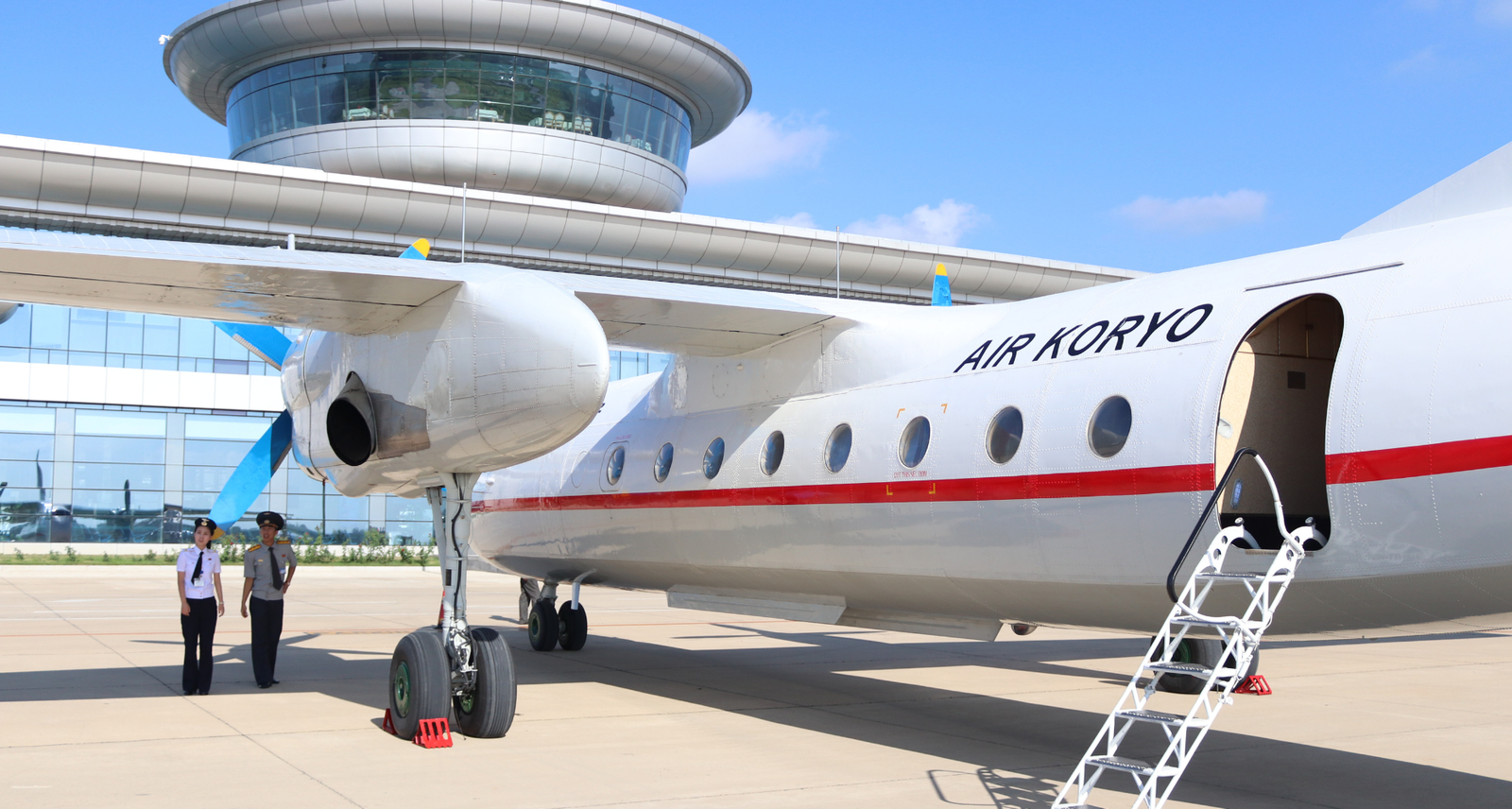
North Korea is officially presenting itself as open to tourists of all nationalities, according to a recent article in a legal journal from the country’s leading academic institution. Despite this claim, the Democratic People’s Republic of Korea (DPRK) remains closed to almost all foreigners except Russian nationals.
The statement appeared in the latest edition of the Journal of Kim Il Sung University, which is regarded as a key source for understanding official North Korean policy. The article, which is undated, asserts that tourism in North Korea is available to everyone “regardless of nationality.” This position, published by the country’s most prestigious academic institution, signals an official stance that, at least on paper, the country’s borders are open to international visitors from any country.
However, the reality on the ground contradicts this position. Since the COVID-19 pandemic, North Korea has maintained strict border controls, effectively barring entry to nearly all foreign visitors. In recent months, there have been reports of limited exceptions for Russian citizens, but no broader reopening has been observed. The country’s borders remain largely closed, and there is no indication that tourists from other countries are being allowed entry at this time.
This discrepancy between the legal journal’s statement and actual practice highlights the opaque nature of North Korean policy. The country’s selective approach to border openings has drawn attention from international observers, particularly as Pyongyang’s relations with Moscow have grown closer in recent years. The limited access granted to Russian nationals stands in contrast to the official claim of universal openness, raising questions about the criteria and motivations behind North Korea’s border policies.
Implications for Serbia and the Balkan Region
For Serbia and the wider Balkan region, North Korea’s stance on tourism and its evolving diplomatic ties may influence broader geopolitical dynamics. As countries in the region assess the implications of Pyongyang’s engagement with select partners, North Korea’s selective approach to tourism and international relations remains under scrutiny. The situation underscores the challenges of interpreting official statements from North Korea, where published policy can diverge sharply from actions on the ground.