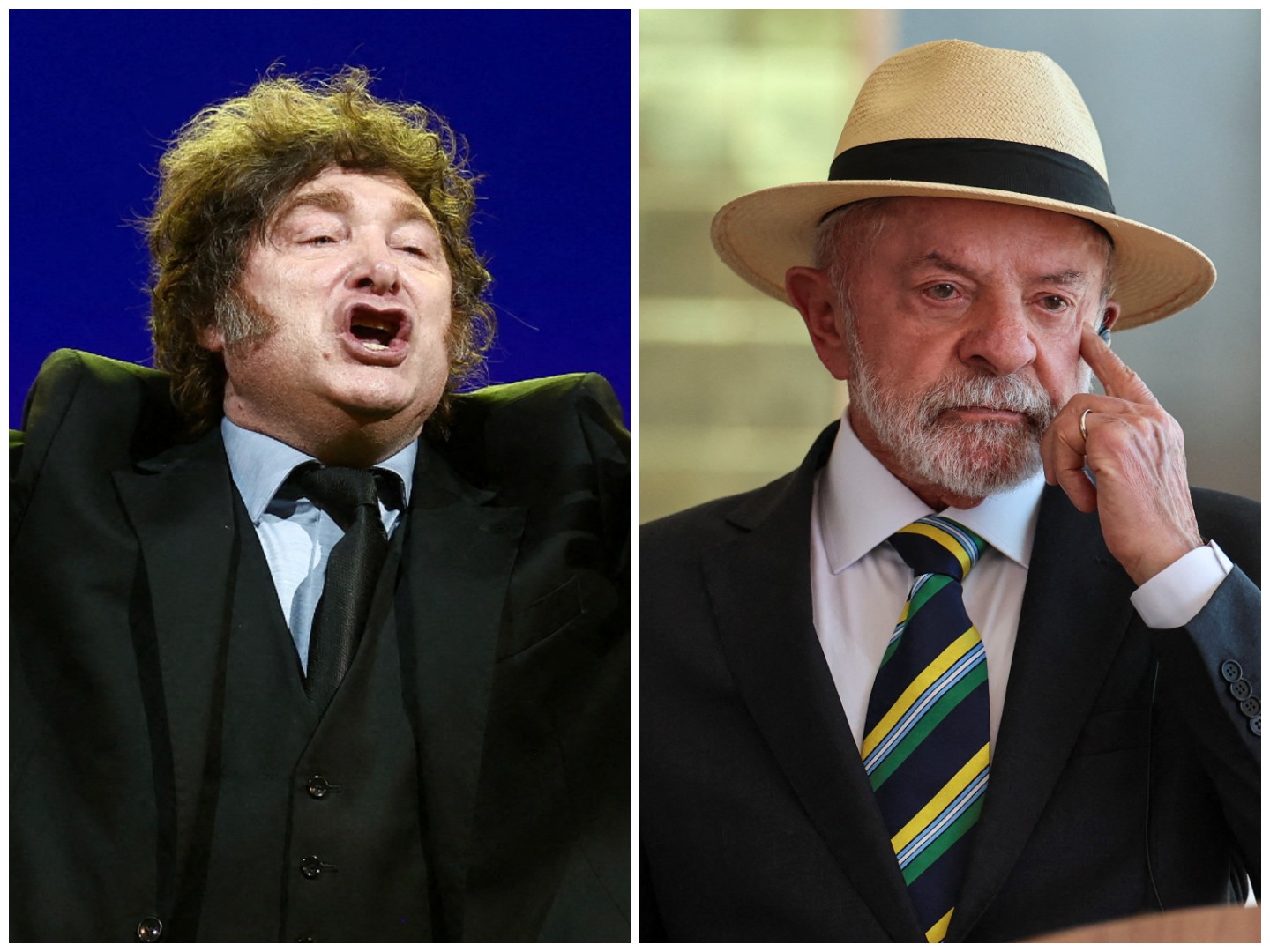
Milei’s Social Media Critique of Lula Escalates Diplomatic Friction
Milei criticizes Lula — Amid rising diplomatic tensions, Argentine President Javier Milei has publicly criticized Brazilian President Luiz Inácio Lula da Silva through a series of social media posts. On July 27, 2026, within a span of just four hours, Milei reposted five messages from his supporters on the platform X, formerly known as Twitter, each aimed at highlighting what he perceives as Lula’s inappropriate involvement in Argentine politics.
The root of this conflict can be traced back to remarks made by Milei at the national convention of Brazil’s Liberal Party (PL) on July 25. During this event, he accused Lula of attempting to meddle in Argentina’s presidential elections, which took place in 2026. In that election, Milei defeated Sergio Massa, a candidate believed to have had Lula’s backing. This accusation has fueled tensions, as Milei asserts that Lula’s actions were aimed at undermining his electoral success.
Among the posts Milei shared, one particularly drew attention by recalling Lula’s controversial visit to former Argentine President Cristina Kirchner, who is currently under house arrest for corruption charges. This meeting, which occurred in July 2025 during a Mercosur summit in Buenos Aires, has been used by Milei’s supporters to question Lula’s credibility. One post starkly stated, “Lula is an ex-convict, and when he visited Argentina, he met with another convicted ally,” framing both leaders as tainted by legal controversies.
Milei’s choice of language has been deliberately provocative, referring to Lula as an “ex-presidiário” (ex-prisoner) and emphasizing his claims of electoral interference. He also shared an official government statement that included an excerpt from a radio interview, where he reiterated his accusations against Lula. This combative rhetoric has only intensified the already strained diplomatic relations between Argentina and Brazil, two of the largest economies in South America.
The diplomatic crisis escalated further when Brazilian Finance Minister Dario Durigan responded to Milei’s comments by calling him a “clown” during an interview on a radio station in Pernambuco. Durigan’s remarks not only questioned Milei’s credibility but also highlighted Argentina’s economic difficulties, noting that the country’s public debt and inflation rates are significantly higher than those of Brazil. This exchange underscores the personal animosities between the leaders, as well as the broader economic disparities that characterize their nations.
In a swift reaction to Milei’s remarks, the Brazilian government summoned the Argentine ambassador in Brasília for clarification, signaling the seriousness of the diplomatic spat. Additionally, Brazil’s ambassador to Argentina was recalled, further indicating a deterioration in relations. Such actions are rare and reflect the level of discord that has emerged between the two countries, which have historically shared both cooperative and contentious moments in their bilateral relations.
This ongoing situation serves as a reminder of the complex dynamics at play in South America, where political rivalries often intertwine with economic interests. As both Argentina and Brazil navigate their respective political and economic landscapes, the fallout from this diplomatic crisis could have implications that extend beyond personal grievances, potentially affecting regional cooperation on issues such as trade, security, and environmental concerns.
As of now, Milei has not publicly addressed Durigan’s derogatory comments, leaving observers to speculate on the next steps in this diplomatic standoff. The unfolding events will likely continue to shape the political discourse in both nations, as leaders and citizens alike grapple with the ramifications of this escalating conflict.