International Force Set to Enter Gaza Amid Ongoing Crisis
In a significant move towards stabilizing the volatile situation in Gaza, Israel has agreed to permit the entry of a multinational security force following a ceasefire proposal from U.S. President Donald Trump. This decision was reached during a meeting of Prime Minister Benjamin Netanyahu’s security cabinet on July 26, 2026, where the legal framework for the deployment of the International Stabilization Force was approved. This development comes at a time when the humanitarian crisis in Gaza has reached alarming levels, exacerbated by two years of conflict stemming from Hamas-led attacks on Israel that began on October 7, 2026.
The mission, which is expected to comprise around 200 personnel from allied nations including Uganda and Morocco, is designed to operate in areas of Gaza that are not under direct Israeli control. However, it is essential to note that each contingent will require individual approval from Israeli authorities to enter the territory, ensuring that Israel maintains a level of oversight over foreign military presence within its borders.
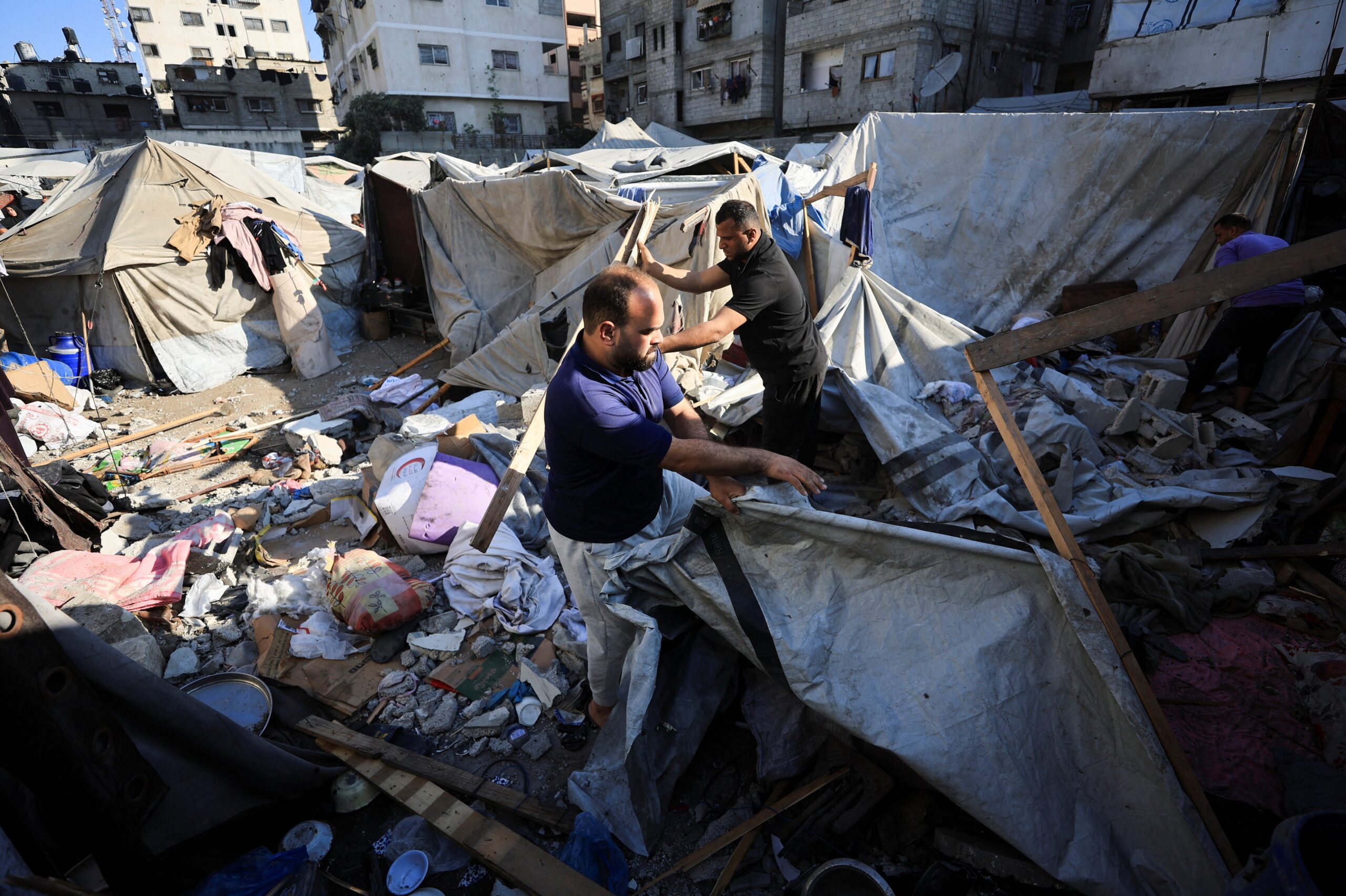
The timeline for the mobilization of these forces remains uncertain, raising questions about when and how effectively they can address the dire conditions on the ground. Currently, Gaza’s infrastructure has suffered extensive damage, leaving much of its two million residents living in precarious circumstances, primarily under the governance of Hamas, which controls roughly 64% of the region. Many residents are enduring life in makeshift shelters or destroyed buildings, highlighting the urgent need for humanitarian assistance.
Trump’s peace plan, introduced after a ceasefire agreement in October, aims not only to increase humanitarian aid but also to establish a civilian administration in Gaza led by Palestinian technocrats. However, progress on this front has stalled, as the National Committee for the Administration of Gaza, created to facilitate these efforts, remains outside the territory. The committee’s inability to operate within Gaza underscores the complexities of governance and the challenges of restoring order in a region fraught with political divisions and ongoing conflict.
Despite ongoing discussions aimed at fostering peace, Hamas has steadfastly refused to disarm, which has led Israel to consider expanding its control over Gaza to 70%. This potential increase in territorial control reflects Israel’s ongoing military strategy to mitigate security threats posed by Hamas. The Trump plan also proposes the establishment of an overarching Peace Council, intended to supervise the implementation of the peace framework and oversee the newly proposed security force, thus adding another layer of international involvement in the region.
Nickolay Mladenov, Trump’s envoy to the Peace Council for Gaza, has publicly expressed support for Israel’s decision to allow the international force to enter. He emphasized that this step is crucial for stabilizing Gaza, aiding in demilitarization efforts, and facilitating the transition to an effective transitional Palestinian administration under the National Committee. Mladenov’s remarks reflect a broader international desire to see a resolution to the crisis, as the humanitarian situation continues to deteriorate.
The deployment of an international force in Gaza represents a complex interplay of security, humanitarian needs, and political maneuvering. As the region grapples with the aftermath of prolonged conflict and the challenges of governance, the success of the International Stabilization Force will depend on its ability to navigate these intricacies while gaining the trust of the local population and the various stakeholders involved.