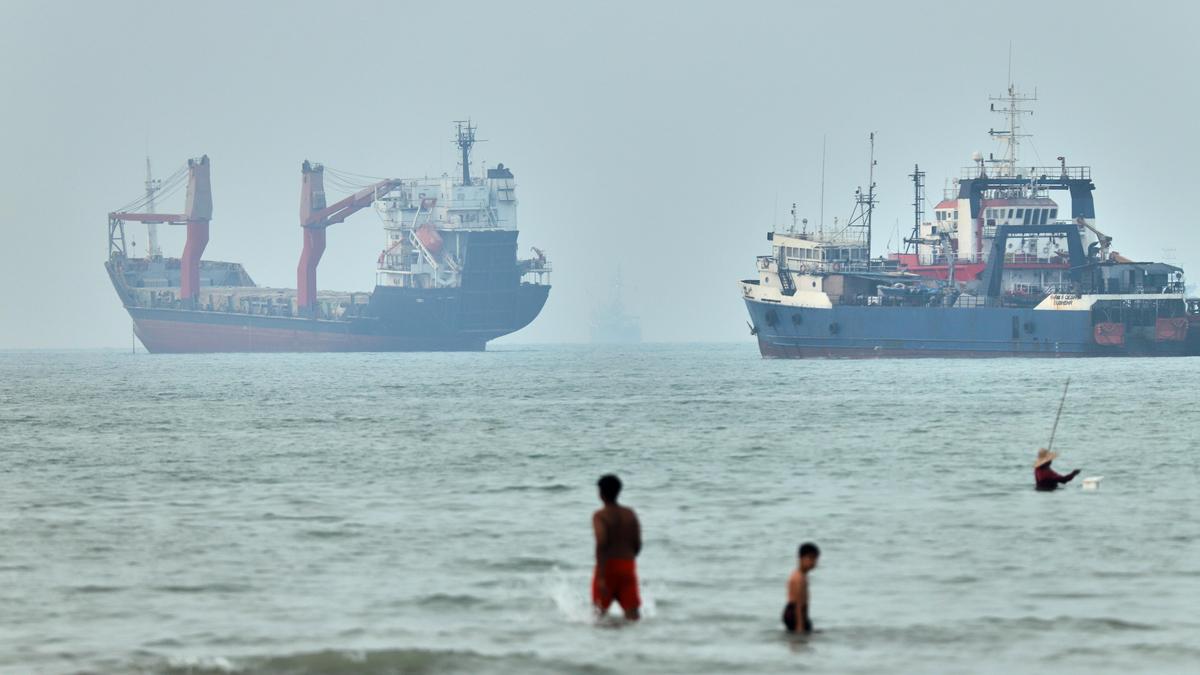
Iran’s Declaration of Control Over Strait Reflects Ongoing Geopolitical Tensions
On July 26, 2026, Iran publicly reaffirmed its control over the strategically significant Strait of Hormuz, a crucial maritime passage through which approximately 20% of the world’s oil shipments flow. This declaration surfaced amid a backdrop of heightened tensions with the United States, yet both nations appeared to temporarily pause military actions, allowing the Gulf shipping industry and global oil markets a momentary reprieve.
The Strait of Hormuz has long been a flashpoint in the fraught relationship between Iran and the US, marked by a history of military confrontations and aggressive posturing. The recent calm follows a series of missile strikes that had escalated fears of potential disruptions to maritime traffic and oil supply chains. In a sign of a possible thaw in relations, Donald Trump’s envoy to the United Nations remarked that the current US administration was allowing a window for diplomatic engagement, suggesting a willingness to explore avenues for dialogue.
Despite this tentative pause in hostilities, Iranian officials have firmly stated their unwillingness to engage in negotiations with Washington. The Iranian government maintains that control over the Strait of Hormuz is non-negotiable, a stance that aligns with its broader strategy to solidify its influence in the region while countering what it perceives as US aggression. This assertion of sovereignty is framed as a necessary measure for protecting both national interests and regional stability, reflecting Iran’s longstanding narrative that emphasizes its military capabilities as a deterrent against external threats.
The United States, conversely, remains vigilant regarding Iran’s military activities, particularly its missile programs, which are viewed as direct threats to both maritime security and regional stability. The recent lull in military actions has provided both countries an opportunity to reassess their positions, but the underlying tensions that characterize their relationship remain unresolved. Iran’s military posture, including its advancements in missile technology, complicates the landscape for future diplomatic efforts, as it raises concerns about the potential for miscalculations that could lead to renewed hostilities.
The international community is closely monitoring the situation, particularly given the Strait of Hormuz’s pivotal role in global energy supplies. Analysts are cautious, noting that while both Iran and the US may prefer to avoid immediate confrontation, the risks of miscalculation are significant. The ongoing developments in Iran’s military capabilities, coupled with the US’s commitment to countering Iranian influence in the Gulf, create a volatile environment that could easily shift back toward conflict.
As the geopolitical landscape evolves, the implications for global oil markets and maritime security are profound. The Strait of Hormuz serves not only as a critical artery for oil transport but also as a barometer for regional tensions. Any disruption in this vital passage could have far-reaching consequences, affecting oil prices and supply chains worldwide. The delicate balance of power in the Gulf region remains precarious, and the potential for renewed conflict looms as both nations continue to navigate their intricate and often adversarial relationship.