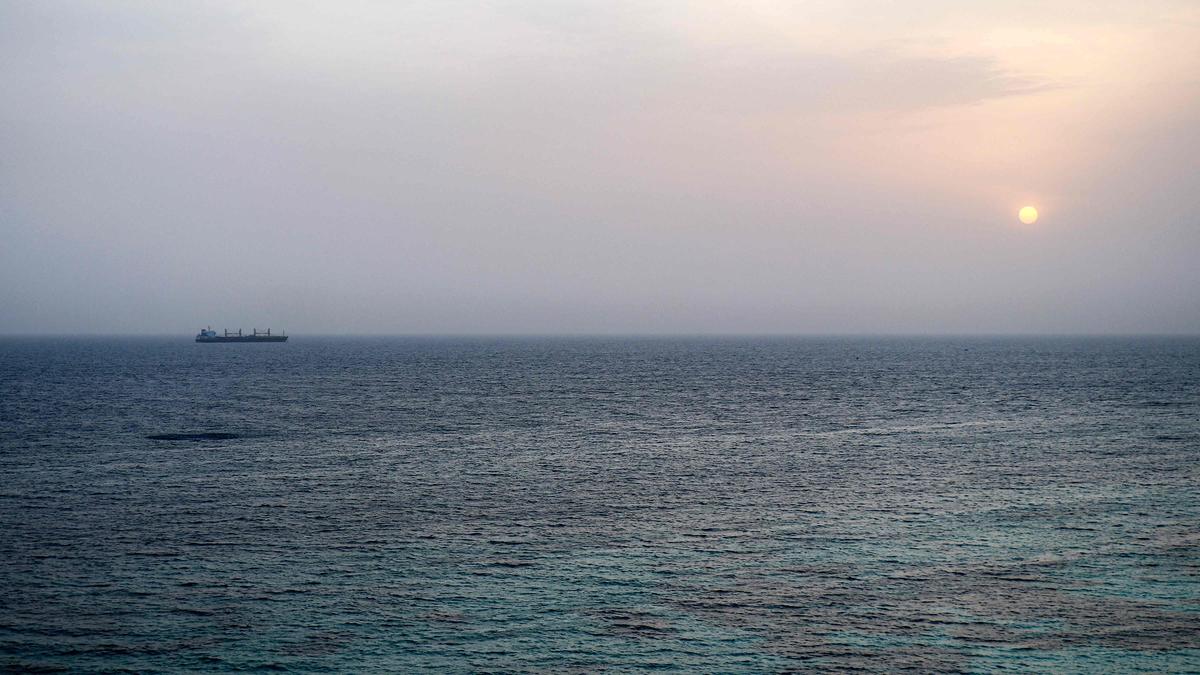
Houthi Blockade Heightens Tensions in the Bab el-Mandeb Strait
Houthi blockade Bab el-Mandeb Strait — The ongoing blockade imposed by the Houthi movement on Saudi Arabia has intensified focus on the Bab el-Mandeb Strait, a crucial maritime route connecting the Red Sea to the Gulf of Aden. This strategic waterway is vital for global shipping, with an estimated 12% of the world’s trade passing through it. Any disruptions in this area can significantly impact international trade, raising concerns among shipping companies and global markets alike.
As tensions escalate in West Asia, the Houthi rebels, who are backed by Iran, have issued threats against shipping in this pivotal corridor. The blockade, which has recently intensified, has prompted alarms among shipping companies, as even minor interruptions can lead to costly detours and increased freight charges. The potential for disruption is particularly alarming at a time when global oil prices are already on the rise, influenced by the ongoing geopolitical tensions in the Middle East.
The Bab el-Mandeb Strait serves as a critical passage for oil and goods, making it one of the busiest maritime traffic corridors in the world. The implications of a blockade or increased military activity in this region are profound; they could lead to heightened risks for vessels navigating these waters. Shippers may be forced to consider alternative routes, which could extend delivery times and inflate costs, further complicating the already fragile state of global supply chains.
In recent weeks, the Houthis have escalated their military actions, launching drone and missile strikes targeting Saudi infrastructure. The Houthis justify these actions as retaliation against the Saudi-led coalition’s military operations in Yemen, a conflict that has persisted since 2015. This protracted war has resulted in a humanitarian crisis in Yemen, contributing to widespread suffering and drawing in regional powers, including Iran and Saudi Arabia, into a complex web of alliances and enmities.
The blockade and the Houthis’ military maneuvers reflect broader geopolitical dynamics, illustrating Iran’s strategic intent to exert influence in the region. By threatening a key maritime route, the Houthis challenge not only Saudi Arabia but also its allies, raising the stakes for regional security. This situation may compel nations to recalibrate their naval security measures in the Red Sea, as the need to protect vital shipping lanes becomes increasingly urgent.
International stakeholders are closely monitoring developments in the Bab el-Mandeb Strait, as the outcome of this conflict could have lasting effects on shipping patterns and regional stability. The potential for increased military engagement in the area poses a risk not only to the vessels traversing the strait but also to the broader economic stability of countries reliant on these shipping routes for oil and goods.
The Houthi blockade highlights the precarious balance of power in the region and underscores the vulnerability of global trade to local conflicts. As the situation continues to unfold, the global community remains vigilant, aware that the implications of this blockade could reverberate far beyond the immediate vicinity of the Bab el-Mandeb Strait, affecting economies and trade routes worldwide.