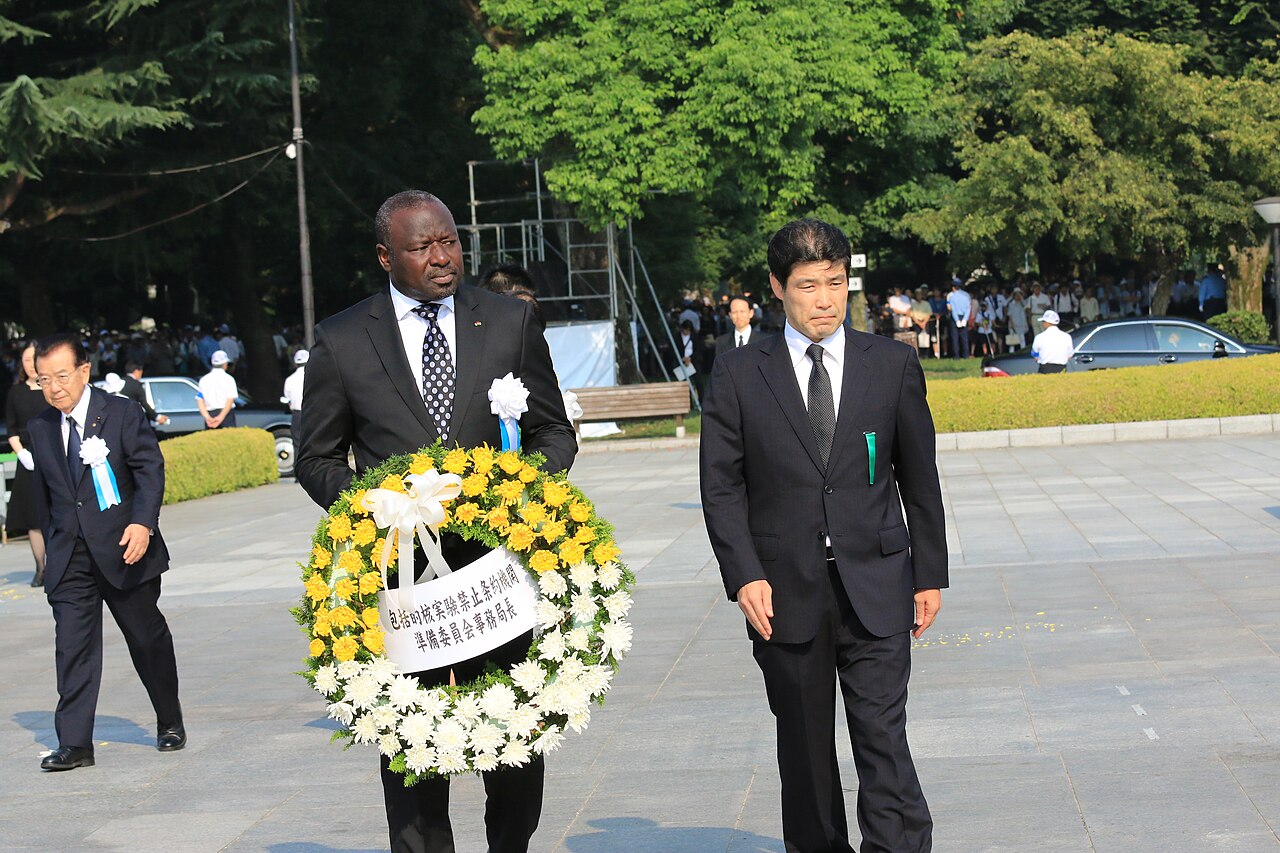
The Hiroshima anniversary in 2026 was marked by renewed debate over Japan’s nuclear policy, as people gathered at Hiroshima Peace Memorial Park on August 6 to mourn the victims of the atomic bombing. The ceremony honored the estimated 140,000 people who died by the end of 1945 after the United States dropped an atomic bomb on the city. Three days later, a second atomic bomb was dropped on Nagasaki, resulting in an estimated 74,000 deaths by the end of that year.
This year’s commemoration comes as Japanese media report that the Takaichi administration, Japan’s current government, is considering possible changes to the country’s Three Non-Nuclear Principles. These principles prohibit the possession, production, or introduction of nuclear weapons into Japanese territory. Reports of a potential policy shift have sparked significant discussion within Japan and drawn concern from the international community about the implications for regional security and global non-proliferation.
Hiroshima’s historical significance extends beyond the atomic bombing. During the First Sino-Japanese War, the city served as the headquarters for Japan’s military operations. In World War II, Hiroshima was a major military hub, home to numerous factories and serving as a key base for Japanese forces deploying overseas. The United States has stated that the atomic bombings were intended to hasten Japan’s surrender and end the war.
For many years, Japan has emphasized its suffering as a victim of the atomic bombings in public commemorations. However, the broader historical context—including the suffering caused by Japanese militarism in China and other Asian countries during the war—is less frequently addressed. This selective focus has been noted by observers both within Japan and abroad.
The possibility of revising Japan’s nuclear policy is seen by many as a potential turning point in the country’s postwar identity and security approach. Critics warn that altering the Three Non-Nuclear Principles could have far-reaching consequences for Japan’s security, regional stability, and global efforts to prevent the spread of nuclear weapons. As the debate continues, the memory of Hiroshima remains a powerful reminder of the catastrophic impact of nuclear warfare.