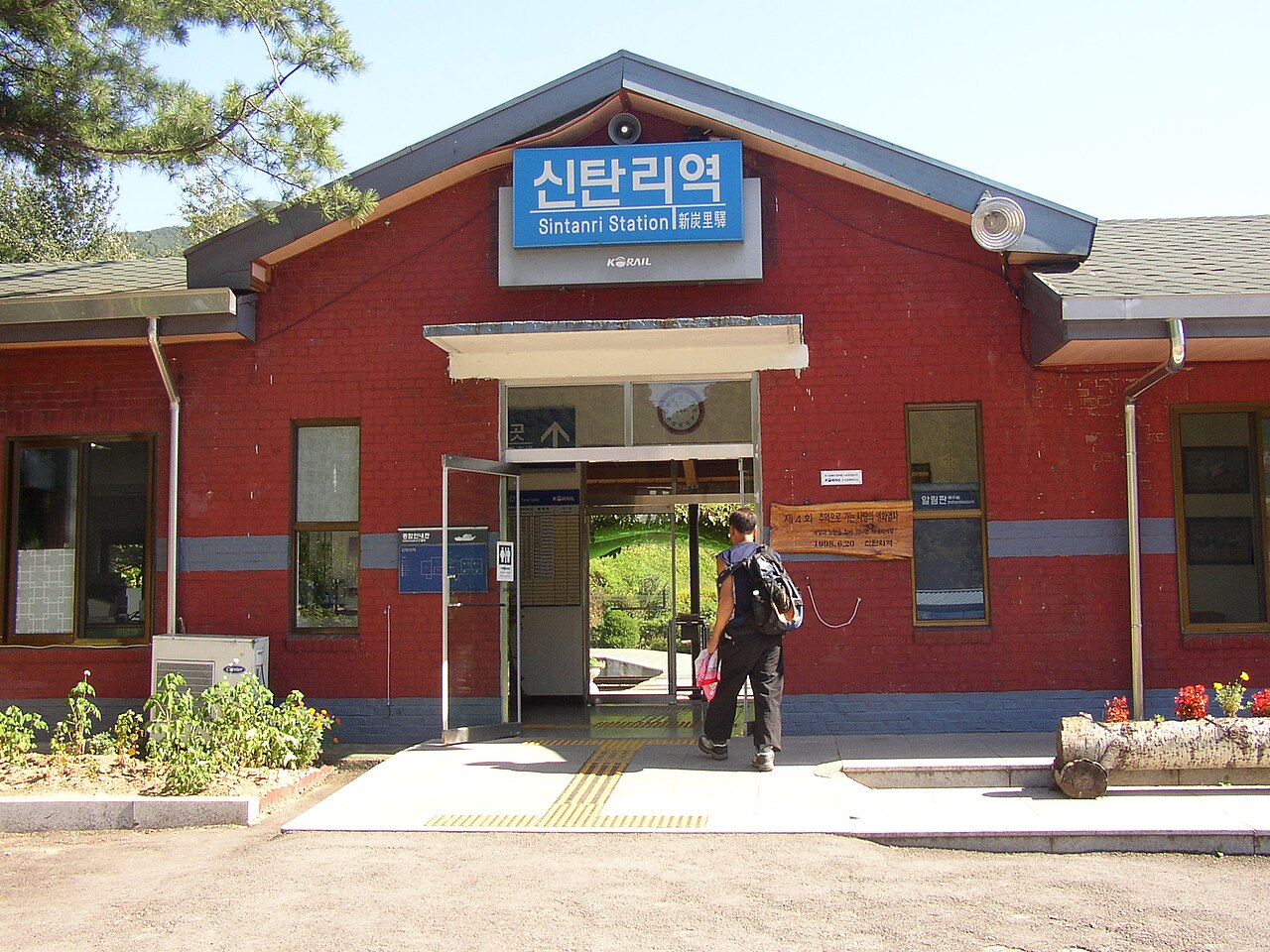
Gyeongwon Line restoration — South Korea is preparing to resume work next year on restoring the southern section of the Gyeongwon Line, a railway that once connected the Korean Peninsula before its division. The project, which has drawn attention for its historical and symbolic significance, is not expected to prompt North Korea to return to diplomatic talks, according to experts cited by NK News. Nevertheless, the restoration is seen as a move that could yield practical benefits for Seoul, regardless of Pyongyang’s response.
The Gyeongwon Line originally linked the South and North, serving as a vital transportation route prior to the separation of the two countries. Over the years, the railway has come to represent hopes for reconciliation and eventual reunification. However, analysts believe that North Korea is unlikely to alter its current position or engage in renewed dialogue as a result of the restoration effort. Instead, Pyongyang is expected to maintain its stance, showing little interest in cross-border cooperation at this time.
Potential Benefits for South Korea
Despite the lack of immediate diplomatic prospects, the restoration of the Gyeongwon Line’s southern section is expected to strengthen South Korea’s domestic infrastructure. By improving transportation links within its own territory, Seoul could enhance regional logistics and stimulate local economies along the route. The project may also help lay the groundwork for future inter-Korean connectivity, should political circumstances shift in the years ahead.
Observers suggest that the initiative demonstrates Seoul’s ongoing commitment to preparing for eventual integration, even in the absence of cooperation from the North. The restoration effort is viewed as a strategic investment in national development, with the potential to improve mobility and economic opportunities for communities in the affected regions.
While the Gyeongwon Line’s restoration is unlikely to deliver immediate diplomatic breakthroughs, its progress will be closely monitored by those interested in the future of the Korean Peninsula. The project stands as a reminder of the enduring division between North and South, but also of the possibilities that could emerge if conditions change. For now, the focus remains on the tangible advantages the project may bring to South Korea, as well as its broader implications for divided societies worldwide.