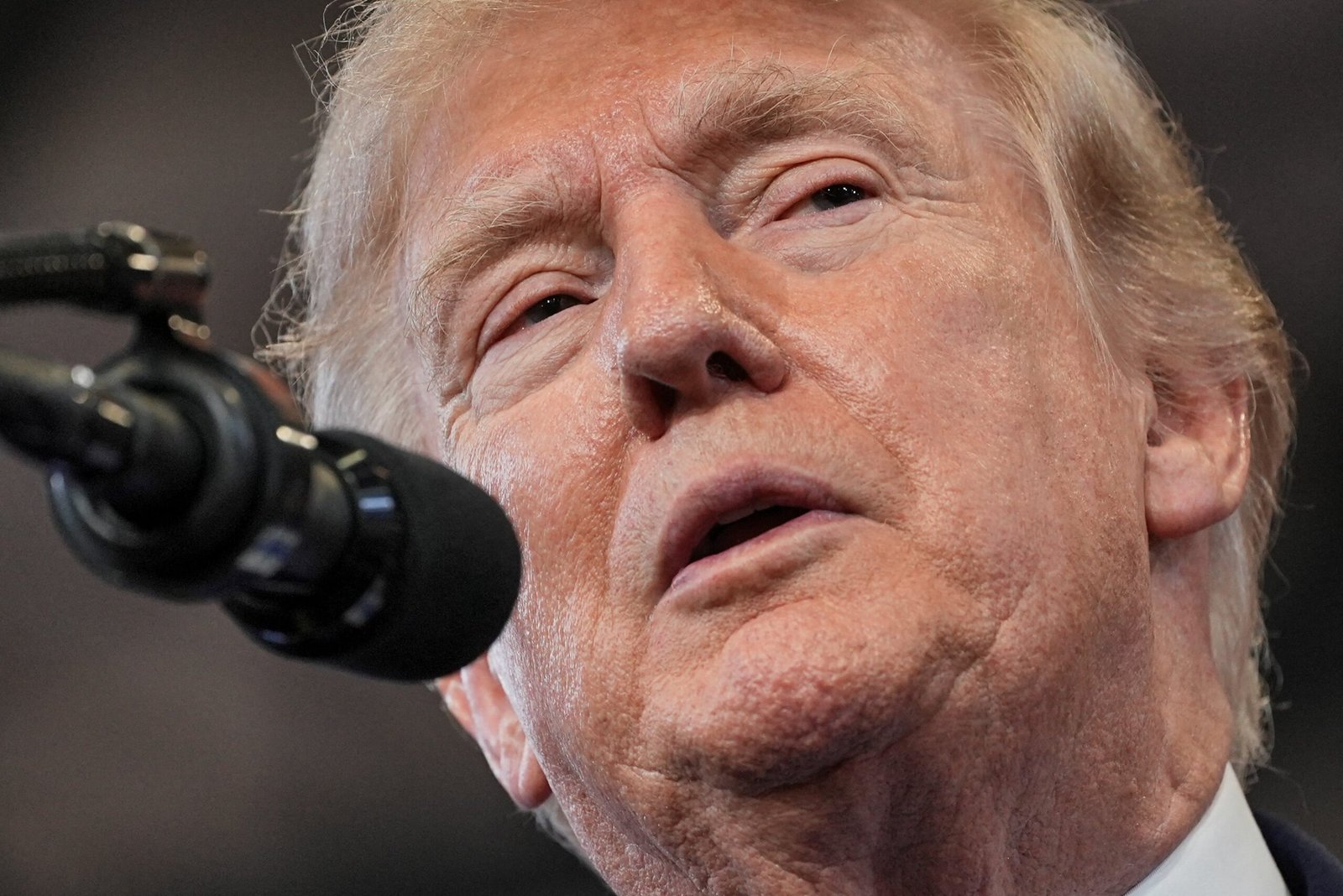
United States President Donald Trump has declared a sweeping “economic war” against Iran, warning that any country aiding the Iranian economy will face severe consequences. The announcement came on August 19, 2026, via Trump’s Truth Social account, where he described the initiative as the “most devastating economic operation ever undertaken against any country.”
Trump stated that the campaign aims to isolate Iran on an unprecedented scale, targeting not only Iranian institutions but also foreign governments, companies, and financial entities that provide any form of support. He specifically mentioned activities such as oil smuggling, money transfers, and the use of front companies, insisting these must stop immediately. However, Trump did not provide details on how the measures would be enforced or what specific penalties would be imposed on countries that continue to do business with Iran.
The president emphasized that the move follows the collapse of negotiations earlier this year between Washington and Tehran over Iran’s nuclear program. Trump claimed the “economic war” would suffocate Iran’s economy and called on all US allies to help “isolate” and “defeat” what he described as the “Iranian threat.”
Global Trade Ties at Risk
There is uncertainty about how effective this new campaign will be, as Iran is already subject to extensive international sanctions. Despite these restrictions, Iran remains a significant player in global trade, particularly as a major oil exporter. According to the World Bank, in 2022 Iran exported goods to 147 countries. China is Iran’s largest trading partner, with bilateral trade totaling $22 billion in exports and $15 billion in imports in 2022. India is the second-largest partner, with $1.34 billion in trade during the first ten months of 2025, focusing on agricultural and pharmaceutical products.
Other major partners include Germany, South Korea, and Japan—all countries aligned with the United States. In January 2026, Trump had already announced a 25% tariff on any country conducting business with Iran, but the new measures appear to go further, threatening broader economic retaliation.
Brazil, while not among Iran’s top 20 trading partners, maintains notable trade links. In 2025, Brazilian companies imported $84.5 million in goods from Iran, mainly urea, pistachios, and dried grapes, while exports to Iran reached $2.9 billion, led by corn, soybeans, and sugar.
The announcement signals a significant escalation in US policy toward Iran, with potential ripple effects for global trade and diplomatic relations, including for countries in the Balkans and beyond that may have economic ties to Iran.