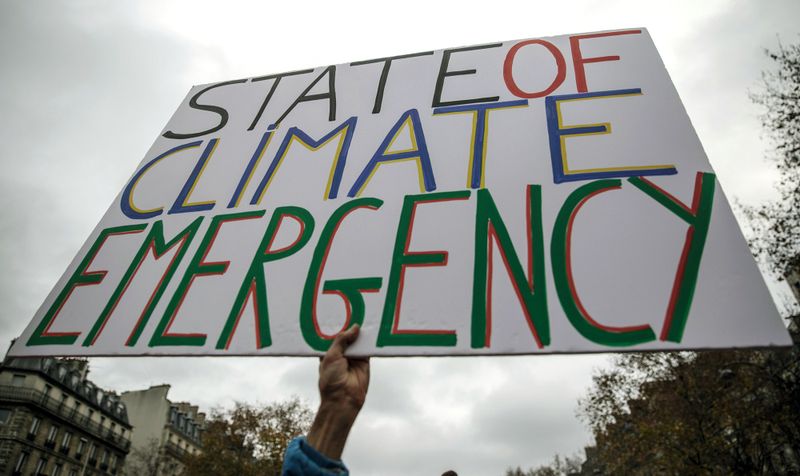
A confidential UK security report has raised alarms about the risk of climate-driven ecosystem collapse across Europe, warning that such a crisis could disrupt food supplies, alter migration patterns, and threaten global stability. The report, which critics say has been largely ignored by political leaders, comes as Europe experiences a surge in extreme heatwaves and wildfires.
According to the report, the accelerating pace of climate change is pushing European ecosystems toward a tipping point. The document warns that the collapse of natural systems could have cascading effects, including widespread agricultural failures and increased displacement of populations. These developments, the report suggests, would not only affect Europe but could also trigger instability in neighboring regions.
Political Hesitation Amid Escalating Risks
Despite the urgency highlighted in the report, critics argue that European governments are downplaying the findings to avoid political fallout. They claim that warnings about the potential for food shortages and mass migration are being buried, even as wildfires and record-breaking temperatures become more frequent across the continent. The reluctance to address these risks openly, according to observers, is delaying the implementation of necessary climate adaptation and mitigation strategies.
As the effects of climate change intensify, the report’s warnings are gaining renewed attention from environmental advocates and security analysts. They stress that failure to act could have far-reaching consequences, not only for Europe but also for countries in the Balkans and beyond, where food security and migration pressures are already sensitive issues. The situation underscores the growing intersection of environmental crises and geopolitical stability.
Europe has recently witnessed a series of extreme weather events, with heatwaves and wildfires affecting multiple countries. These incidents have brought renewed scrutiny to the warnings contained in the suppressed report. Environmental advocates argue that the risks outlined in the document are no longer hypothetical, pointing to the increasing frequency of climate-related disasters as evidence that the region is already experiencing the early stages of ecosystem stress.
Security analysts echo these concerns, emphasizing that disruptions to food production and large-scale population movements could have destabilizing effects beyond Europe’s borders. They warn that the failure to address these challenges could exacerbate existing tensions in regions where resources are already strained.
Critics maintain that political leaders are prioritizing short-term stability over long-term resilience, choosing to minimize public discussion of the report’s findings. They argue that this approach leaves societies unprepared for the potential consequences of unchecked climate change, and call for greater transparency and decisive action to mitigate the risks identified in the confidential assessment.