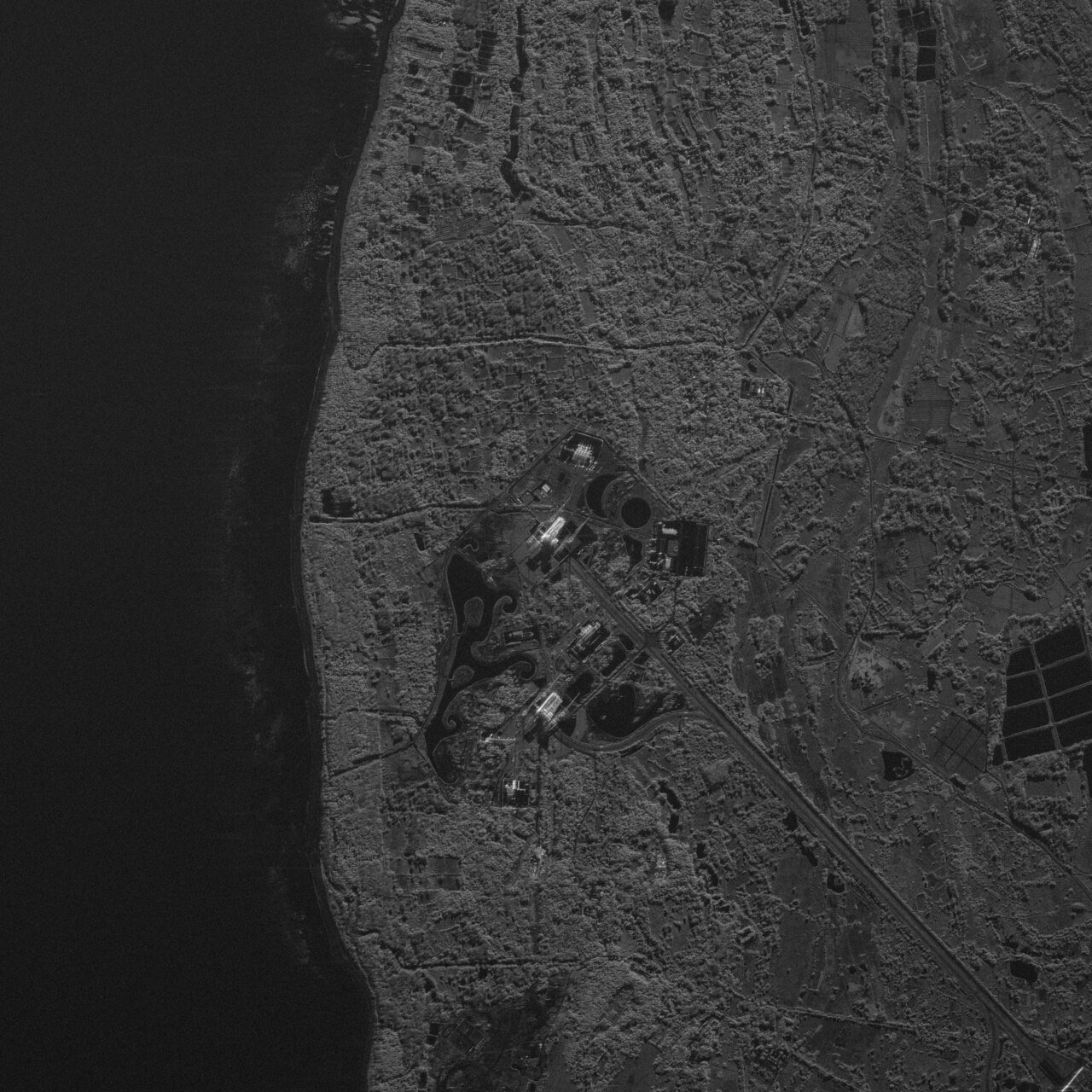
China has unexpectedly postponed the launch of its Chang’e-7 lunar mission, which was originally set to lift off in the coming days from the Wenchang Space Launch Site on Hainan island. The delay affects one of the country’s most ambitious efforts to explore the Moon, and no new launch date has been announced by officials.
The Chang’e-7 spacecraft is a key part of China’s ongoing lunar exploration program, which has attracted international attention for its rapid progress and technological achievements. The mission was expected to focus on the Moon’s south pole, an area that has become a major target for space agencies around the world due to the potential presence of water ice and other valuable resources. The south pole region is considered especially significant for future lunar exploration and possible resource utilization.
Officials have not provided specific reasons for the postponement, and it remains unclear whether the delay is due to technical, logistical, or other challenges. The Wenchang Space Launch Site, situated on the southern coast of China, has played a central role in the country’s recent space activities, including launches related to lunar and Mars missions. The facility has become the primary site for major Chinese space launches, underscoring the importance of the Chang’e-7 mission within the broader program.
The delay comes at a time when several countries are intensifying their own lunar exploration efforts. The United States, India, and Russia are among those pursuing missions to the Moon, with particular interest in the south pole region. The competition to reach and study this part of the lunar surface has become a focal point in the current phase of space exploration, with potential implications for scientific discovery, technological development, and the future use of lunar resources.
China’s lunar program has previously achieved notable milestones, including the landing of the first spacecraft on the far side of the Moon. The postponement of the Chang’e-7 mission is likely to be closely monitored by international observers, as it may have an impact on the timelines and plans of other missions targeting the same region. The delay adds a new element of uncertainty to the ongoing race to explore and utilize the Moon’s south pole.