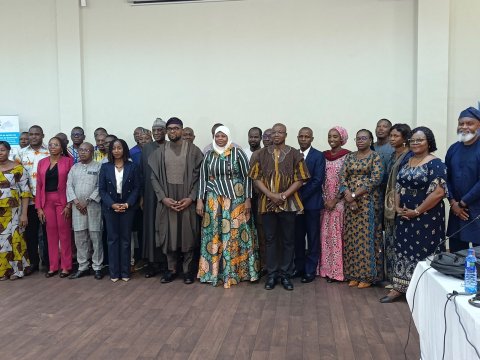
Burkina Faso and Nigeria have taken a decisive step toward deepening their digital cooperation, as officials from both countries met in Ouagadougou on August 12, 2026, to discuss joint initiatives. The meeting brought together Dr Bosun Tijani, Nigeria’s minister responsible for communications, innovation, and the digital economy, and Dr Aminata Zerbo/Sabané, Burkina Faso’s minister for digital transition, posts, and electronic communications.
Welcoming Tijani to Ouagadougou, Zerbo/Sabané described the visit as a natural continuation of earlier talks in Abuja during the seventh session of the African Telecommunications Union plenipotentiaries. She emphasized the need for both countries to move beyond commitments and focus on structural projects that can accelerate digital transformation and deliver visible results quickly.
Tijani echoed this sentiment, stating that the Nigerian delegation’s visit aimed to give new momentum to digital cooperation. He highlighted the importance of identifying practical opportunities for collaboration, inspired by the vision shared by his Burkinabè counterpart. According to Tijani, this approach could benefit not only Burkina Faso and Nigeria but also the broader West African region and the continent as a whole. He called on African leaders to prepare the continent’s young population for future opportunities by leveraging digital technologies.
Joint Efforts for Digital Transformation
Zerbo/Sabané stressed that digital technologies, especially artificial intelligence, offer African countries a major opportunity to accelerate socio-economic development and improve living standards. However, she noted that success depends on building robust infrastructure, improving connectivity, developing local skills, and ensuring cybersecurity. She argued that the scale of these challenges makes regional cooperation essential, as no single country can address them alone.
During the session, Jumoke Akande, coordinator of Project Bridge, presented Nigeria’s experience in expanding connectivity, artificial intelligence, and digital transformation. The discussions focused on key initiatives, including Burkina Faso’s twelve major digital transformation projects and Nigeria’s ambitious connectivity plans, which aim to strengthen links with neighboring countries.
Both delegations agreed that the time has come to move from political will to concrete action, with a shared roadmap and projects designed to deliver tangible impact across the region.