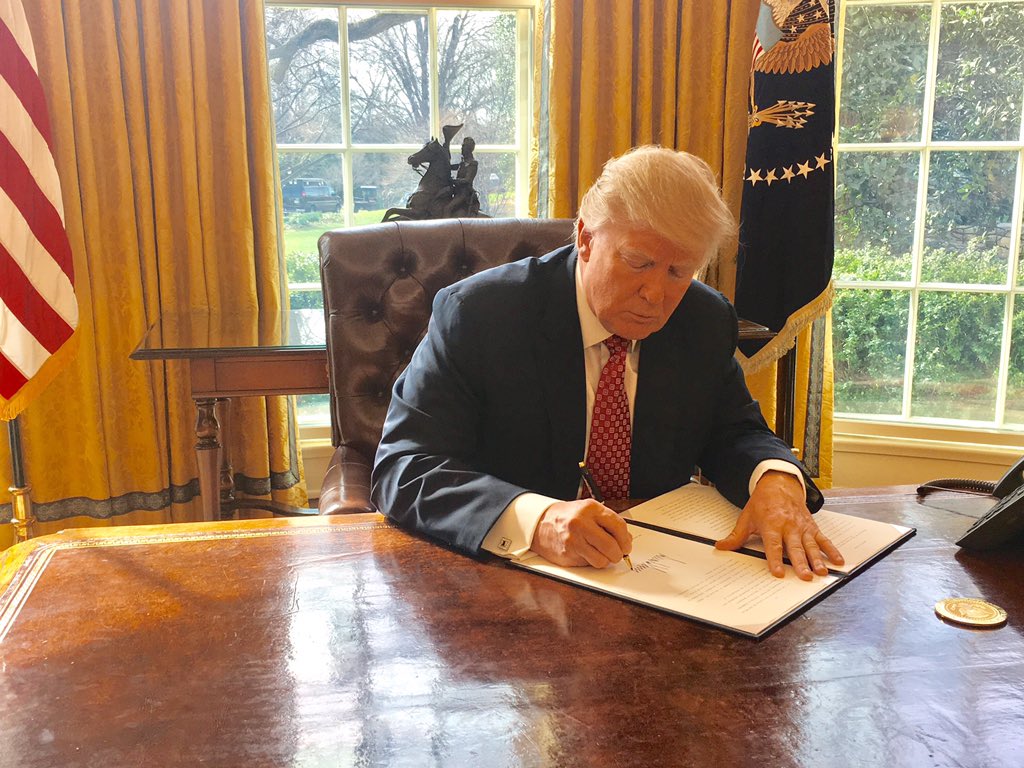
President Donald Trump has signed a series of executive orders designed to restrict birthright citizenship in the United States, with a particular emphasis on addressing the phenomenon known as “birth tourism.” The new measures, announced this week, are intended to prevent individuals from traveling to the U.S. primarily to give birth so that their children can automatically acquire American citizenship.
One of the executive orders specifically targets people involved in commercial birth tourism. This practice typically involves businesses that arrange travel and accommodations for pregnant women who wish to give birth in the United States. The order seeks to deny entry to such individuals, making it more difficult for them to obtain visas or be admitted at the border. Officials have stated that consular staff will be instructed to scrutinize visa applications more closely if they suspect that the applicant’s main purpose for visiting the U.S. is to give birth on American soil.
Supporters of these new restrictions argue that they are necessary to protect the integrity of U.S. citizenship laws and to prevent what they see as exploitation of the system. They claim that commercial birth tourism undermines the intent of existing laws by allowing individuals with no lasting ties to the United States to secure citizenship for their children through a legal loophole.
On the other hand, critics have raised concerns that the executive orders could result in discrimination against pregnant women and may be challenged in court. They point out that birthright citizenship is guaranteed by the Fourteenth Amendment of the U.S. Constitution, which grants citizenship to all persons born or naturalized in the United States. Opponents argue that any attempt to restrict this right could face significant legal obstacles and may be seen as an overreach of executive authority.
The impact of the decision is expected to extend beyond the United States. Observers suggest that these new rules could influence migration patterns and spark similar debates in other countries. In regions such as the Balkans, where questions of citizenship and nationality have long been contentious, the issue of citizenship by birth has also led to controversy. The move by the United States may prompt renewed discussion about how countries define and regulate citizenship, especially in areas with complex histories of migration.