Severe Wildfires Lead to Significant Damage and Evacuations in Eastern Washington
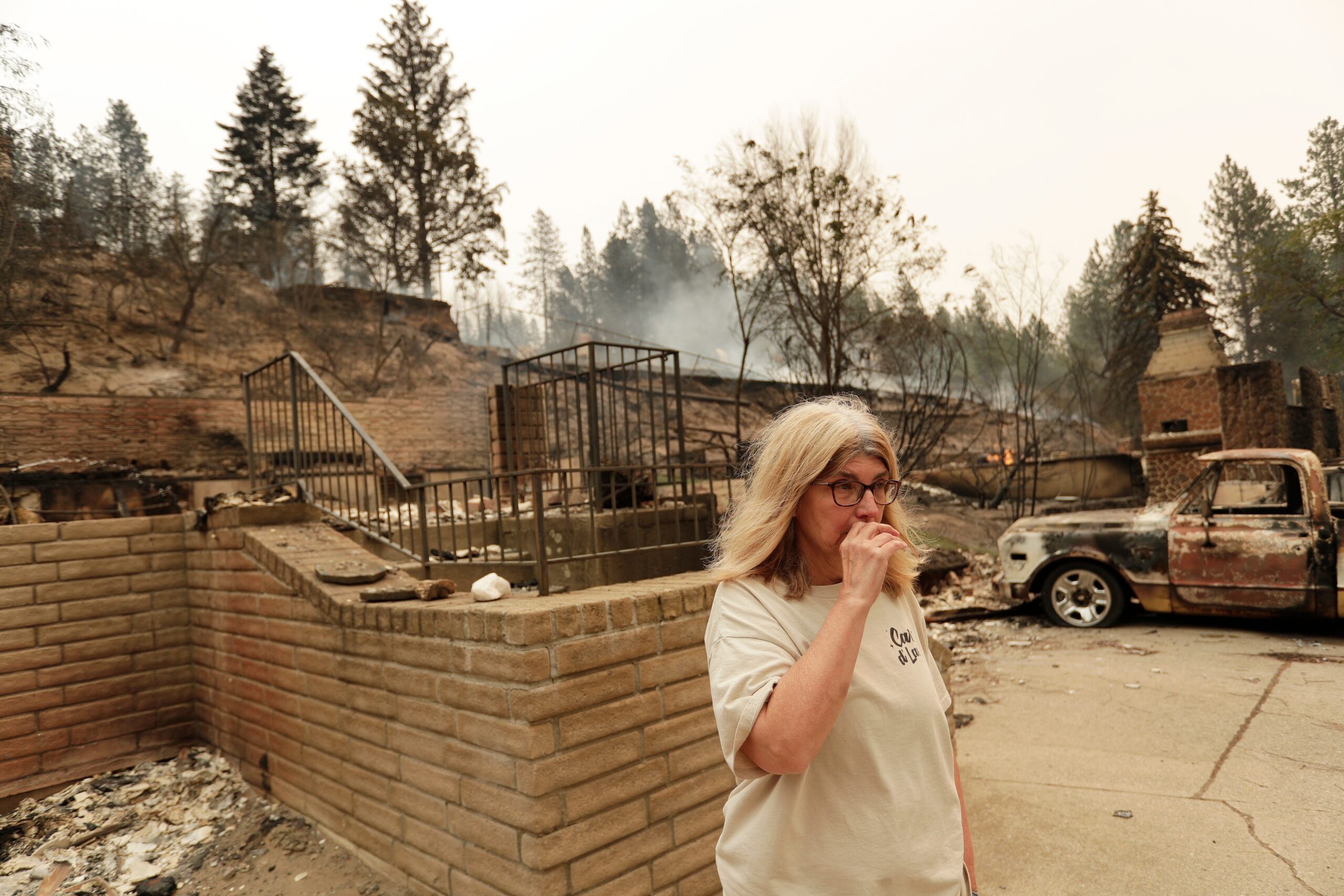
Washington State wildfires — Wildfires sweeping across eastern Washington State have wreaked havoc, destroying approximately 600 homes and businesses and forcing the evacuation of around 5,000 properties as of August 2, 2026. The most intense flames are concentrated near Spokane, the state’s second-largest city, where over 21 square kilometers have been consumed by fire. This alarming situation reflects a broader trend of increasing wildfire activity across the western United States, which has become a recurring challenge for local and federal authorities.
In response to the escalating crisis, a multi-agency effort has been mobilized, involving local, state, and federal firefighting teams. Despite the extensive damage, officials have reported no fatalities in the affected areas to date. However, the firefighters face significant obstacles due to challenging weather conditions. Although temperatures are forecasted to remain below 27°C, strong winds ranging from 56 km/h to 72 km/h are expected, creating ideal conditions for the fires to spread rapidly.
Benjamin Cossel, a spokesperson for the federal firefighting team dispatched from California, emphasized the dual challenges posed by the weather and the rugged terrain of the Spokane region. The geography of Spokane, characterized by canyons and steep slopes, not only accelerates wind speeds but also facilitates the quick advancement of flames. In light of these conditions, Washington Governor Bob Ferguson declared a state of emergency, underscoring the seriousness of the situation and the need for a coordinated response.
Three major fires are currently of particular concern: the Old Trails Fire, the Fairview Fire, and the Meadowview Fire. Each of these blazes poses unique threats to both life and property. As a precautionary measure, local authorities have established a shelter at Spokane’s main convention center to accommodate displaced residents. This move highlights the human impact of the wildfires, as many families are now facing uncertainty about their homes and livelihoods.
The situation is not isolated to Washington State; the broader Northwest region is experiencing similar challenges, with additional large fires burning in less populated areas. One fire located approximately 129 kilometers from Spokane has already scorched around 544 square kilometers, while another blaze in the Stinkingwater Mountains of eastern Oregon has consumed about 870 square kilometers. This interconnected web of wildfires illustrates the widespread nature of the crisis affecting the region.
Keila Vizcarra, also a spokesperson for the federal firefighting team, pointed out that the entire Northwest region is currently under severe strain. Firefighting teams are engaged in efforts to control a fire that has burned approximately 1,360 square kilometers of pastureland across western Idaho and eastern Oregon. This fire threatens numerous farms and ranches, further complicating the situation for local agricultural communities already grappling with the ongoing drought conditions that have exacerbated the fire risk.
The challenges posed by these wildfires extend beyond immediate firefighting efforts. The destruction of homes and businesses has significant implications for the local economy and community cohesion in Spokane and surrounding areas. Many residents are now forced to seek temporary shelter, while businesses face the prospect of prolonged closures, affecting livelihoods and local commerce.
As firefighting efforts continue, the situation remains fluid, with officials urging residents to remain vigilant and adhere to evacuation orders. The interplay of natural disaster and human response underscores the ongoing need for preparedness and resilience in the face of increasing wildfire threats, a reality that many in the western United States have come to know all too well.