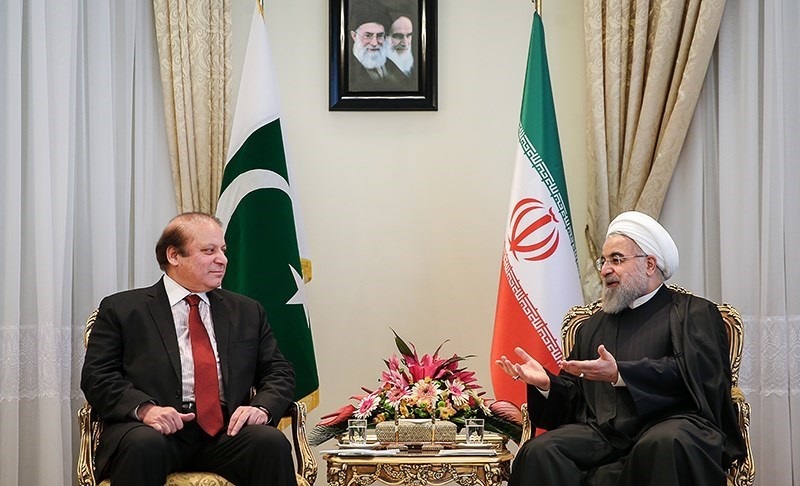
Enduring Partnership Amidst Geopolitical Pressures
In a recent address in Islamabad, Iranian Ambassador to Pakistan Reza Amiri Moghadam reaffirmed the resilience of the long-standing relationship between Iran and Pakistan, asserting that external challenges will not diminish the partnership. His remarks highlight a commitment to mutual respect and sincere interaction, which he described as exemplary for regional cooperation in South Asia, a region often marked by complex political dynamics.
Both Iran and Pakistan have faced significant external pressures in recent years, including geopolitical tensions and economic sanctions. The United States has imposed stringent sanctions on Iran primarily due to its nuclear program, which has had a profound impact on its economy and international relations. Concurrently, Pakistan has been navigating its own economic challenges while striving to enhance its ties with China, particularly through the China-Pakistan Economic Corridor (CPEC). This initiative is central to Pakistan’s strategy for economic development and regional connectivity, yet it also places the country in a delicate position as it balances its relationships with global powers.
Ambassador Moghadam emphasized the importance of dialogue and cooperation as essential strategies for both nations in overcoming these challenges. He posited that the commitment to fostering a more integrated regional approach is crucial not only for bilateral relations but also for the broader stability of South Asia. This region, which has historically been fraught with conflict and rivalry, stands to benefit from collaborative efforts aimed at addressing common security threats and economic development goals.
The ambassador’s statements come at a time when the geopolitical landscape is increasingly influenced by the strategic interests of larger powers. For instance, Iran’s ongoing isolation due to sanctions has prompted it to seek closer ties with neighboring countries, including Pakistan. Meanwhile, Pakistan’s pivot towards China, as evidenced by its active participation in the Belt and Road Initiative, has significant implications for its foreign policy and regional alliances. Moghadam’s comments suggest that despite these complex dynamics, both nations are determined to maintain their partnership, which could serve as a stabilizing force in the region.
The historical context of Iran-Pakistan relations is rooted in shared cultural and religious ties, which further enhance their diplomatic engagement. Both countries are predominantly Muslim and share ethnic and linguistic connections, particularly in their border regions. This cultural affinity has historically facilitated cooperation in various sectors, including trade, security, and energy. As such, the Iranian envoy’s confidence in their partnership reflects a deep-seated understanding of the socio-cultural dynamics that underpin their relationship.
Looking ahead, the enduring relationship between Iran and Pakistan is poised to play a pivotal role in shaping the geopolitical landscape of South Asia. As both countries confront shared challenges, their collaboration may yield significant benefits not only for their respective nations but also for regional security and economic development. Moghadam’s remarks serve as a reminder of the potential for cooperation amidst adversity, signaling a path forward that prioritizes dialogue and mutual respect over division and conflict.
In conclusion, as Iran and Pakistan navigate the complexities of their external environments, their commitment to maintaining a strong partnership could provide a model for other nations in the region. The resilience of their ties, underscored by shared interests and cultural connections, may serve as a beacon of hope for enhanced regional cooperation in the face of ongoing challenges.