Iran’s Military Strategy Emphasizes Space and Intelligence for Future Conflicts
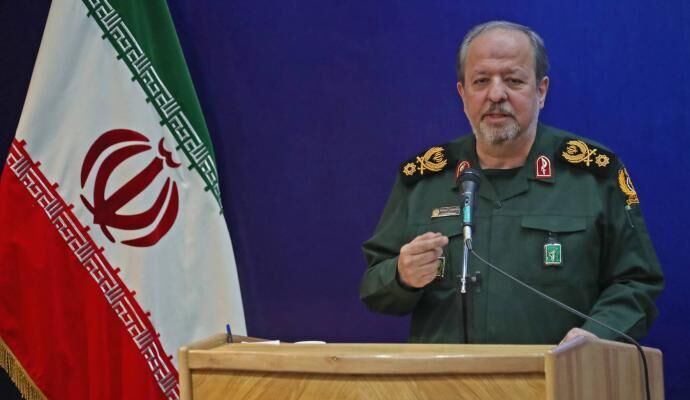
Iran military strategy — Tehran’s military strategy is currently undergoing a significant transformation, with a pronounced emphasis on space technology and intelligence superiority, according to Iran’s Caretaker Defense Minister Brigadier General Majid Ebn al-Reza. Speaking at a defense conference in Tehran, he outlined that these domains, alongside the defense economy and industrial resilience, are critical for Iran’s preparedness for future conflicts. This shift in strategy comes at a time when Iran faces increasing regional tensions and threats, particularly from adversaries such as Israel and the United States, who maintain advanced military capabilities.
In his address, Ebn al-Reza underscored that the integration of space technology into military operations will enhance Iran’s capabilities in surveillance, reconnaissance, and communications. This focus on space is particularly significant for Iran, which has been developing its satellite capabilities as part of a broader strategy to bolster its defense posture. The minister highlighted that enhancing space capabilities will not only improve Iran’s situational awareness but also allow for more effective coordination of military assets. This is especially crucial given the high-stakes environment in the Middle East, where rapid developments can alter the balance of power.
The emphasis on intelligence superiority was another key point made by Ebn al-Reza, who asserted that modern warfare increasingly depends on effective intelligence-gathering capabilities. He stated that Iran is committed to strengthening its ability to anticipate and respond to threats effectively. The significance of this commitment is underscored by the ongoing intelligence battles in the region, where information can be a decisive factor in military engagements. Iran’s approach aligns with global trends, where nations are increasingly turning to data analytics and intelligence to inform strategic decisions and enhance operational effectiveness.
Furthermore, Ebn al-Reza highlighted the importance of a robust defense economy, which he described as vital for sustaining military operations and ensuring long-term resilience against sanctions and economic pressures. Iran has faced extensive sanctions, particularly from Western nations, which have significantly impacted its defense industry. The minister’s remarks indicate a strategic pivot towards self-sufficiency in defense production, aiming to reduce reliance on foreign military supplies. This shift is particularly relevant as Iran seeks to navigate a challenging economic landscape while maintaining its military capabilities.
Industrial resilience, as outlined by Ebn al-Reza, refers to Iran’s commitment to enhancing its domestic defense manufacturing capabilities. This aspect is crucial for maintaining operational readiness, especially in a geopolitical landscape where military conflicts can arise suddenly. By focusing on domestic production, Iran aims to fortify its military infrastructure against potential disruptions caused by international sanctions or conflicts. This strategy also reflects a broader trend in the region, where countries are increasingly investing in their defense industries to reduce vulnerability to external pressures.
As Iran continues to navigate a complex regional environment, its emphasis on space, intelligence, and economic resilience will likely shape its military posture in the coming years. The strategic evolution outlined by Ebn al-Reza reflects a broader recognition of the changing nature of warfare, where technological advancements play a pivotal role in determining military effectiveness. The Iranian military’s focus on these areas is not only a response to immediate threats but also a long-term strategy aimed at securing its position in an increasingly competitive geopolitical landscape.