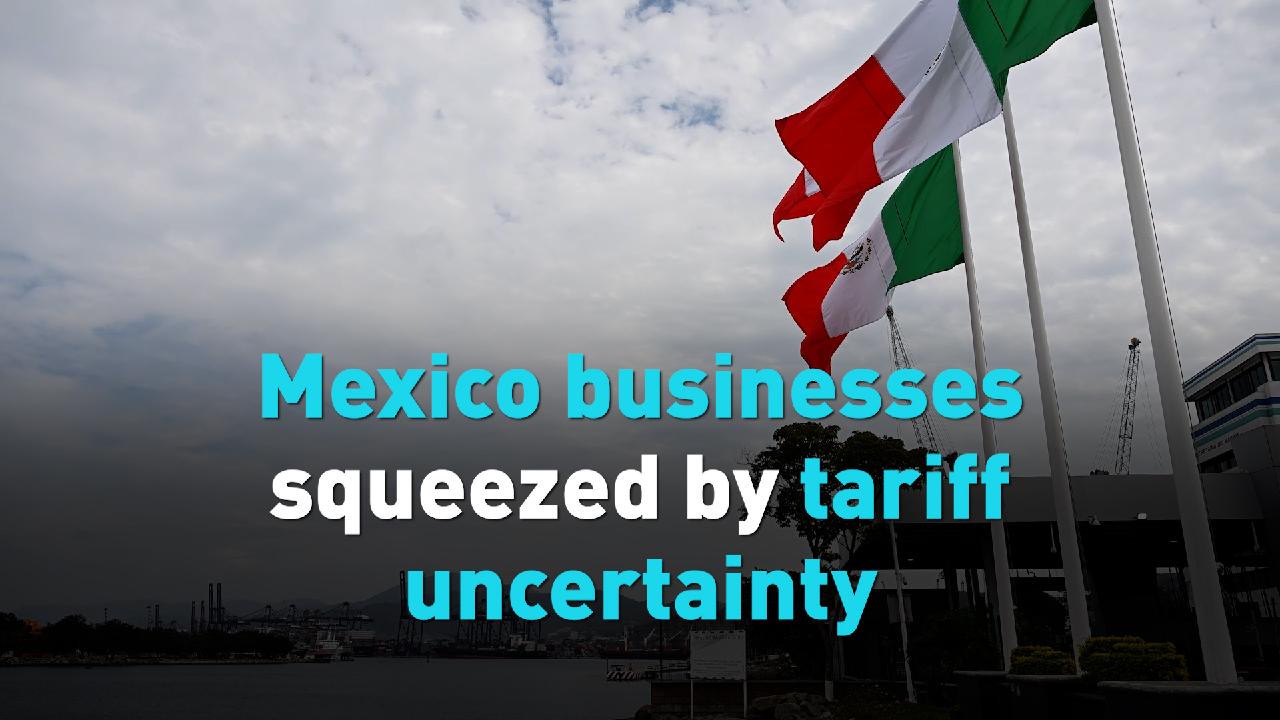
Mexican Businesses Face Rising Costs and Supply Chain Challenges Amid U.S. Trade Negotiations
U.S. tariff negotiations — Mexican businesses are currently navigating a turbulent economic landscape marked by rising costs and significant supply chain disruptions as trade negotiations with the United States remain in flux. Small manufacturers and wholesalers across the country are increasingly vocal about the challenges they face, particularly due to tariffs imposed on imports from countries that are not included in free trade agreements. These tariffs have caused a notable increase in prices for essential goods, especially textiles, which are crucial to Mexico’s export-driven economy.
The situation is further complicated by a series of shifting regulations that have left many within the business community feeling anxious about the future of trade policies. Recently, the U.S. government extended the deadline for a broader trade agreement with Mexico by an additional 90 days, offering a temporary reprieve. However, this extension has done little to alleviate the pervasive uncertainty that looms over the economic environment, as businesses are left grappling with the implications of potential changes in trade policy.
Particularly hard-hit are companies in the textile sector, which rely heavily on raw materials and components imported from countries that do not enjoy favorable trade terms with the U.S. The escalating tariffs have led to increased production costs, forcing many businesses to make difficult decisions. Some have opted to absorb these rising expenses, which can erode profit margins, while others have begun passing costs onto consumers. This strategy, however, carries the risk of diminishing sales as consumers may be deterred by higher prices.
Analysts emphasize that despite the temporary extension of negotiations, the pressure on Mexico to tighten its import restrictions remains a significant concern. This demand from the U.S. government complicates the already precarious situation for Mexican businesses, as it could lead to a further reduction in available goods and an increase in prices for consumers. The uncertainty surrounding these negotiations has created a challenging environment for businesses attempting to plan for the future, with many feeling caught in a cycle of unpredictability.
In this climate of uncertainty, small manufacturers express growing frustration, feeling squeezed between escalating costs and the looming threat of additional tariffs. They articulate a deep concern that without clear and stable trade policies, their ability to compete both domestically and internationally will be severely compromised. The ramifications of these trade tensions extend beyond mere economic factors; they have the potential to impact employment rates and overall economic growth in Mexico, a country where many industries are deeply interconnected with U.S. markets.
The intricate relationship between the two neighboring countries underscores the significant impact of U.S. trade policies on Mexico’s economy. As negotiations continue, Mexican businesses are left to navigate a complex web of tariffs and regulatory changes. This evolving dynamic necessitates adaptability and resilience, but many companies are feeling the strain of uncertainty. The outcome of these negotiations will not only determine the fate of individual businesses but could also shape the broader economic landscape of Mexico in the months and years to come.
As the situation develops, the voices of small manufacturers and wholesalers will be critical in shaping the discourse around trade policy in Mexico. Their experiences highlight the need for a balanced approach that considers the realities of global trade while fostering a stable economic environment that supports growth and job creation. The ongoing negotiations serve as a reminder of the delicate balance that must be struck in international trade relations, particularly for nations like Mexico that are closely tied to the economic fortunes of their larger neighbor to the north.