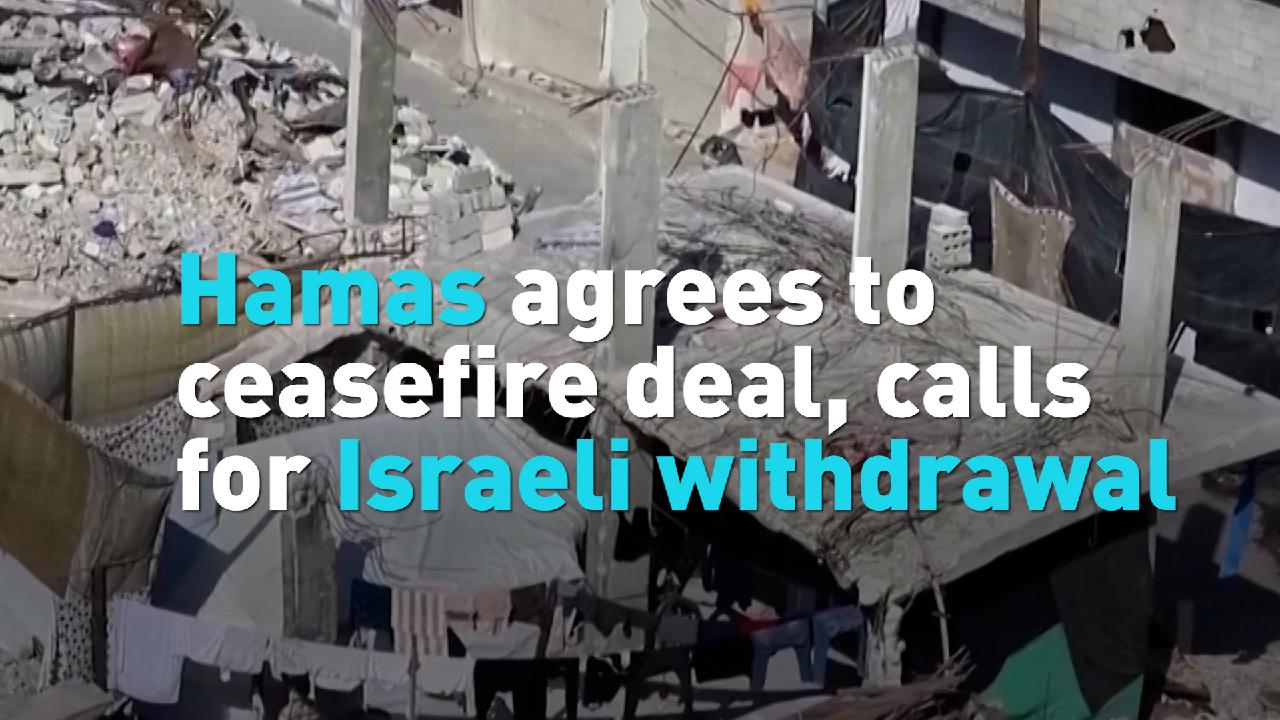
Ceasefire Agreement Between Hamas and Israel: A Fragile Step Towards Peace
Hamas ceasefire deal with Israel — In a notable shift in the ongoing Israeli-Palestinian conflict, Hamas has announced its agreement to a ceasefire deal with Israel, facilitated by U.S. President Donald Trump and his “Board of Peace.” This agreement, revealed on July 30, 2026, and later confirmed by Hamas, outlines a conditional disarmament of the militant group, contingent upon the withdrawal of Israeli forces from contested territories, including parts of the Gaza Strip and the West Bank.
The ceasefire marks a pivotal moment in a conflict that has persisted for decades, characterized by intermittent violence and entrenched animosities between the two sides. The terms of this agreement are particularly contentious, igniting skepticism among both Palestinian and Israeli communities. Many Palestinians express concern that disarming Hamas could expose them to renewed Israeli military actions without adequate protection. Meanwhile, Israelis question the sincerity of Hamas’s commitment to peace, given the group’s history of armed resistance and its charter, which has historically opposed the existence of Israel.
Responses from Palestinian factions have been mixed. Some view the ceasefire as a potential pathway toward greater autonomy and stability, interpreting it as an opportunity to negotiate further concessions from Israel. Others, however, argue that disarming Hamas could undermine their defense capabilities, leaving them vulnerable to future aggression. This internal division reflects the broader complexities of Palestinian politics, where various factions hold differing views on resistance and negotiation with Israel.
On the Israeli side, there is a palpable wariness regarding the reliability of Hamas as a negotiating partner. Many Israelis remain skeptical about the potential for genuine peace, citing past violations of ceasefires and ongoing rocket attacks from Gaza. This skepticism is compounded by the fact that Hamas, designated a terrorist organization by Israel and several other countries, has consistently maintained a militant stance against Israeli sovereignty.
The timing of this ceasefire initiative is particularly critical, occurring amid heightened regional tensions and a backdrop of fluctuating geopolitical alliances. The involvement of President Trump, known for his controversial approach to Middle Eastern diplomacy, adds another layer of complexity to the situation. His administration’s previous actions, including the recognition of Jerusalem as Israel’s capital, have been met with significant backlash from Palestinians and have complicated U.S. credibility as a mediator in the region.
The success of this ceasefire agreement will largely depend on the political will of both parties to adhere to its terms. Observers note that the fragile nature of this deal could either pave the way for a more stable regional environment or exacerbate existing tensions if it collapses. The international community is closely watching these developments, acutely aware that the stakes are high; a breakdown in negotiations could lead to renewed violence and instability not only in Israel and Palestine but across the broader Middle East.
As both sides prepare to assess the implications of this agreement, the coming days will be critical. The potential for a lasting peace hinges on the ability of both Hamas and Israel to navigate their respective internal pressures and external expectations. The road ahead remains fraught with challenges, but this ceasefire could represent a significant, albeit precarious, step toward a resolution of one of the world’s most enduring conflicts.