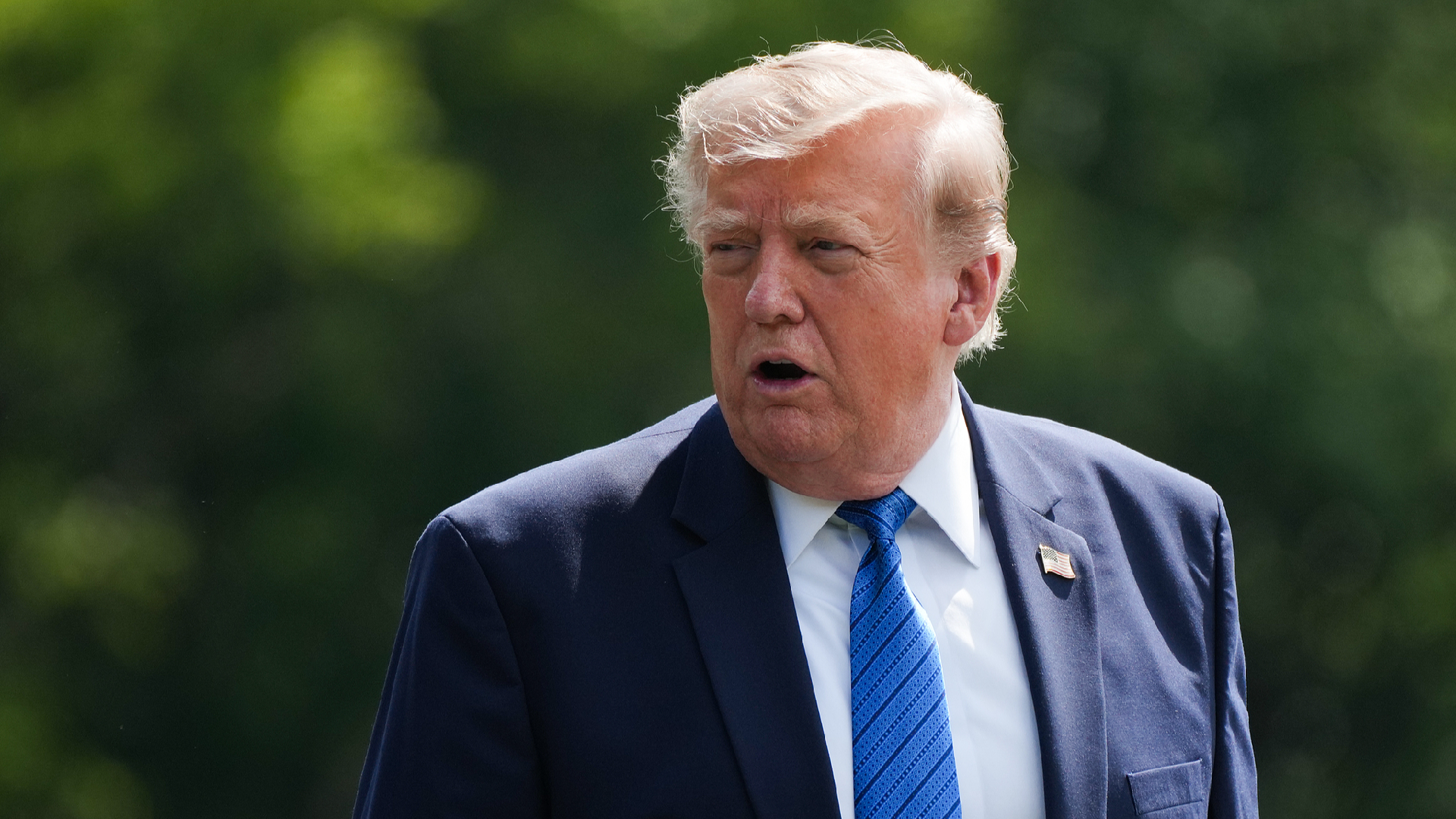
Trump’s Military Threats Against Iran and Israel’s Role
Trump threatens Iran heavy strikes — US President Donald Trump has significantly escalated his rhetoric against Iran, declaring on August 1, 2026, that he intends to launch a renewed military campaign targeting the nation with heavy strikes. This announcement coincides with reports indicating that the United States and Israel are preparing for coordinated attacks on Iranian energy infrastructure, with operations potentially commencing as soon as the upcoming weekend. This development marks a notable escalation in the ongoing conflict that has persisted since February 28, when military hostilities began between the US-Israel alliance and Iran, characterized by a series of retaliatory strikes from both sides.
During a cabinet meeting held at Camp David, Trump expressed his belief that sustained military pressure would compel Iran to concede. “We’ll be hitting him very hard and, you know, at some point they’re going to say, ‘We just can’t take it anymore,'” he stated, reflecting his administration’s long-standing approach to Iran, which has included threats of military action against Iranian interests. The comments highlight a strategic shift, as the US appears ready to intensify its military efforts against Iran’s critical infrastructure.
According to sources reported by The Wall Street Journal, Trump has authorized a fresh wave of strikes aimed at compelling Tehran to surrender. These attacks are expected to focus on key energy facilities, including oil refineries and power plants, which are essential to Iran’s economy and its ability to sustain military operations. CBS News further elaborated on the timeline for these potential strikes, suggesting that planning is in its final stages, with a sense of urgency surrounding the operations. The coordination between the US and Israel is particularly noteworthy, as it would mark Israel’s first active participation in military operations against Iran since the conflict began.
The recent visit of Israeli Prime Minister Benjamin Netanyahu to Washington, where he met with Trump and Defense Secretary Pete Hegseth, has likely played a crucial role in facilitating this joint military strategy. While some aides within the White House have expressed concerns regarding the potential repercussions of such an aggressive military approach, the collaboration between the two nations appears to be solidifying, indicating a unified front against Iran.
Trump’s threats to target Iran’s vital infrastructure underscore a broader strategy aimed at crippling the nation’s military capabilities and deterring further provocations in the strategically significant Strait of Hormuz. This waterway serves as a critical passage for a substantial portion of the world’s oil shipments, making any military actions in the area potentially disruptive to global energy markets. Trump has previously vowed to retaliate decisively against Iranian actions in the Strait, reinforcing the seriousness of his threats.
As the situation evolves, the international community is closely monitoring these developments, recognizing that an escalation of military action could further destabilize an already volatile Middle East region. The potential for rapid developments looms large, with both the United States and Israel finalizing their military plans in the face of Iranian resistance. The implications of these actions are profound, not only for US-Iran relations but also for regional stability and the broader geopolitical landscape.