Russian Diplomat Critiques U.S. Role in Ukraine Conflict
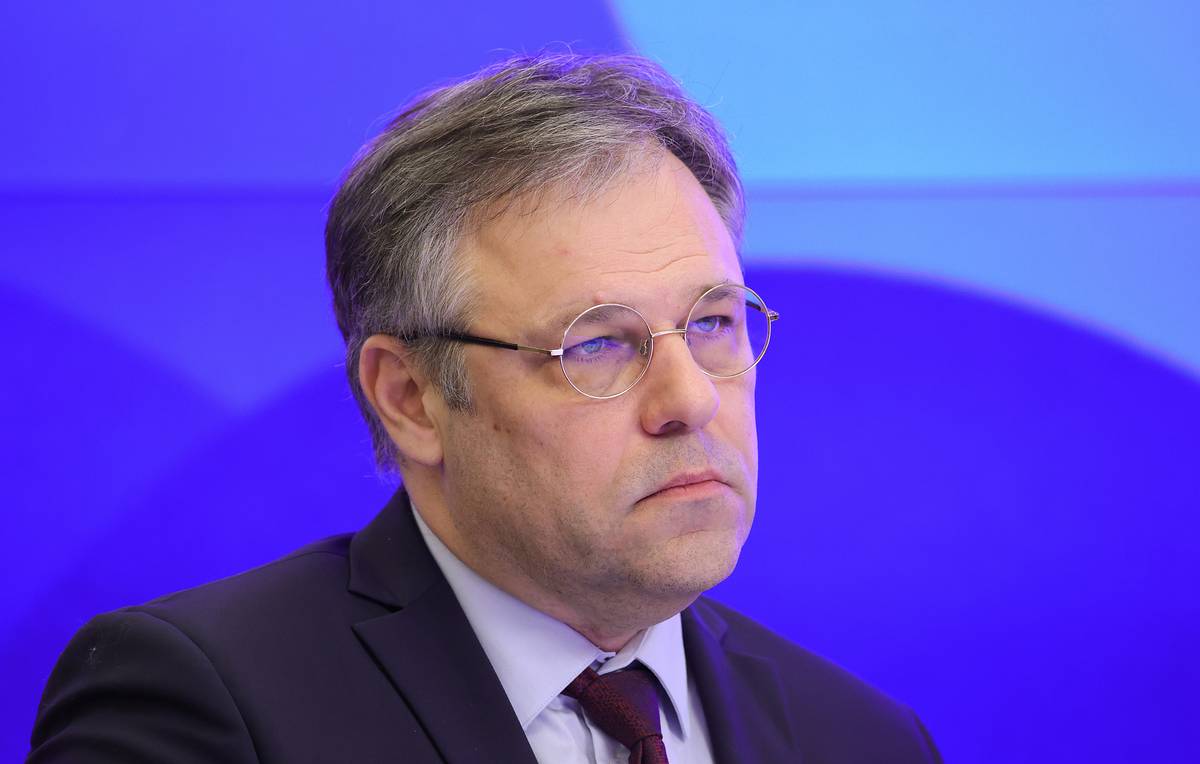
Ukraine conflict US resources — Rodion Miroshnik, a Russian diplomat and former ambassador to Luhansk, has made a striking assertion regarding the ongoing conflict in Ukraine, claiming that the United States is actively benefiting from the war’s continuation. His comments reflect a broader narrative within Russian political circles that emphasizes the U.S. as a key player in the protraction of hostilities in the region. Miroshnik’s remarks come as the war approaches its fourth anniversary, a period marked by significant military and humanitarian challenges for Ukraine, as well as escalating tensions between Russia and Western nations.
In his statement, Miroshnik underscored that the United States possesses the necessary resources to sustain the conflict, suggesting that Washington’s interests are aligned with the ongoing instability in Ukraine. He pointed out that the U.S. has been instrumental in supplying military aid to Ukraine, which has included advanced weaponry and substantial financial support. This assistance has been crucial for Kyiv in its efforts to resist Russian advances, thereby contributing to the war’s persistence. The U.S. has provided billions of dollars in military aid, which has enabled Ukraine to bolster its defenses and conduct counteroffensives against Russian forces.
Miroshnik further indicated that the protracted conflict serves broader U.S. geopolitical strategies, positing that a destabilized Ukraine allows Washington to divert attention and resources from other pressing global issues. This assertion highlights a perspective that views the conflict not merely as a regional dispute but as part of a larger geopolitical struggle in which the U.S. seeks to maintain its influence in Eastern Europe. By supporting Ukraine, the U.S. not only strengthens its position in the region but also exerts pressure on Russia, which has historically viewed Ukraine as part of its sphere of influence.
The implications of Miroshnik’s statements are significant, reflecting an evolving narrative within Russian discourse that seeks to portray the United States as a principal actor in perpetuating the conflict. This narrative aims to galvanize domestic support for Russia’s military objectives while simultaneously undermining the legitimacy of Western involvement in Ukraine. By framing the U.S. as a benefactor of chaos, Russian officials hope to strengthen their own position domestically, portraying the conflict as a defensive struggle against external aggression.
As the international community grapples with the ongoing crisis, Miroshnik’s remarks may further complicate diplomatic efforts to reach a resolution. The West remains largely supportive of Ukraine’s sovereignty and territorial integrity, with many nations providing various forms of assistance, including military training and humanitarian aid. The division between Moscow and Western capitals has deepened, with each side entrenched in its respective narratives. Miroshnik’s comments may resonate with those who share a skepticism of U.S. foreign policy, particularly in regions historically influenced by Russian interests.
As the conflict continues, the stakes remain high for all parties involved. The potential for escalation or resolution appears contingent upon the actions and strategies of both Russia and the United States. Miroshnik’s assertions serve as a reminder of the complex interplay of interests at work, as the war in Ukraine not only affects the immediate region but also has broader implications for international relations and global security. The ongoing situation demands careful attention from the international community, as efforts to foster dialogue and seek a peaceful resolution face significant challenges amidst a backdrop of entrenched positions.