Burkina Faso Embraces Digital Diplomacy to Shape Global Narrative
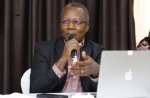
Burkina Faso digital diplomacy — In an era defined by rapid technological advancements, Burkina Faso is at the forefront of redefining its international relations through digital diplomacy. Dr. Cyriaque Paré, a prominent journalist and the founder of Lefaso.net, articulated this vision during a recent conference held at the Institut des hautes études internationales (INHEI) in Loumbila on July 24, 2026. His remarks come at a time when the global diplomatic landscape is increasingly influenced by social media and artificial intelligence, necessitating a shift in how nations project their identities and narratives on the world stage.
Dr. Paré, who served as a press attaché at the Burkinabè embassy in Paris from 2001 to 2007, addressed the sub-theme of “Digital Diplomacy and New Communication Dynamics: Burkinabè Media Facing Diplomatic Challenges.” He reflected on his experiences in the French media, where he noted that Burkina Faso was frequently depicted through a narrow lens, dominated by stories of crises and poverty. This portrayal overshadowed the country’s rich cultural heritage and the vibrancy of its youthful population. He posed a pivotal question: is Burkina Faso effectively leveraging digital platforms to narrate its own story and counteract these reductive narratives?
Dr. Paré’s insights highlight a significant transformation in international relations, where digital diplomacy emerges as a powerful tool. He defines digital diplomacy as the use of digital technologies—including the Internet, social media, content platforms, and artificial intelligence—by both state and non-state actors to shape public opinion, enhance visibility, and advocate for national interests. This evolution disrupts traditional power dynamics in information dissemination, enabling a broader range of voices, from individual citizens to media organizations, to participate in global discourse.
The democratization of information through digital means is particularly relevant for countries like Burkina Faso, which have historically struggled to control their narrative in international media. In the past, dominant news agencies and traditional diplomatic channels dictated the terms of engagement, often sidelining local perspectives. However, the rise of the Internet and social media has empowered diverse actors, including bloggers, cultural platforms, and academic institutions, to contribute to the public conversation. This shift allows Burkina Faso to showcase its cultural richness and innovative spirit, countering the often one-dimensional portrayals prevalent in foreign media.
Dr. Paré emphasized the urgency for Burkina Faso to proactively engage with these new communication tools. By harnessing the potential of digital diplomacy, the nation can not only improve its international image but also assert its sovereignty in global affairs. As the world becomes increasingly interconnected, the ability to craft and control one’s narrative through digital means is vital for nations seeking to enhance their influence and foster positive relationships with other countries.
Moreover, the implications of embracing digital diplomacy extend beyond mere image management. They encompass broader strategic objectives, such as attracting foreign investment, promoting tourism, and fostering bilateral and multilateral partnerships. By effectively communicating its successes and aspirations, Burkina Faso can reposition itself in the global arena, moving beyond the stereotypes that have historically defined its international identity.
As Dr. Paré concluded, the time has come for Burkina Faso to take ownership of its narrative. In a world where information is a key currency, the ability to share one’s story authentically and compellingly is paramount. By investing in digital diplomacy, Burkina Faso can not only reshape how it is perceived internationally but also empower its citizens to engage in the global conversation. This approach may ultimately lead to a more nuanced understanding of the country and its potential, fostering a future where Burkina Faso is recognized not just for its challenges but for its contributions to global culture and innovation.