Israel Insists on Disarmament as Precondition for Gaza Withdrawal
Israel Hamas disarmament agreement — In a significant declaration, Israeli officials have asserted that the Israel Defense Forces (IDF) will remain stationed in the Gaza Strip until the Palestinian militant group Hamas commits to what they term a “genuine disarmament.” This statement, made on July 31, underscores Israel’s firm position in the ongoing negotiations aimed at achieving peace in the region.
The Israeli official highlighted that no withdrawal from the current military demarcation line, known as the Yellow Line, will occur unless Hamas undertakes substantial disarmament measures. This announcement comes in the wake of Hamas confirming its acceptance of a proposed agreement mediated by international parties, including the United States, which was recently announced by President Donald Trump. The complexities of the Israeli-Palestinian conflict are deeply rooted in historical grievances, making such negotiations particularly sensitive.
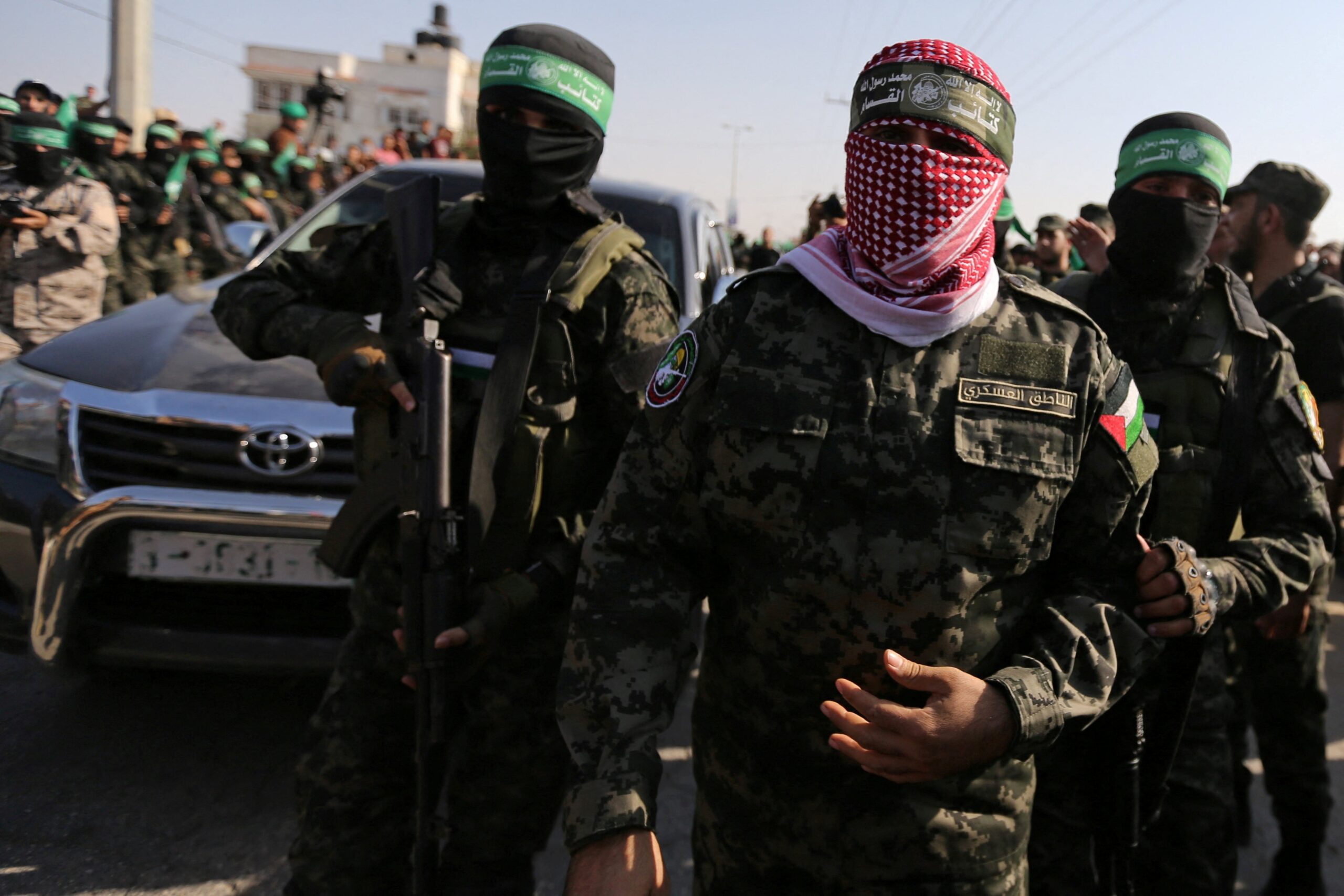
Hamas negotiator Ghazi Hamad conveyed the group’s readiness to transfer its weapons to the newly established National Committee for Gaza Administration (NCAG), an entity designed to govern the territory following years of conflict. However, this transfer of arms is contingent upon Israel’s commitment to withdraw its troops from Gaza. Hamad emphasized that these concessions are made with the welfare of the Gazan population in mind, aiming to alleviate further suffering amidst ongoing violence.
Despite this willingness to disarm, Hamas has made it clear that it expects mediators to ensure Israel fulfills its obligations under the proposed agreement. The group’s spokesperson, Abu Ubaida, reiterated the necessity of mutual compliance for the peace process to progress effectively. This mutual expectation reflects the historical mistrust between the two parties, which has often hindered the peace process in the past.
President Trump characterized the agreement as a “historic deal” on his social media platform, calling it a monumental step towards lasting peace and security in the region. The newly formed Peace Council, tasked with overseeing the implementation of the agreement and the reconstruction of Gaza, also confirmed that Hamas accepted a detailed roadmap for subsequent phases of the ceasefire. This roadmap is crucial, as it outlines the steps necessary to transition from a state of conflict to one of governance and stability.
According to Trump, following the disarmament of Hamas, Israeli forces would withdraw, and an International Stabilization Force would work in conjunction with a new Palestinian police force to take control of Gaza. This plan is part of a broader initiative that received Israel’s authorization just days prior, indicating a coordinated effort among international stakeholders to address the long-standing conflict.
The current situation underscores the complexities surrounding the Israeli-Palestinian conflict, particularly concerning security and governance in Gaza. The effectiveness of the agreement hinges largely on the commitment of both parties to adhere to their respective roles. Given the historical tensions and the deep-seated animosities that have characterized the region, achieving lasting peace remains a challenging prospect.
As the negotiations continue, the international community watches closely, aware that the success or failure of this agreement could have profound implications for the future of both Gaza and the broader region. The stakes are high, and the path forward requires not only political will but also a genuine commitment to peace from all involved parties.