Strengthening Economic Ties: Iran and Armenia’s Strategic Partnership
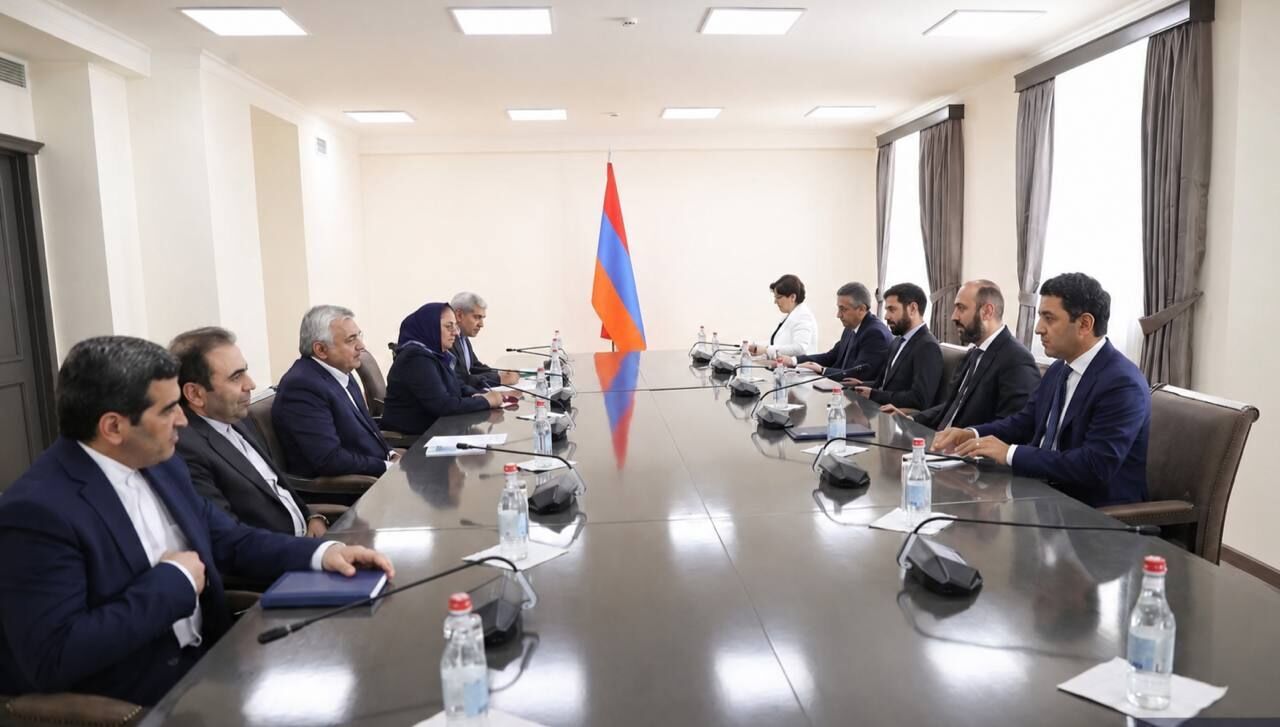
Iran Armenia joint projects — Iran and Armenia are actively working to enhance their economic cooperation, with both nations’ officials pledging to expedite a series of joint projects that could significantly bolster their bilateral relations. This commitment was expressed during a recent meeting in Tehran between Hamid Ghanbari, Iran’s Deputy Foreign Minister for Economic Diplomacy, and Ararat Mirzoyan, Armenia’s Minister of Foreign Affairs. Their discussions underscored a mutual interest in fostering economic ties that have gained importance in the wake of regional geopolitical shifts.
The focus of the talks revolved around various initiatives that aim to deepen collaboration in key sectors such as energy, transportation, and trade. Ghanbari emphasized the untapped potential for cooperation between the two nations, suggesting that collaborative efforts could yield substantial economic benefits. This is particularly relevant given Armenia’s strategic location, which serves as a bridge between Iran and Azerbaijan, a factor that has become increasingly significant amid the ongoing tensions in the South Caucasus.
Since the 2026 Nagorno-Karabakh conflict, Armenia has sought to diversify its economic relationships to reduce reliance on any single partner, making Iran a vital ally in this regard. The two countries share a border and have historically maintained a cooperative relationship, but recent geopolitical developments have necessitated a more robust partnership. Mirzoyan highlighted the urgency of accelerating joint projects, arguing that swift implementation could lead to immediate and tangible benefits for both nations, thereby reinforcing their economic stability.
Among the specific infrastructure initiatives discussed were the construction of new roads and energy pipelines, which are essential for enhancing connectivity and facilitating trade between the two countries. Such projects not only promise to improve the economic landscape but also aim to solidify Armenia’s position as a key transit route for Iranian goods destined for other markets, particularly in Europe and Asia. This strategic alignment could play a crucial role in reshaping economic interactions in the region, especially as both nations navigate the complexities of their respective geopolitical environments.
This renewed focus on collaboration aligns with broader regional dynamics, as Iran seeks to bolster its influence in the Caucasus amid a shifting power landscape. The Iranian government has been keen on expanding its economic footprint in neighboring countries, particularly those that may provide a counterbalance to Azerbaijan’s growing ties with Turkey and Israel. For Armenia, the partnership with Iran presents an opportunity to secure a reliable ally that can help mitigate the economic pressures arising from its contentious relationship with Azerbaijan.
As both countries move forward with their commitment to accelerate joint projects, the implications extend beyond mere economic cooperation. The partnership could serve as a model for other nations in the region, illustrating the potential for collaboration amid complex geopolitical realities. By focusing on mutual benefits and shared interests, Iran and Armenia aim to create a framework that not only enhances their economic ties but also contributes to regional stability.
In conclusion, the recent meeting between Ghanbari and Mirzoyan marks a significant step towards strengthening the economic partnership between Iran and Armenia. As they work to implement their plans, the outcomes of these joint initiatives will be closely watched, not only for their immediate economic impact but also for the broader geopolitical implications they may hold for the South Caucasus region.