Tragedy Strikes Amid Migrant Surge
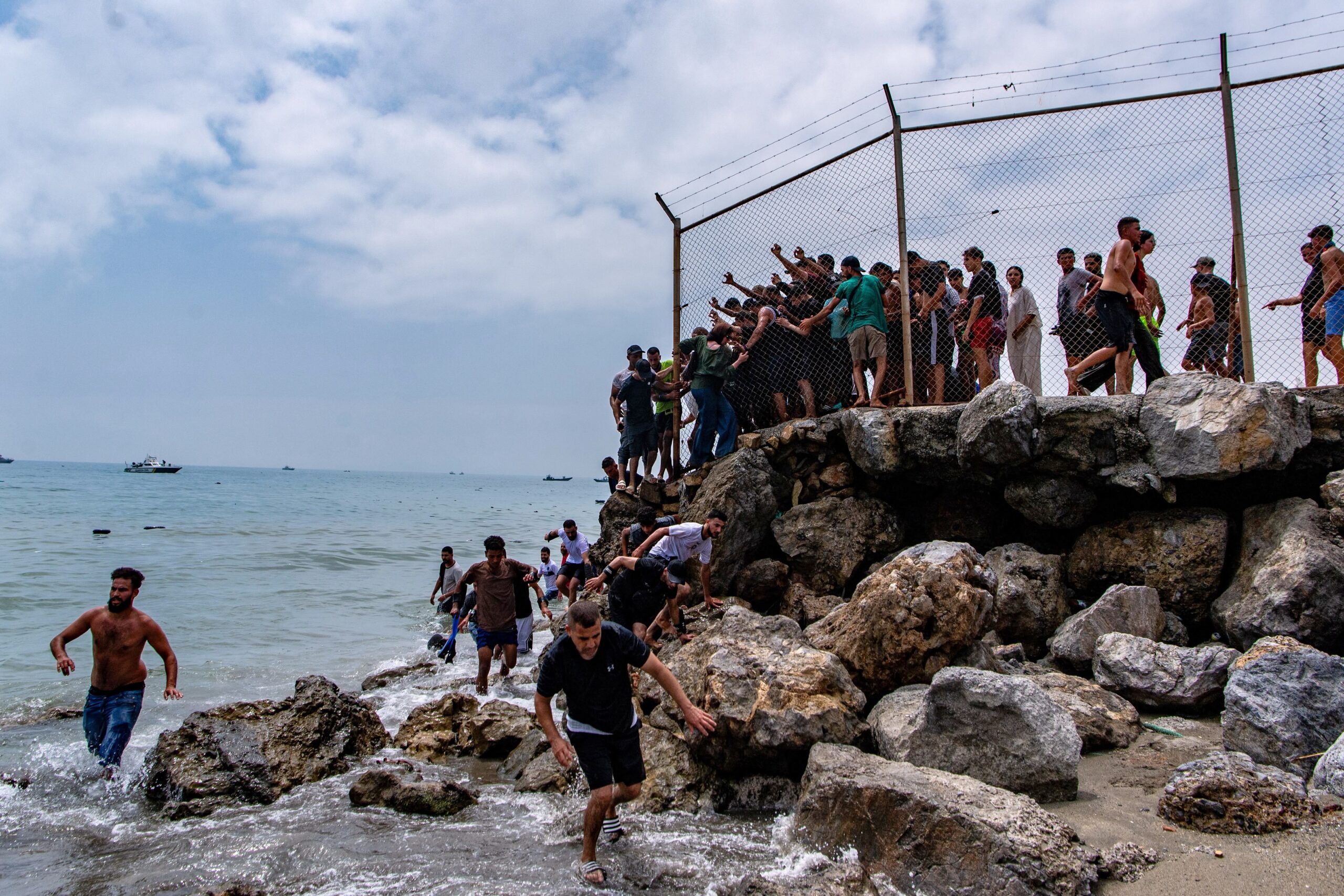
migration crisis Ceuta Morocco — On July 30, 2026, ten migrants tragically lost their lives while attempting to swim from Morocco to Ceuta, a Spanish autonomous city situated on the northern coast of Africa. This incident has highlighted the ongoing humanitarian crisis that has seen a significant surge in migration attempts, as thousands of young people seek a better life across the Mediterranean. The perilous crossing reflects both desperation and the dire socio-economic conditions in their home countries.
According to police sources cited by El País, the bodies of the deceased were recovered by security forces amid rising tensions at the border. The Spanish Civil Guard reported that approximately 4,000 individuals had made the hazardous journey across the Strait of Gibraltar in the days leading up to the tragedy. This influx has prompted the Spanish government to deploy army units to assist the Civil Guard in managing the overwhelming number of arrivals, indicating the scale of the crisis.
The situation has escalated in recent weeks, drawing parallels to a significant migration event in May 2026, when around 5,000 Moroccans crossed into Ceuta in a single day. This historical context underscores the recurring nature of the migration challenges faced by Spain and the broader European Union, as Ceuta and its counterpart Melilla serve as critical entry points for migrants attempting to reach Europe from Africa. The combination of poverty, political instability, and conflict in many African nations continues to drive individuals to risk their lives in pursuit of a better future.
Government Actions and International Reactions
In light of the unfolding crisis, Spanish Prime Minister Pedro Sánchez is scheduled to visit Ceuta on July 31, accompanied by Interior Minister Fernando Grande-Marlaska. This visit highlights the urgency of the situation and the government’s commitment to addressing the humanitarian needs of migrants while ensuring border security. The presence of high-ranking officials in Ceuta signals a recognition of the gravity of the circumstances, as local authorities struggle to cope with the influx.
The European Union has also indicated its willingness to enhance support for Spain. Reports suggest that the EU’s border agency, Frontex, may become involved to help manage the increasing flow of migrants. This potential collaboration reflects a broader European concern over migration management and the challenges that member states face in dealing with the complexities of border security and humanitarian obligations.
The crisis has not gone unnoticed by neighboring countries. Italian Prime Minister Giorgia Meloni recently announced that her government is considering the suspension of the free movement agreement with Spain as a response to the ongoing migration crisis. This statement illustrates the ripple effects of migration issues, as countries within the EU grapple with the implications of border control and the responsibilities of member states to accommodate those seeking asylum or a chance at a better life.
Ceuta’s geographical location, flanked by the Mediterranean Sea and in close proximity to Morocco, makes it a focal point for migration from Africa to Europe. The tragic deaths of the ten migrants serve as a stark reminder of the dangers associated with these crossings and the human cost of migration. As the situation unfolds, it remains to be seen how both national and international responses will evolve, particularly in light of the urgent humanitarian needs and the political implications for Spain and the EU as a whole.