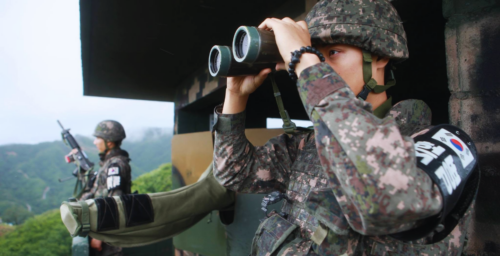
Inspection of Frontline Operations Reflects Heightened Security Concerns
South Korean army weapons review — The South Korean army has announced a comprehensive review of its frontline guard operations along the border with North Korea, a move prompted by alarming reports regarding the operational status of weaponry at border outposts. The Defense Ministry confirmed this initiative, emphasizing the crucial importance of maintaining military readiness amid escalating tensions with the North. The Korean Peninsula remains a focal point of geopolitical strife, with the Demilitarized Zone (DMZ) serving as a stark reminder of the division between the two nations since the Korean War.
This inspection will specifically involve the Republic of Korea (ROK) Army’s Ground Operations Command, which is responsible for defending the western front against potential North Korean incursions. The review comes on the heels of directives mandating the unloading of machine guns stationed at various guard posts, a decision that has raised significant concerns regarding the implications for security along the heavily fortified DMZ. Such actions may reflect a reassessment of the readiness and effectiveness of South Korea’s military assets in the face of an unpredictable adversary.
Military officials have indicated that the inspections will not only evaluate the status of the weapons but will also scrutinize the overall effectiveness of guard operations at these critical points along the border. The I Corps, which oversees the defense of this area, will spearhead the inspection efforts. This proactive approach aligns with South Korea’s ongoing commitment to ensure that its forces are prepared for any escalation of hostilities from the North, especially in light of North Korea’s recent military activities.
The decision to conduct this mass review is a significant response to North Korea’s unpredictable military posture, which has included a series of missile tests and aggressive rhetoric in recent months. Such provocations have kept both the South Korean government and its U.S. allies on high alert, as they recognize that any lapse in military readiness could embolden further provocations from the North. The South’s military strategy is heavily influenced by the need to deter North Korean aggression, and this review underscores the seriousness with which these threats are taken.
As tensions continue to simmer on the Korean Peninsula, the upcoming inspections highlight the delicate balance of power in the region. The outcome of these evaluations may have far-reaching implications, potentially influencing future military strategies and diplomatic approaches toward North Korea. International stakeholders are closely monitoring developments, aware that any changes in the status quo could have significant repercussions for regional stability.
The South Korean army’s initiative also reflects a broader trend of military preparedness in response to North Korea’s evolving capabilities. Analysts have noted that the North’s advancements in missile technology and nuclear capabilities pose a persistent threat that necessitates a vigilant and responsive military posture from the South. The inspections will likely serve as a critical assessment of whether the current military resources and strategies are adequate to counter these threats effectively.
In conclusion, the South Korean army’s decision to conduct a thorough review of its frontline operations is a clear indication of the heightened security concerns stemming from North Korea’s actions. This proactive measure not only aims to ensure the readiness of South Korean forces but also sends a message of resolve to both domestic and international audiences regarding the commitment to national defense in a volatile geopolitical landscape.